
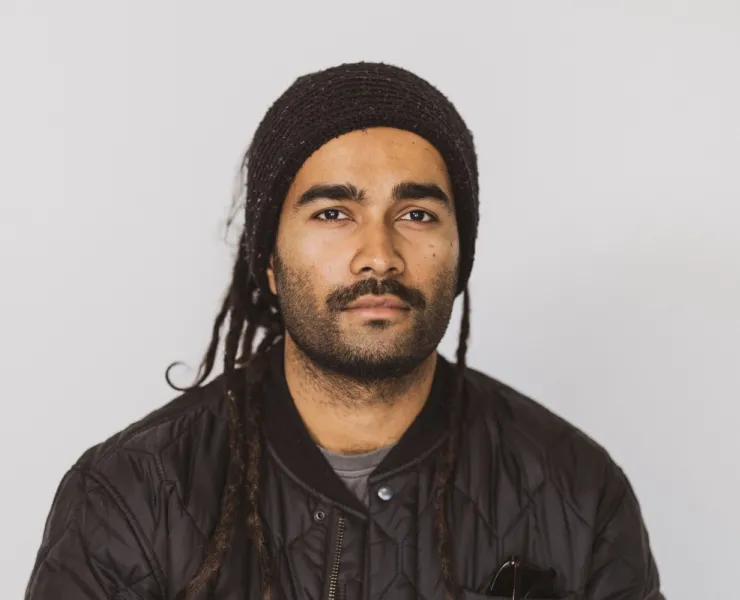
But despite the mainstream national attention that win gave him, Reuben is still working on finding the balance most artists struggle with – finding time to write, record and tour in between being a dad to three kids and doing occasional FIFO mine work to pay the mortgage.
I'll go to work [at the mines] and the boys will look at me going, ‘mate, what are you doing here?’
“You know what I mean? ‘We thought you'd be on private jets travelling the world’. But I go, ‘man, you can't stuff around with that’. You've got family, you know?”
Even if the win on The Voice and support from his mentor LeAnn Rimes didn’t instantly translate to fame and fortune, Reuben appreciates the validation it provided.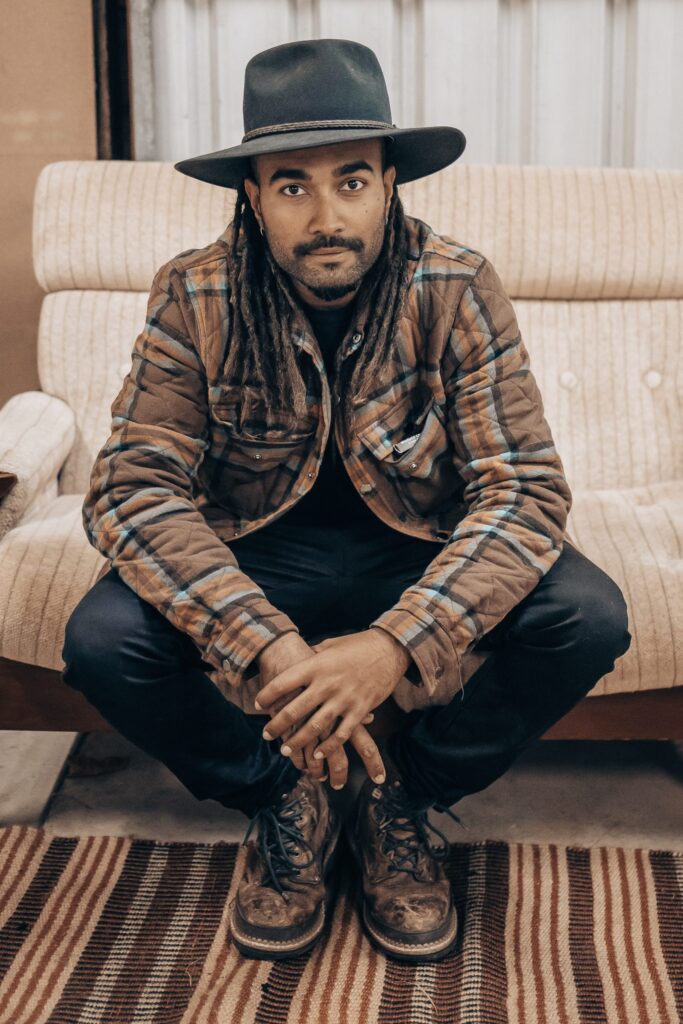
“I'm constantly reminded that this is what I was meant to do. Being on The Voice and having lots of people voting for me to be on there, the mining communities, everybody got me over the line and told me, ‘this is what you're called to do’.”
Reuben was born into a flourishing musical community in Goa, India, and trained as a child to the highest pre-professional level of violin, but music was not always his career plan. He completed an engineering degree, then studied to be a paramedic. It turned out to not be the career for him.
It was the early death of a close friend on the football field that pushed Reuben to start singing and performing in public, developing his own raw and soulful voice.
Reuben De Melo - Let's Work It Out (Live at Partografia Studios)
“All I knew to do was play the violin until I lost one of my mates, Hendo, playing footy. He died on the pitch at 21. His mum knew I could sing, so she asked me to sing at his wake. I pretty much picked up my guitar then and started singing because I wanted to write.
“Ever since then, it threw me into a songwriting journey because there were so many things that I'd gone through and felt. I picked up my dad's guitar, and I just went out on Freo and busked. I didn't care anymore, you know what I mean? I just played a few songs, threw a hat out, and then after about two or three months of busking, bought my first Cole Clark guitar.”
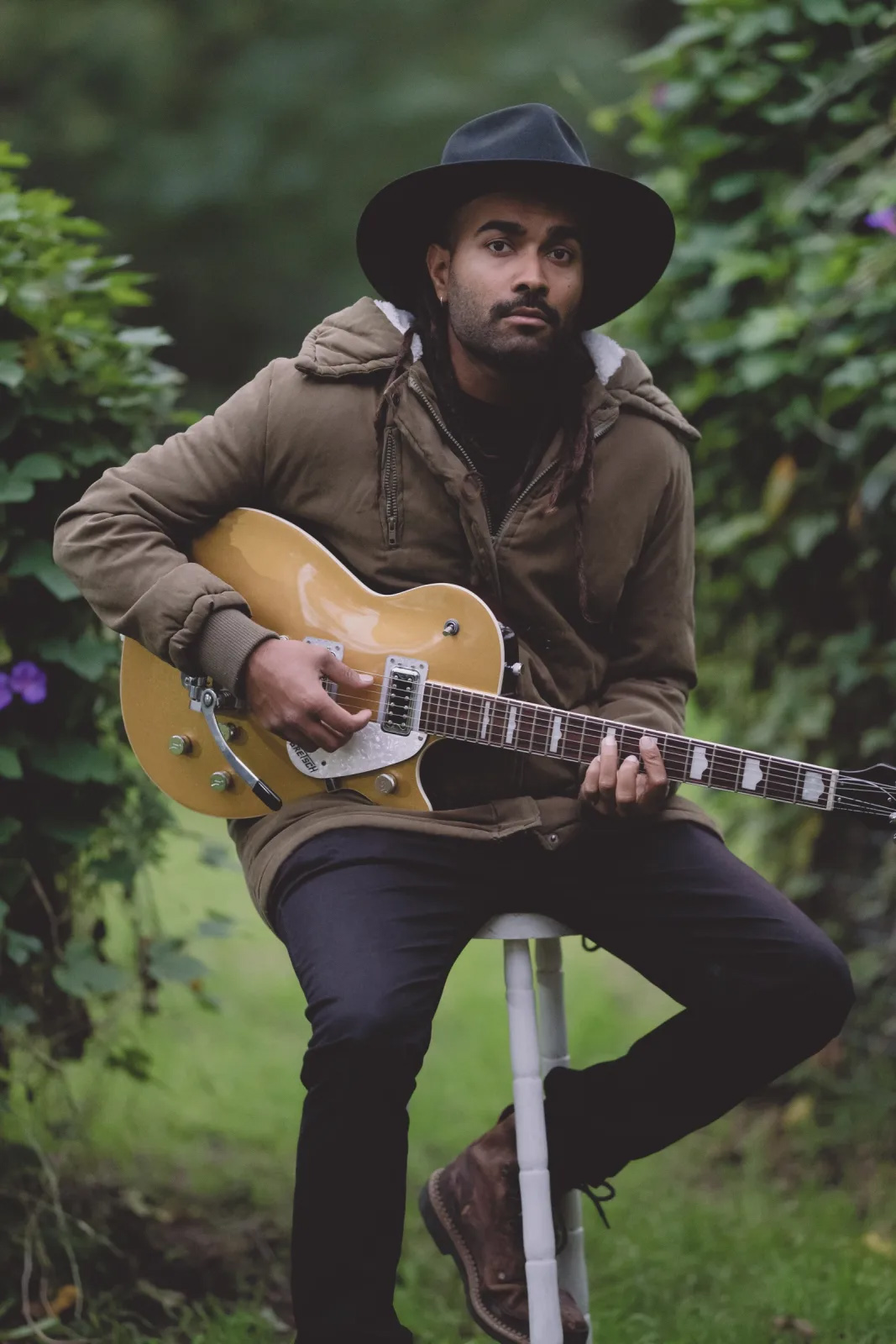
With his guitar on his back, Reuben then headed off for a stint travelling, where he honed his performing and songwriting skills.
“I travelled to Europe and a whole bunch of places. I had a backpack and a guitar. I plugged myself in at places and kind of developed this confidence. I'd be singing covers mostly, never singing my original songs. They were there. Every now and then, on a train ride somewhere, I’d just write, like when I'm not playing music or I'm sitting down, I'll be writing.
Now I've got at least three or four phones full of songs that I should have released. I just want to go through them and release.
Returning to Australia, Reuben got together with his now-wife, Olivia, who is also a musician and now manages him. They started a family and music went on the back burner while he made money in the mines to support his growing family – until Olivia “sneakily” signed him up for The Voice. He never expected to win.
“The other contestants [on The Voice], they had such amazing, beautiful, technically trained voices,” Reuben says. “I feel like they should have won that. Luckily, they gave me songs on the show that I really felt – I can't sing a song if I don't feel it lyrically. All the covers I would sing, like Fast Car or Believe by Cher, I’d sing them differently. There's so much soul in the songwriting of all these songs. That's the only time I can truly get into a song and feel what I'm singing, you know? And going with my gut, that's what I think got me to where I needed to go.”
Sweet Oblivion
Directly after winning The Voice, Reuben and Olivia took advantage of the momentum and booked a 17-date national tour, followed by another tour with fellow The Voice winner Lachie Gill. Reuben then toured to India for IFFI (the International Film Festival of India) with support from the Western Australian Government, and “went from Kochi to New Delhi to Mumbai to Goa, just collaborating with classical artists in their field.”
Reuben and the family also went back to India earlier this year with support from Music Australia’s Export Development Fund, where they filmed his first music clip in Goa (set for release soon) and made more local connections.
I am from India. I'm from Goa, and we’re also part Portuguese. But I never really saw outside Goa. So the last two trips to India allowed me get savvy with parts of India that were into folky singer-songwriter styles.
“I thought it was completely Bollywood, but there were these little niche places that were predominantly singer-songwriter, like people would actually write songs in language. I got to sit down with these groups and they explained these songs to me.
“Bebdo” by Lorna (Goan Konkani song)
They also connected with non-profit New Delhi music education organisation Manzil Mystics.
“They focus on kids development, learning songwriting, learning to express themselves, putting tools like Logic and Pro Tools in community to help kids write their own songs. We did a bit of community outreach with younger kids. We all sat down in a circle. Our kids were there as well, and they all showed us their songs, and what they've been working on. We're hoping to cultivate that.”
For Reuben, it’s all about building connections and bridges across the world to foster understanding, and telling the stories of people who don’t have the platform or confidence to sing or tell their stories.
“I've done mining for the last eight years, and lost [colleagues to] suicide, and it's been exposing me to a whole different world of mental health and songs that haven't been sung yet. I want to roll with that and release more original music, more stories of others, the stories that people don't get to share. I want to partner with mates in construction for like a ‘mental health in the mines’ thing. But to do all of that stuff, it takes time and money. Time is the most important thing that I'm lacking right now.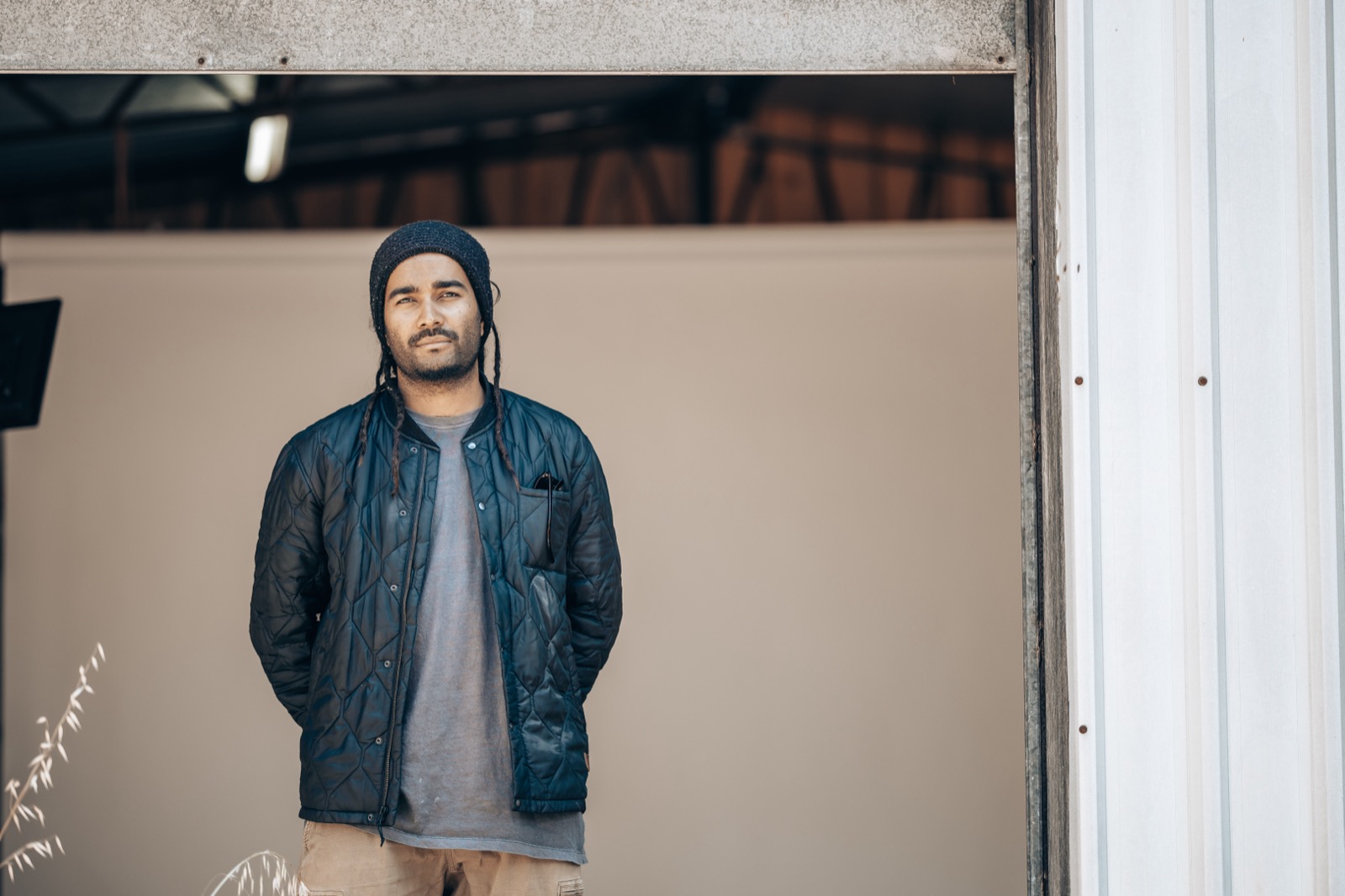
“We went to India, we've done IFFI, we've collaborated with so many people, did SXSW Sydney, did The Seed Fund [a mentorship and workshops program] with John Butler. So we've gained a lot of information, made a lot of connections, and have some ammunition in our pocket. I'm starting to sell out shows now, and people are coming down, watching my gigs, but it all happened after The Voice.
“That's my whole process with this music journey. I want to leave behind a world, or facilitate a world, for my kids, which means they don't have to pick up arms and go to war. That is the last thing I want for my kids. I don't believe I could do that with a rifle or, like, an axe in my hand. I believe I can do it with music. I can at least try to plant the seeds.”
Reuben De Melo: Instagram | website | Spotify
Photos by Olivia De Melo
Story by Nick Jarvis

We acknowledge the many Traditional Custodians of Country throughout Australia and honour their Elders past and present.
We respect their deep enduring connection to their lands, waterways, and surrounding clan groups since time immemorial. We cherish the richness of First Nations peoples’ artistic and cultural expressions. We are privileged to gather on this Country and to share knowledge, culture and art, now and with future generations.
