
About the Program
The Australian World Heritage Residency is an artist-led residency program that places Australian artists in dialogue with Australian World Heritage listed sties. In 2026, we have awarded five (5) residencies for individual Australian artists or collectives to work on-site at a World Heritage site within Australia.
Each of the five (5) awarded recipients will receive a grant of $50,000, provided at the beginning of their residencies.
Residencies are self-directed and may vary in duration, up to a maximum of one (1) year. Each residency will culminate in a public reflection on their learnings, such as a seminar, workshop, or new creative work.
Read more about the opportunity: Australian World Heritage Residency | Creative Australia
2026 Recipients
Minister for the Arts, Tony Burke ,
“These residencies will bring fresh perspectives to the histories, stories, and cultural significance of some of Australia’s World Heritage sites creating new ways for people to experience, understand, and connect with them."
Minister for the Environment and Water, Murray Watt,
“Australia’s world heritage sites hold some of the most stunning natural beauty in the world. These residencies are a unique opportunity to reflect that through stories of people’s connection to Country.”
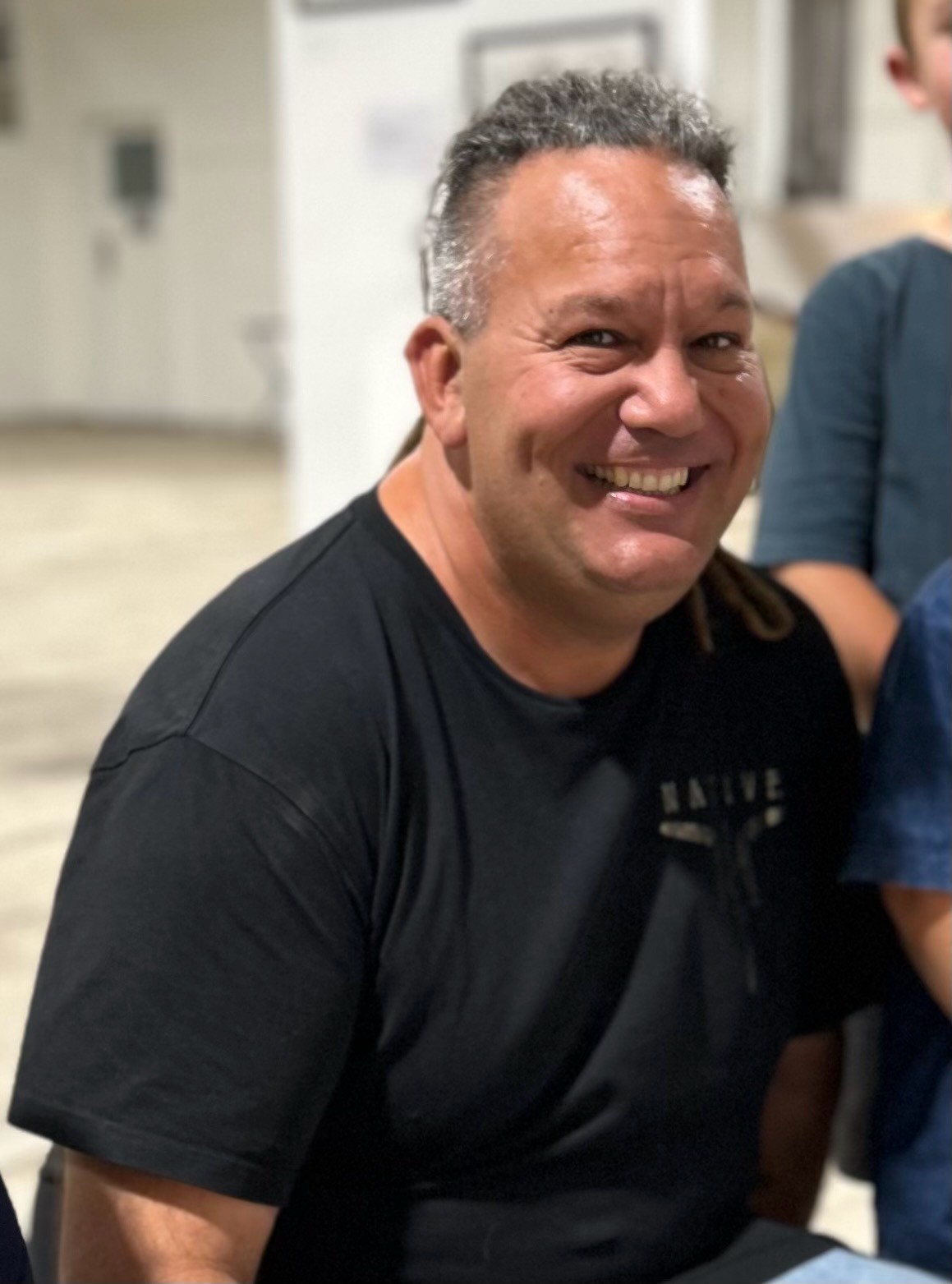
DAVID DOYLE (NSW) - Willandra Lakes Region (NSW)
David Doyle is a Barkindji/Malyangapa artist from Menindee, NSW, living on Wilykali Country in Broken Hill. Working across sculpture, painting, printmaking and writing, his practice is grounded in Country, intergenerational knowledge and cultural continuity. Doyle has exhibited nationally and internationally and received numerous awards for his work. His public and commissioned works include the Neville Bonner pavement sculpture at Old Parliament House, Canberra, and a commission for the Cambridge Museum of Anthropology and Archaeology. Through traditional and contemporary materials, his work explores relationships between Country, identity, cultural survival and ongoing Barkindji presence.
Residency:
This Barkindji-led project explores the first encounters between Barkindji people and European explorers in the Willandra Lakes Region. Through drawing, sculpture and research, it combines historical records with Barkindji cultural knowledge, oral histories and connections to Country to tell a more complete story of these events and present Willandra as a living cultural landscape with an ongoing connection to community and history.
Image courtesy of the artist.
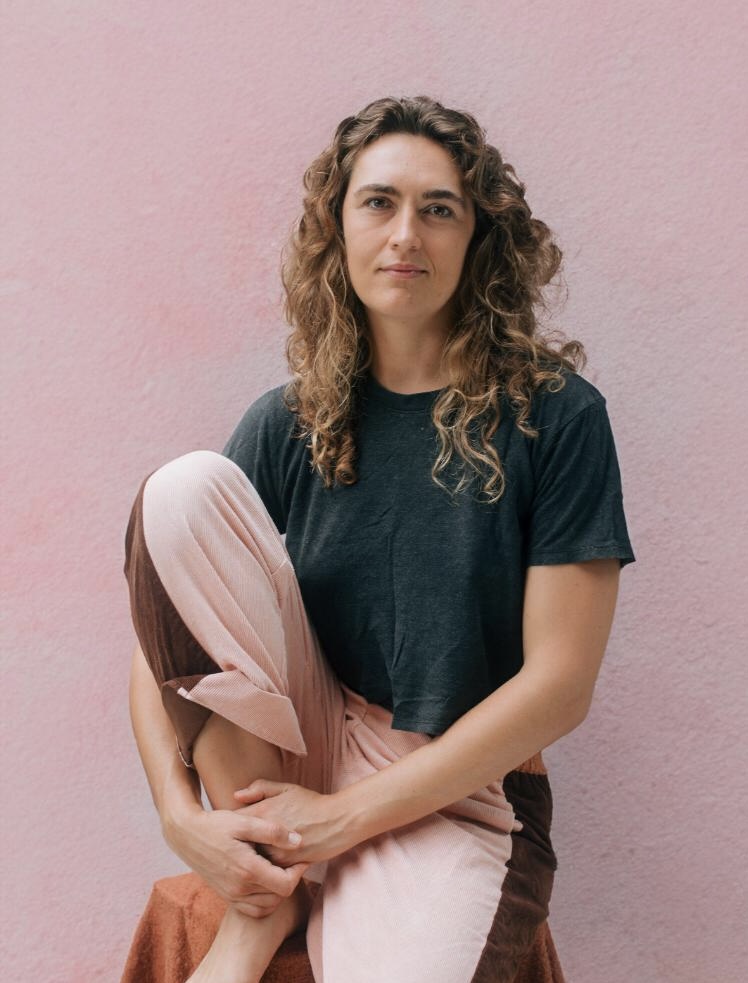
ELLEN FERRIER (NSW) - Greater Blue Mountains (NSW)
Ellen Ferrier is a sculpture and installation artist working at the intersection of biomaterial innovation, ecological response-ability, and vernacular making. Her practice is an embodied, place-based inquiry into material futures, driven by an urgency to reorient mindsets, behaviours and systems towards a radically regenerative, more-than-human world.
Materials discarded, obsolete and undervalued - from invasive plants and human hair, to agricultural and industrial waste streams - are transformed through a combination of pre-industrial processes and contemporary scientific experimentation, into material propositions that are locally responsive, climatically adaptive, and ecologically restorative.
Ferrier holds an MFA from Burren College of Art, Ireland, and a Bachelor of Interior Architecture from UNSW, Sydney. She was a finalist in the 2025 NSW Visual Arts Fellowship (Emerging), a recipient of the Ian Potter Emerging Artist Grant (2024), CreateNSW funding (2026) and the Windmill Trust Scholarship (2023). Recent exhibitions include the Tamworth Textile Triennial (2026), Artspace, Sydney (2025), Grafton Regional Gallery (2025), and Cementa Festival (2024).
Residency:
As part of the residency in the Greater Blue Mountains World Heritage Area, Ellen will work with local Bushcare groups to remove invasive weeds and transform the plant material into natural dyes, pigments, fibres and other materials for artworks and a living material archive. Where appropriate, and guided by Dharug and Gundungurra Traditional Owners, the project will also explore the use of native plants to include in the archive. The residency will result in a new exhibition, a material library, public workshops and an artist publication.
Image credit: Kristen Augeard
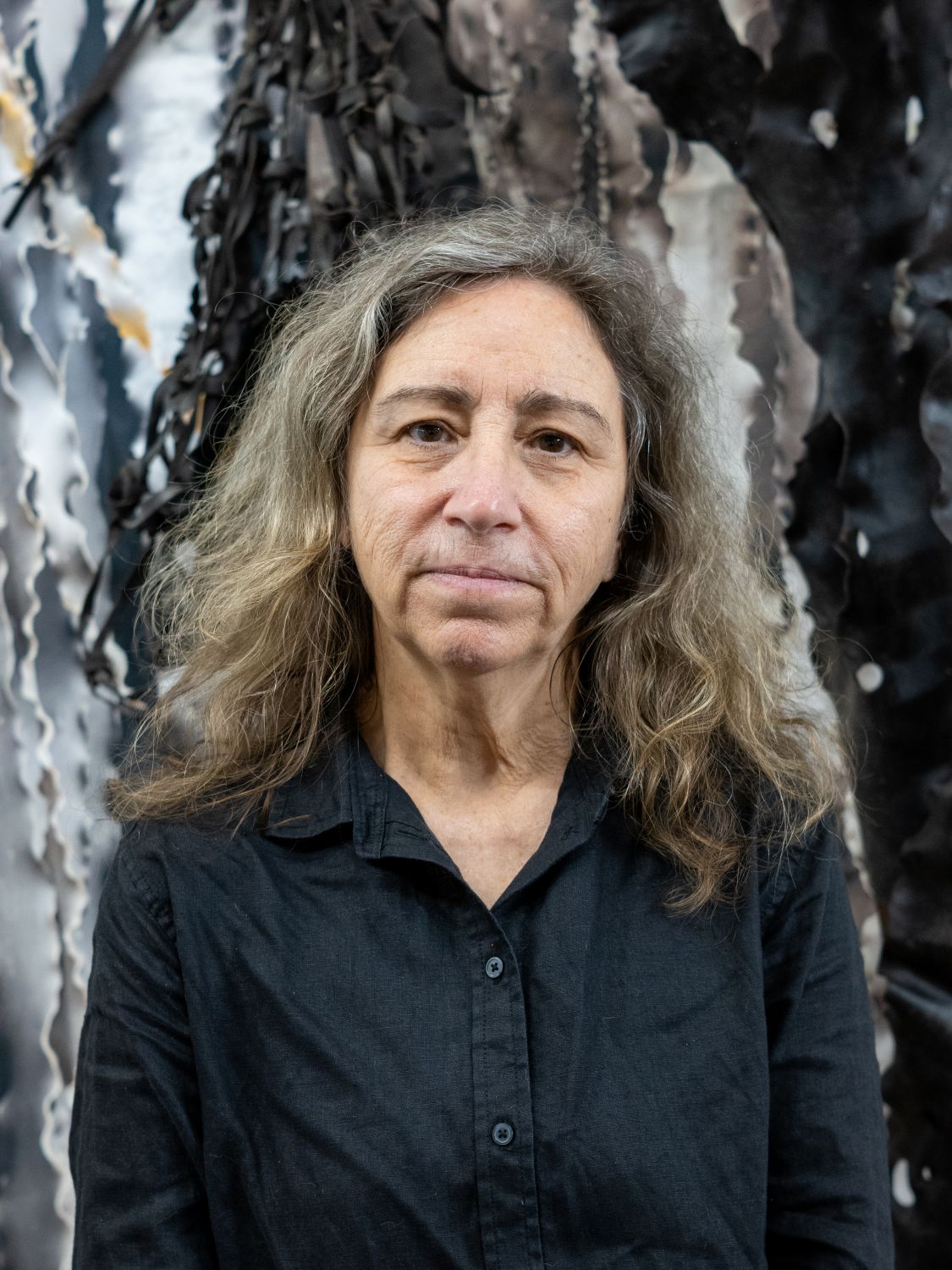
MANDY QUADRIO (QLD) - Lake St Clair-Cradle Mountain, Tasmanian Wilderness (TAS)
Mandy Quadrio is a Trawlwoolway and Laremairremener, Tasmanian Aboriginal artist based in Meanjin/Brisbane. Her practice spans sculpture, photography and video where she uses material realities to extend the debate about the impact of colonisation on Australia’s First Nations peoples, and to foreground the enduring cultural continuum of Aboriginal Tasmanian people.
In 2021 Mandy was awarded her Doctorate in Visual Art from Griffith University, Brisbane. Her work has been exhibited widely around Australia and was permanently acquired by the Queen Victoria Museum and Art Gallery in Tasmania. She has also shown internationally in Italy and Sweden. Mandy currently lectures in the Contemporary Australian Indigenous Art program at Queensland College of Art and Design, Brisbane.
Residency:
Mandy Quadrio’s project, trulenner, will investigate cultural and lineage connections across specific Aboriginal Nations in Lutruwita/Tasmania. Moving through different seasons, the residency will use photography and site recordings to explore historic journeys, Aboriginal migrations, and under-examined relationships between communities.
Image credit: @_exhibitbee.jpeg
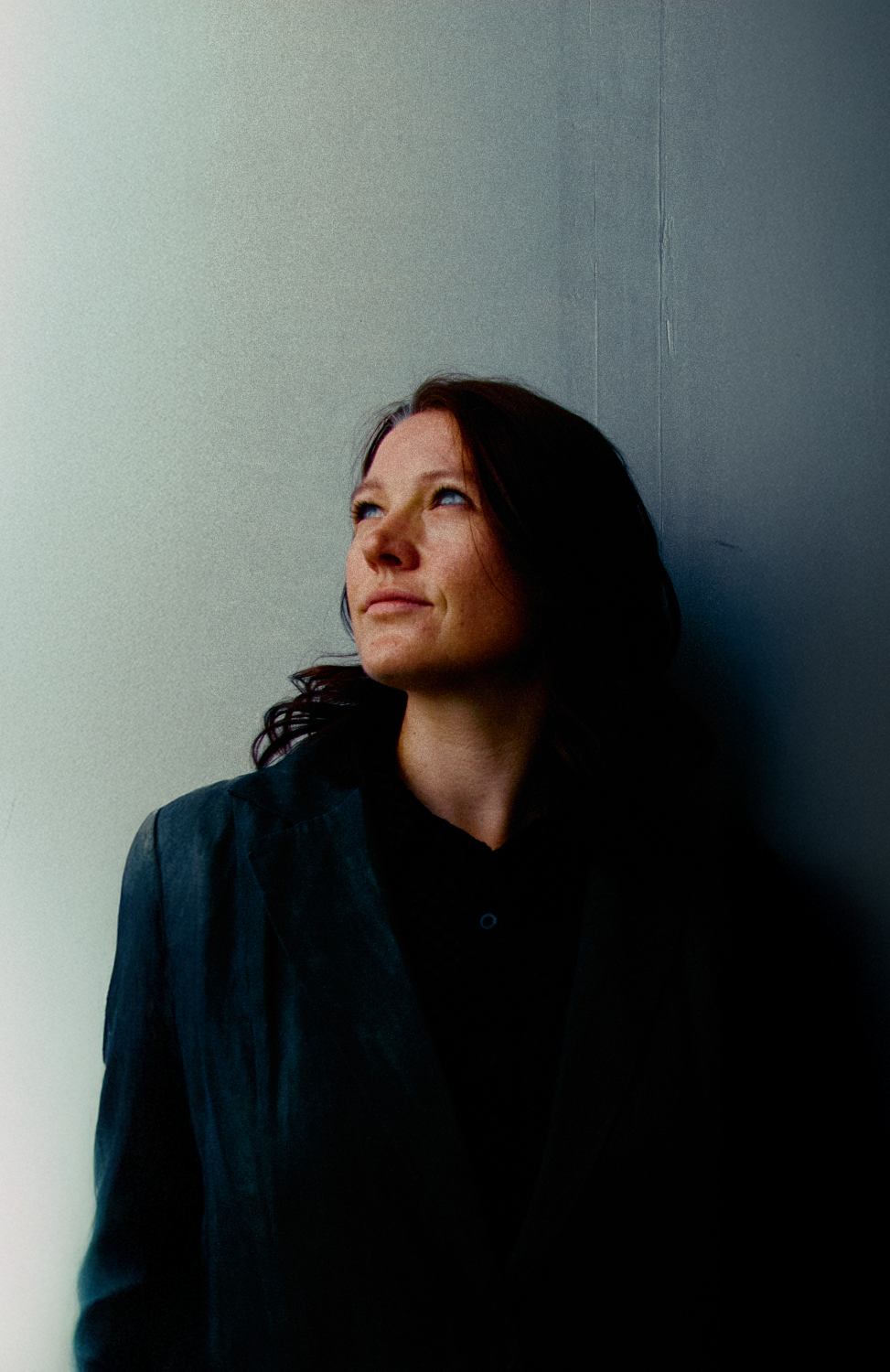
MARY RAPP (WA) - Purnululu National Park (WA)
Mary Rapp is a multidisciplinary musician, composer, and acoustic researcher whose practice is driven by an endless curiosity about sound: how we make it, hear it, inhabit it, and how the spaces around us shape its meaning. Working across improvised performance, composition, acoustics and site-responsive installation, she investigates the meeting points between music, listening and place.
Mary performs as a cellist, double bassist and vocalist across classical, jazz and experimental music, and her wide-ranging practice has led her to long-term study of traditional Korean p'ansori singing. She holds a cross-disciplinary PhD in music and acoustic science from the University of Sydney's Acoustics Lab and Sydney Conservatorium of Music, and received a Korea Foundation Artist Research Fellowship for intensive full-time p'ansori study in Seoul with the great artist Bae Il Dong.
As a research fellow at Edith Cowan University, Mary explored the acoustic character of significant sites across Western Australia. Through impulse-response measurement, performance and composition, she has developed new site-specific works that translate the audible and material qualities of place into sound.
Her performances and commissions have been presented by organisations including the Australian Art Orchestra, Sydney Opera House, Melbourne International Jazz Festival, Sydney Observatory, Haus der Kulturen der Welt, Athr Gallery and the Art Gallery of New South Wales.
Residency:
Mary Rapp will work with the Traditional Owners of country in the East Kimberley region of Western Australia, the Gija community, particularly young people at Warmun Art Centre, to create a sound artwork inspired by the unique acoustics of Cathedral Gorge in Purnululu. Using acoustic research and recordings from the site, the project will produce new music, a community performance, and a lasting artwork that can be shared by the community and exhibited in galleries.
Image credit: Thomas Calder
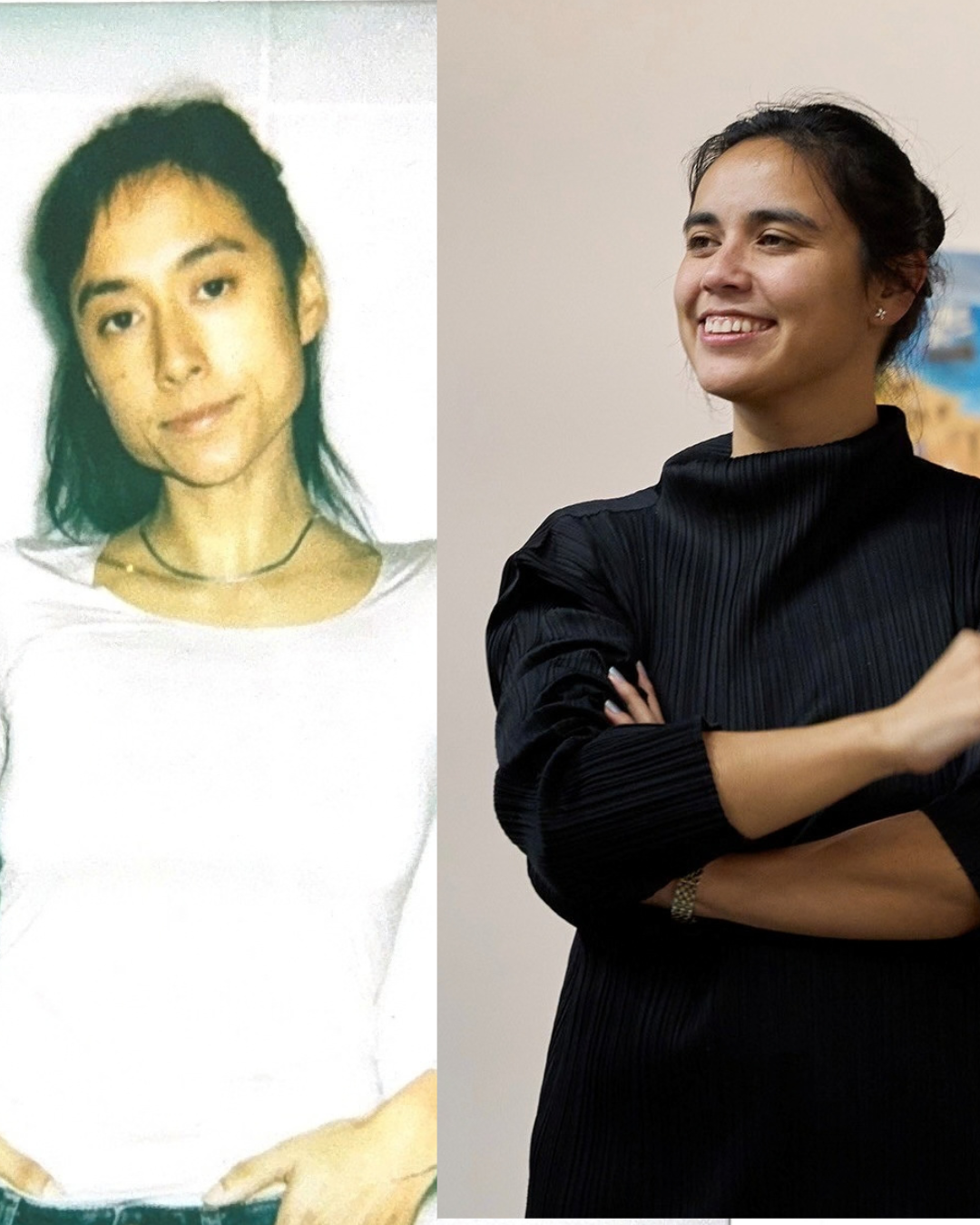
MIA & GEORGIA BOE (VIC & QLD) - K'gari (QLD)
Mia Khin Boe is an artist whose cultural inheritances and disinheritances are the focus of her work. Of Butchulla and Burmese descent, her art offers an oblique response to the historical and ongoing colonial violence inflicted upon the lands and peoples of these cultures. Born on Yuggera/Turrbal Country, Brisbane, and now living on the lands of the Kulin Nation in Melbourne, Boe is concerned with uncovering ignored, forgotten, and denied realities, often moving between social realism and speculative fiction to imagine futures lost.
Georgia Boe is a First Nations curator, project manager and consultant committed to amplifying First Nations and non-Western perspectives within contemporary art. Of Butchulla and Burmese heritage, she collaborates with artists to challenge dominant narratives and foster alternative ways of seeing. Her practice draws on cultural narratives, public art strategy, and community engagement. She focuses on First Nations-led projects and the intersection of contemporary art and urban development. She creates meaningful opportunities for artists and audiences to engage with art beyond traditional frameworks through her curatorial and managerial work.
Residency:
Mia Boe and Georgia Boe will undertake practice-led research on their Butchulla matrilineal Country. Through engagement with Butchulla Rangers, Elders, family and community, the residency will explore cultural fire knowledge, land management and caring for Country. The research will inform The Aboriginal Robot, an interdisciplinary project spanning film, photography and painting, with proposed outcomes including new work, exhibitions and critical writing.
Image credit: Mia Boe's image credit: Coutesy of the artist. Georgia Boe's image credit: Cian Sander.
2025 Recipients
Jonathan Jones — Greater Blue Mountains (NSW)
Jonathan Jones lives and works in Bathurst, New South Wales. Mr Jones is a member of the Wiradyuri and Kamilaroi peoples of south-east Australia. He works across a range of mediums, to explore and interrogate cultural and historical relationships and ideas from Aboriginal perspectives and traditions. He has presented exhibitions at Sherman Contemporary Art Foundation, Sydney; at all state galleries and the National Gallery of Australia; National Gallery of Canada, Ontario; Palazzo delle Papesse Contemporary Art Centre, Siena, Italy; and Plug In Institute of Contemporary Art, Winnipeg, Canada. Mr Jones work is represented in major public collections throughout Australia and in a number of public collections overseas.
Residency: Artist Jonathan Jones will live on Wiradyuri Country within the Gardens of Stone National Park in the Greater Blue Mountains for 21 days alongside elders and environmentalists to intensively learn about the site and the issues faced by the changing climate from both a Wiradyuri and scientific perspective. Reflecting on familial cultural connections to the region and its uniqueness Jonathan’s residency will include the creative production of nature tracks and series of free public talks.
Michael Cook — K’gari (Fraser Island) (QLD)
Michael Cook is a highly celebrated Bidjara artist living in southwest Queensland. Mr Cook’s work is currently on display in France at PHOTO AUSTRALIA’s ‘On Country: Photography from Australia’ – one of the world’s longest running photography festivals and the first major survey of First Nations’ photography presented at the Rencontres d’Arles. Mr Cook was a finalist in the National Photographic Portrait Prize in 2025, and in 2022 he won the Fisher’s Ghost Art Award and the Josephine Ulrick Photography People’s Choice Award. His works are held in all major Australian collections, and in significant international collections, including the British Museum, London; Fondation Opale, Switzerland; The Museum of World Cultures, Netherlands; Museum of Contemporary Aboriginal Art, Utrecht; LA County Museum of Art, LA; and the Kluge-Ruhe Aboriginal Art Collection, USA.
Residency: Bidjara artist Michael Cook will develop a new creative project on k’Gari (Fraser Island) in Queensland over a year-long residency. Drawing on his own knowledge of place and working closely with the Butchulla people, Michael will examine the early contact with the First Fleet and subsequent aftermath of colonisation on the island to culminate in a new photographic series.
Amanda Niehaus on behalf of Science Write Now — Wet Tropics of Queensland (QLD)
Science Write Now is a small literary magazine that publishes creative writing inspired by science. Science Write Now was established to fill a critical gap in world publishing - to engage diverse audiences with fiction and non-fiction that contextualises science into everyday lives.
Residency: Writing collective Science Write Now will take 8 writers to the Wet Tropics of Queensland for an 11-day residency to engage with the local environments and cultures for their 2027 planned edition “The Hot Wet North”. Writers will work on their commissioned pieces throughout the residency and present their written works in an event in Cairns on the last night.
Related


We acknowledge the many Traditional Custodians of Country throughout Australia and honour their Elders past and present.
We respect their deep enduring connection to their lands, waterways, and surrounding clan groups since time immemorial. We cherish the richness of First Nations peoples’ artistic and cultural expressions. We are privileged to gather on this Country and to share knowledge, culture and art, now and with future generations.
