
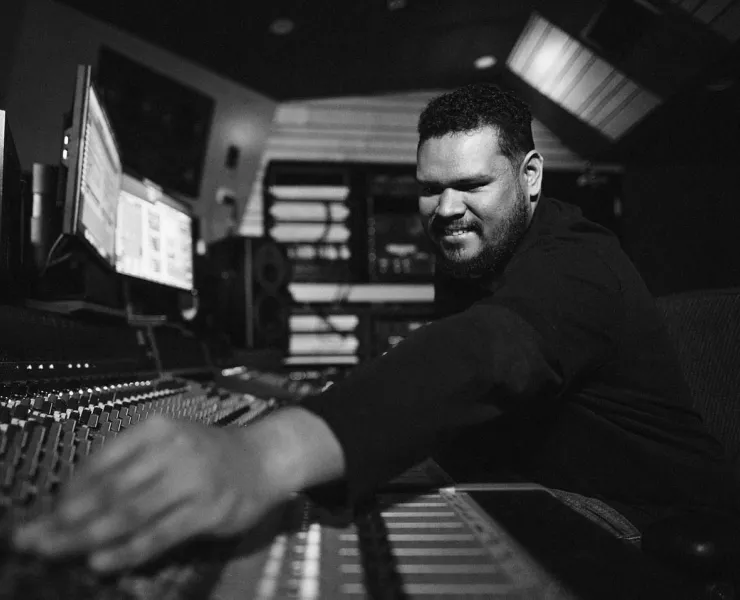
Space to Create: First Nations Music Residency
Key dates
Applications open: Thursday 18 September 2025
Applications close: Tuesday 11 November 2025 (3pm AEST)
Notification date: Early January 2026
Activity period:
Group Residency: 16 March 2026 - 21 March 2026
Individual Residencies: 23 March 2026 - 19 Oct 2026
Contact
Joseph Clarke
Project Manager
First Nations Arts and Culture
Email: joseph.clarke@creative.gov.au
If you need help with your application, please call or email us.
Please note: Are you registering to use our Application Management System for the first time? Make sure you register well before the closing date. It can take up to two business days to process your registration.
About the opportunity
Space to Create: First Nations Music Residency is an immersive residency program for emerging and established First Nations musicians, producers, and songwriters to dedicate focused time to the development of their music practice. Participants will have access to professional recording studios, tailored mentoring, and workshops with leading industry professionals.
Delivered in partnership with the Australian National University’s School of Music and the Yil Lull (“To Sing”) Recording Studio, the residency is underpinned by music, culture, and community, and is designed to support sustainable pathways within the music industry.
The program provides a dedicated environment for eight selected participants to expand their creative ideas, collaborate with peers, and strengthen their artistic practice. Activities will include composition, voice coaching, technical skill development, and professional learning opportunities to support long-term career growth.
Program details
- Eight (8) First Nations creatives will be selected for this opportunity.
- The residency is delivered across two stages:
Stage 1: Group Residency
- Location: ANU School of Music, Canberra
- Dates: 16 March – 21 March 2026
- Details: A one-week intensive with other First Nations artists, featuring workshops, recording sessions, mentoring, and masterclasses to help you build community, share knowledge, and strengthen your creative practice.
Stage 2: Individual Residency
- Location: ANU School of Music, Canberra
- Date range: Between 23 March and 25 October 2026
- Details: One week of focused studio and project time with tailored mentoring and technical support.
Please note: You must attend both stages to take part in the program.
What’s provided
Space to Create will provide:
- Travel, accommodation, daily allowances, and local transport.
- A participation fee to support your time and commitment.
- Access to the Yil Lull First Nations Recording Studio, including:
- Studio control rooms and professional software.
- Mastering and video editing suites and resources.
- Technical and production support from Senior Technical Officer.
- Mentoring from respected First Nations music industry professionals.
- Industry masterclasses and creative labs across the School of Music to build skills and networks.
In partnership with:

About the ANU School of Music and the ANU Yil Lull Studio
Situated on Ngunnawal-Ngambri country in the heart of the nation’s capital, and on the campus of Australia’s foremost research university, the School of Music at ANU has a proud and rich history. For nearly 50 years the school has played a leading role in the cultural life of Canberra and the surrounding region.
ANU is home to the Yil Lull First Nations Recording Studio, which offers free recording and music assistance to First Nations musicians from across Australia. The studio is named after the song Yil Lull (‘To Sing’) by legendary First Nations musician Joe Geia, to honour his standing in the industry, and is used with his permission.
The Yil Lull First Nations Recording Studio was established in 2021, the studio is led by Senior Technical Officer, Torres Strait Islander musician Will Kepa. Will’s vision for the studio is to be “a place for us, our mob, to come and meet; to create and to share; to expand on our stories; to keep our culture alive and our music alive; and to just keep that fire burning”.
This new initiative is part of Creative Australia’s First Nations First industry development programs. The programs have been developed in response to extensive community consultation on priorities and needs of the sector in response to Pillar 1, First Nations First – Revive, the Australian Government’s shared vision for Australia: a place for every story and a story for every place. These new initiatives aim to elevate existing programs and deliver new funding that build on a 50-year legacy of First Nations leadership and investment at Creative Australia.
How to apply
To apply log in here to our Application Management System (AMS) if you have an account. You can create an account if you do not already have one.
Once you have logged in, follow the next steps:
- select ‘Apply for a Grant’ from the left panel menu
- from the list of opportunities select ‘Space to Create’
- complete the fields and select answers with dropdown menus
- upload any necessary support material
- select ‘Save’ once complete
- if you are not ready to submit your application, you can return to it through ‘Your Draft Applications’ in the left panel menu at a later date
- otherwise select ‘Submit’.
Eligibility
Who can apply?
This program is open to:
- First Nations artists, musicians, composers, producers, audio engineers, and music industry workers.
- Applicants over 18 years of age.
- Australian citizens or permanent residents.
Please note:
- You can only submit one application per year for Space to Create: Music Residency round.
Who cannot apply?
You cannot apply for this grant if:
- You are not an Australian First Nations practising artists or arts professional.
- You are a group or organisation.
- You are based outside Australia.
- You have an overdue grant report.
- You owe money to Creative Australia.
- You are an artist manager or agent.
What the opportunity can be used for
Residency time and support can be used for many types of projects, including:
- Developing an album or EP.
- Working with a producer.
- Cross-disciplinary projects (music with film, theatre, dance, etc.).
- Writing music for film, television, or theatre.
- Recording, mixing, mastering, or production work.
- Expanding your vocal or instrumental practice.
- Exploring cross-genre or experimental projects.
- Strengthening industry knowledge and career planning.
Application form
The application form is your chance to tell us about yourself and your ideas.
We’ll ask you to:
- Provide a brief description of your artistic and/or professional practice.
- Describe how Space to Create will enhance your artistic practice.
- Describe how Space to Create will contribute to your professional development.
- Supporting material as relevant to your project, (see support material section).
Protocols
Your application must comply with the following protocols. We may contact you to request further information during the assessment process, or if successful, as a condition of your funding.
-
Protocols for using First Nations Cultural and Intellectual Property in the Arts
If your application involves working with other First Nations artists, arts and culture workers, communities, or subject matter you must adhere to these Protocols, and provide evidence of this in your application and support material. More information on the First Nations Protocols is available here.
Assessment
How applications will be assessed
A First Nations Industry Advisory Panel will review applications against three key areas:
- Quality
- Strength of your vision and ideas.
- Creative thinking and skills.
- Cultural expression in your work.
- Quality of past work.
- Impact
- How the residency will support your artistic growth.
- The importance of the project to your practice.
- Effective use of residency resources.
- Potential to develop new skills and networks.
- Viability
- Why this is the right time for you to participate.
- Evidence of cultural protocols, where relevant.
Support material
You should submit support material with your application. The Industry Advisory Panel may review this support material to help them gain a better sense of your activity and arts practice.
We do not accept application-related support material submitted via post. Application-related material received by post will not be assessed and will be returned to the sender.
If you think you will have difficulty submitting your support material online or need advice on what type of material to submit, please contact Joseph Clarke, Project Manager, First Nations Arts and Culture.
There are three types of support material you may submit:
- artistic support material
- biographies and CVs
- letters of support
Artistic support material
This should include relevant, recent examples of your artistic or cultural work.
Types of support material we accept
Our preferred method of receiving support material is via URLs (weblinks).
You can provide up to three URLs (weblinks) that link to content that is relevant to your project activity. This may include video, audio, images, or written material.
These URLs can include a total of:
- 10 minutes of video and/or audio recording
- 10 images
- 10 pages of written material.
Please note: The Advisory Panel will not access any URLs that require them to log in or sign up to a platform. Please do not provide links to Spotify or other applications that require users to log in or pay for access. If you are linking to media files that are private or password protected like Vimeo, please provide the password in the password field on the application form.
Other accepted file formats:
If you cannot supply support material via URLs, you may upload support material to your application in the following formats:
- video (MP4, QuickTime, and Windows Media)
- audio (MP3 and Windows Media)
- images (JPEG and PowerPoint)
- written material (Word and PDF).
Biographies, Headshots and CVs
You can include your current brief bio or curriculum vitae (CV) that is relevant to your application. You will be required to supply a photograph – headshot, you can include this in your application.
Please note: Brief bios or CV information should be presented as a single document no longer than two A4 pages in total.
Letters of support
Individuals, groups or organisations can write letters in support of your project. A support letter should explain how the project or activity will benefit you, other artists or arts professionals, participants or the broader community. It can also detail the support or involvement of key project partners, or evidence of consultation.
If relevant to your activity, letters of support must provide evidence of appropriate permissions and support from First Nations organisations, communities, and Elders. Please refer to the First Nations Protocols for more information.
You can include up to five letters of support, with each letter not exceeding one A4 page.
Previous recipients
2024 recipients
- Nidala Barker
- Lilly Gogos
- Normey Jay
- Georgia Llewellyn
- Russell Smith
- Cloe Terare
Frequently asked questions
Who can apply?
First Nations musicians, songwriters, audio engineers, producers, and music industry professionals at any career stage are welcome to apply. Whether you’re just starting out or have been working in music for years, this program is about supporting your artistic and professional growth.
Do I need to have a finished project idea to apply?
Not at all. You can apply with a project already underway, or simply an idea you’d like to explore further. What matters most is telling us how this opportunity will help you develop your practice and career.
What costs are covered?
All accommodation, travel, meals, and program costs are covered for successful participants. The program is fully supported so you can focus on your music and creative development.
Can I choose when I return for the second week?
Yes. If selected, you’ll take part in the first week of residency in March, then choose one of the following weeks to return:
- March 23–29
- April 20–26
- May 25–31
- June 22–28
- July 27–August 2
- August 24–30
- September 21–27
- October 19–25
2026 recipients
Allara Briggs Pattison
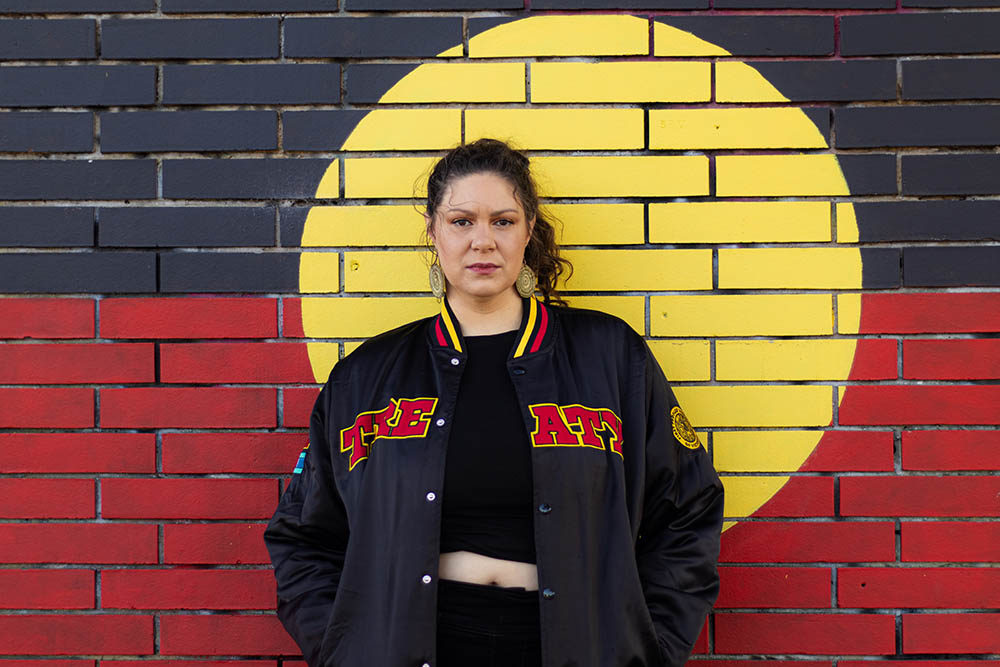
Allara Briggs Pattison is a staunch Yorta Yorta artist — songwoman, bassist, producer and sound designer. Living on Wurundjeri, Woiwurrung Country for almost 15 years, her motivation is driven by a hope for healing and selfdetermination.
Her fire is ignited by the resilience of yenbanal and wokan mulana. Allara’s unrelenting commitment to collapsing colonial structures informs her work across all fields, grounded in growing native knowledge resurgence, wholehearted Blak joy, and cropdusting seeds of resistance in every corner of every lawn. F**k the colony.
Photo: Grace Auld @graceauldphotography
Luke Briscoe
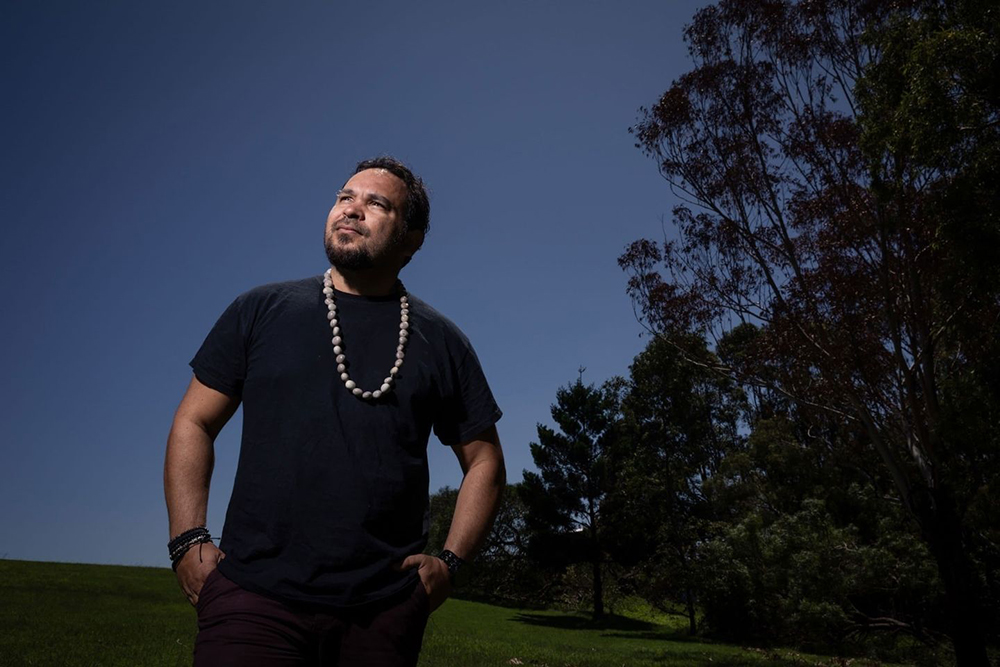
Luke Briscoe is a proud Kubirriwarra and Julaywarra Yalanji man based in Cairns, working on Gimuy Walubara Yidinji Country. He is a songwriter, performer and cultural producer whose music sits at the intersection of soul, reggae, R&B and roots, grounded in story, resistance and community.
Luke has performed across festivals, community events and cultural spaces, using music as a platform for truthtelling, collective strength and joy. His work is informed by lived experience and a deep respect for Country, drawing on contemporary Black music traditions and ancestral knowledge to create songs that speak to freedom, love and survival.
Wilhelm Cedar
Wilhelm Cedar is an emerging Torres Strait Islander musician raised in a deeply musical family. He began performing with his family’s singing and dance group, Mui Mui Bumer Gedlam, where songs written by his father, Toby Cedar, inspired his development as an individual artist.
Wilhelm is a dedicated songwriter with a strong focus on melody, harmony and vocal arrangement. Influenced by late‑20th‑century R&B and pop, his inspirations include Janet Jackson, Jimmy Jam & Terry Lewis, Prince, Giorgio Moroder, New Edition, Brandy and George Michael. He is currently developing his practice through professional studio work and building pathways into Australia’s contemporary music industry.
Ronan Fatt-Clifton – $teady
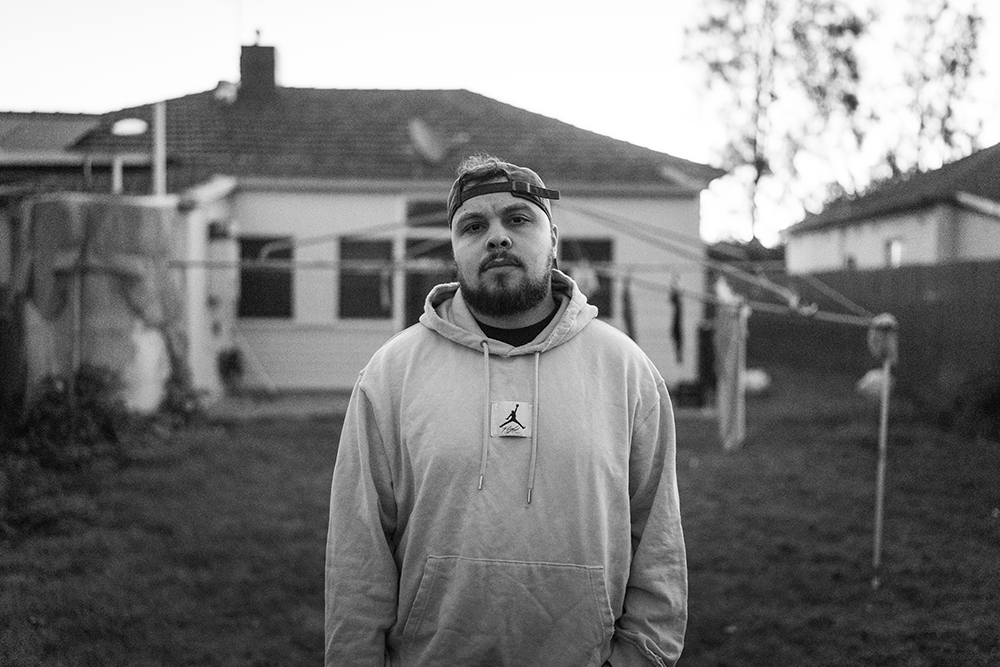
$teady is an Aboriginal rapper and a proud Antakirinja/Kokatha and Badimaya/Watjarri man from Coober Pedy, born in South Australia.
Growing up, $teady listened to all kinds of music but developed a strong love for rap, drawing inspiration from artists such as Nas, Big L, Tupac and The Notorious B.I.G. He connected deeply with their reality-based storytelling, seeing parallels with life in his own communities. His sound carries a mix of J. Cole and Polo G influences, with boombap and trap elements, as he continues to refine his style.
In 2025, $teady released his debut single Bands or a Buck, a track about personal change, resisting old habits and showcasing intricate rhyme schemes and flow. As an Aboriginal artist, his goal is to challenge stereotypes and show the world who Aboriginal people truly are.
Naomi Gipey
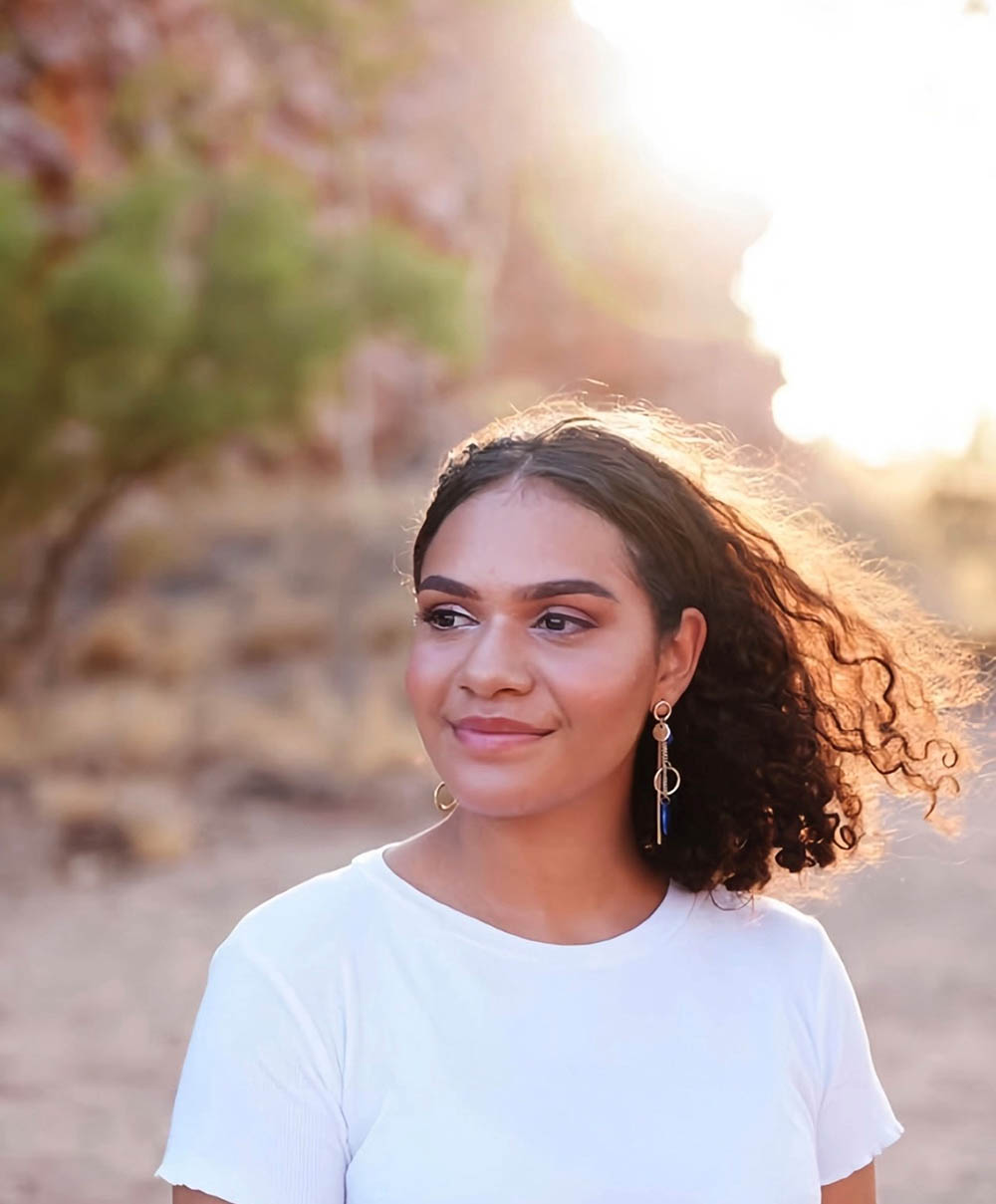
Naomi Gipey is a Yamatji storyteller and emerging songwriter. Born in Brisbane and raised in Alice Springs, she writes songs, sings and plays guitar as a way of exploring identity, place and connection.
Her songwriting is shaped by experiences working alongside Aboriginal women and communities, where ideas of sisterhood, resilience and shared story are central. Through intimate, reflective sound and storytelling, Naomi is beginning to carve out a creative voice rooted in listening, memory and lived experience. She previously appeared on Australian Idol.
Ada Parker-Minniecon
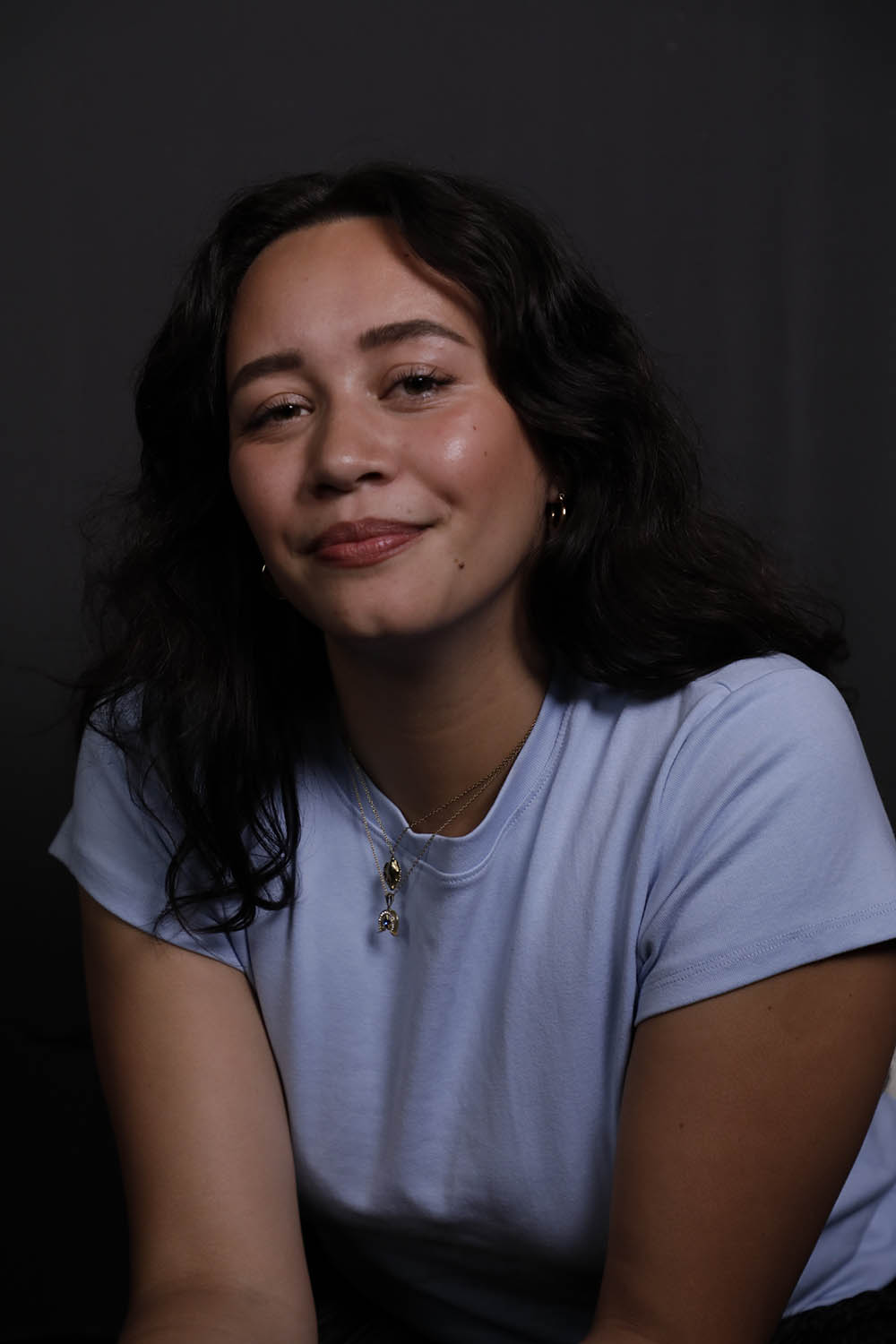
Ada Parker Minniecon is a Kabi Kabi/Goreng Goreng, Torres Strait and South Sea Islander woman, born and raised in Adelaide and now based in Sydney. Coming from a large family of singers and artists, her creative passion runs deep.
Ada has been singing for as long as she can remember, performing throughout her schooling and at events including NAIDOC Balls and Awards in South Australia, Reconciliation Week breakfasts, and corporate award events with her dad’s band, Sound Factory. She is drawn to R&B, pop and soul, with occasional influences of rock & roll and country. Her inspirations include Mariah Carey, Whitney Houston, Alicia Keys, Sade, Ariana Grande, Amber Mark and Olivia Dean. Musical theatre is also her notsosecret guilty pleasure, and she hopes to perform on stage one day.
Ada’s dream is to be a performing artist, and through this program she hopes to write and record an EP dedicated to her late Aunty Bern, whose life was surrounded by music and who always encouraged her to just sing.
WAARI
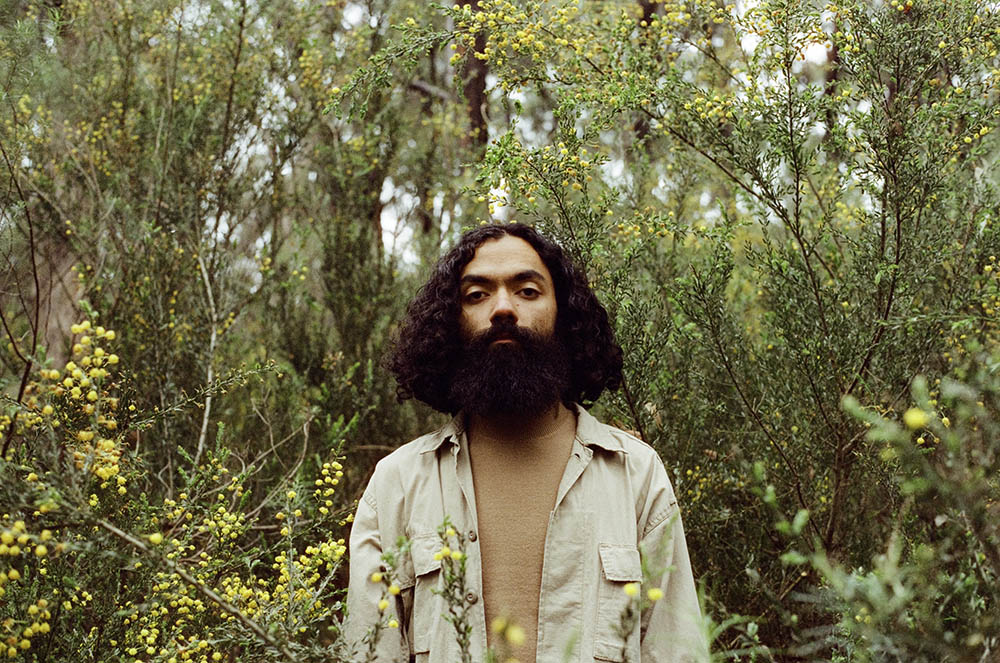
WAARI is a Blak interdisciplinary artist working with sound and print. As a descendant of the Waanyi and Kalkutungu peoples of socalled Queensland, and Ngāti Mutunga, Ngāti Manu and Te Ātiawa of Aotearoa, his practice asserts Country, language and the body as living archives, carrying knowledge forward despite colonial disruption.
Grounded in lived experience, his work engages memory, movement and futurity in sites shaped by extraction and ongoing occupation. Across multiple lands, WAARI continues to develop stories through listening, refusal and presence.
Photo: Kieran Satour
Nick Wymarra
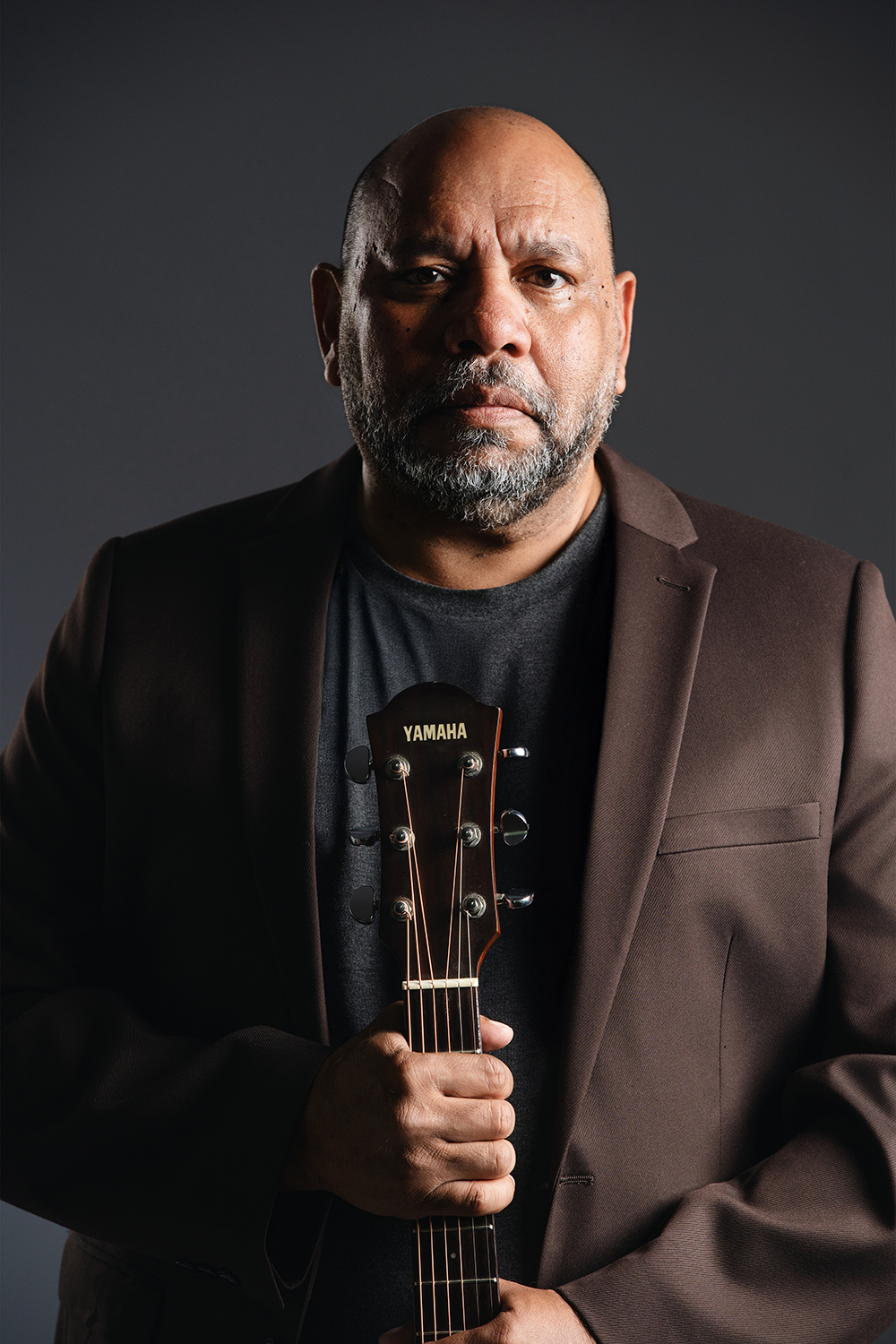
Nick Wymarra is a songwriter and multiinstrumentalist whose music stems from the traditions of the Eastern Torres Strait Islands and the Northern Peninsula Area, expressed through blues, roots and gospel.
Raised on countryfolk storytelling and selftaught on guitar, keys and drums, Nick’s artistry is a soulful exploration of life’s struggles and the positive messages found within them. His career is defined by a strong commitment to harmony and community, from early recognition alongside his sister Colina on the Listen Up 2! compilation to impactful work on projects such as Songs of Applewood and the Songs of Murray Street trauma recovery program.
Drawing inspiration from Christian mysticism, Nick prefers to record live to capture the raw energy of the moment. With over a decade of songwriting experience and an EP available on Spotify and Apple Music, he continues to evolve as an artist.
2025 recipients
Bedlam Rigney
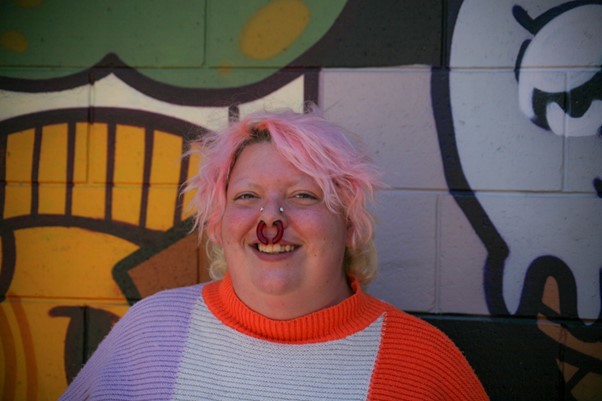
Meet Cringetrender, aka Bedlam Rigney (it/its), a bold and eclectic artist from the Western suburbs of Kaurna Yerta. With a background in a musical family, Bedlam’s journey in music began early, writing its first song at eight. Despite struggles with mental health and homelessness, Bedlam found a creative haven within its queer, disabled community. It’s a member of Lakinyeri with its family, contributing vocals and harmony. Determined to control its solo music, Bedlam has released impactful EPs like dads place and dissociation and distortion. Cringetrender reclaims and redefines the term “transtrender,” celebrating nonbinary identity and the power of being unapologetically authentic.
Kirsty Burchill
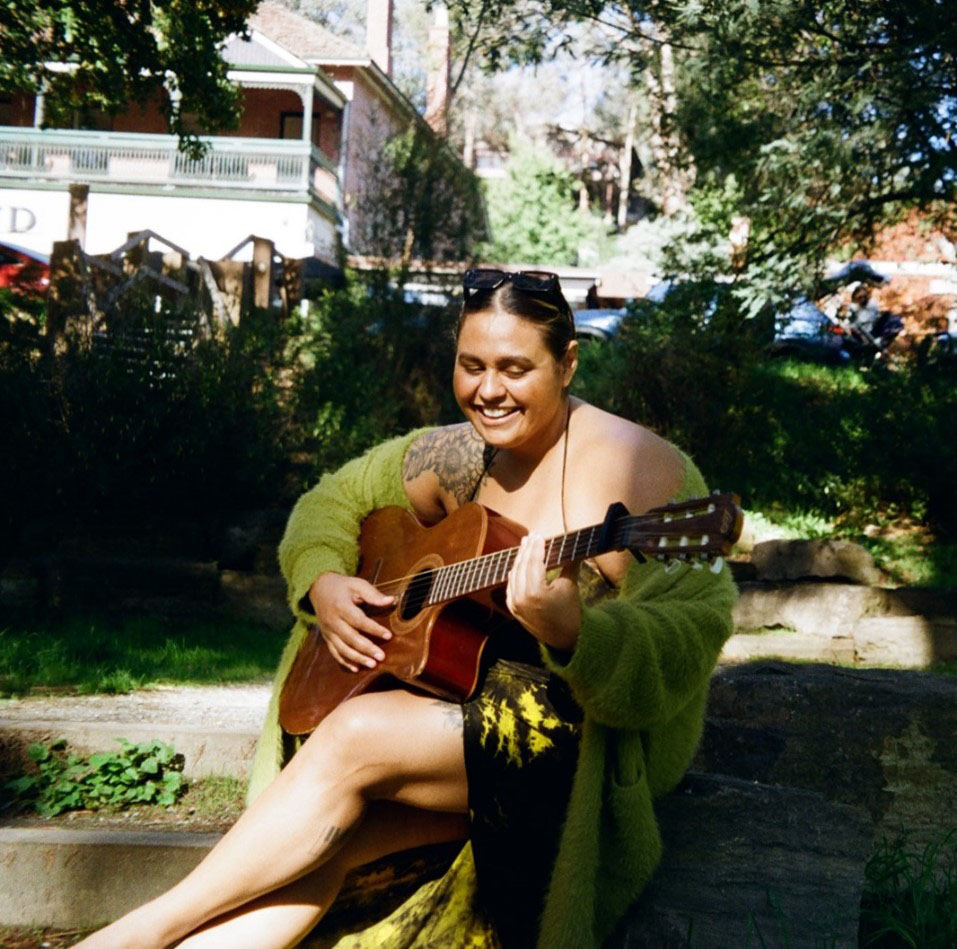
Kaybee (Kirsty Burchill), a Kuku Yalanji, Gubbi Gubbi, Goreng Goreng, Cairns born, and Mossman raised artist developed a love for music at a young age. This has grown into a music career where she is also seen as a role model for her schooling community and hometown. Kirsty has gone on to maintain Indigenous advocacy and Community Development roles whilst pursuing her music career. Moving to Melbourne in 2023 to pursue her dreams, Kaybee released three singles in 2024.
Travelling to New York City in 2023, rehearsing at Carnegie Hall; Kaybee has had her taste in international waters and hopes to continue to further her music nationally and internationally.
In 2025 Kaybee will release her first EP produced and co-written by Aria Award winning producer Rob Amoruso who’s nationally known for his work with amazing artists across the country such as Baker Boy and Mitch Tambo.
Canisha Clemmet-kennedy
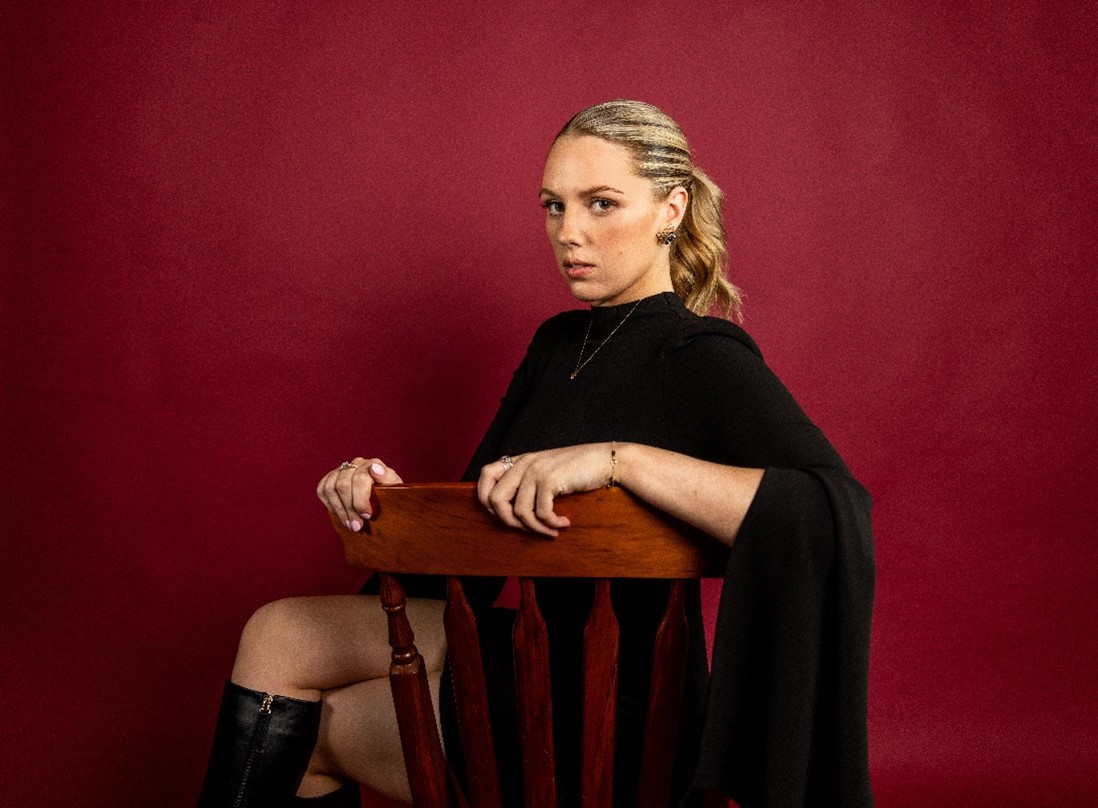
\Melbourne based artist Canisha is a soulful singer with an edge, a lyricist whose emotive and playful music captivates and draws you in. Canisha is a First Nations artist with a captivating exploration of emotion in her music.
Her debut EP, DON’T BE SCARED, released in 2024 via Bad Apples Music, showcases her confident and lush pop sound. Canisha’s music is textured and rich, with inviting and warm vocals. Inspired by artists like Adele and Harry Styles, she has grown in confidence and purpose, using music to overcome social anxiety and connect with audiences.
She has performed at festivals like Yirramboi Festival, St. Kilda Music Festival, Share the Spirit at Sidney Myer Music Bowl and Treaty Day Out. Canisha’s music blends pop sensibilities with soul flavour, marked by raw lyricism and storytelling. She aims to create music that others can relate to and find joy in.
In 2022, Canisha put herself on the map, performing alongside Briggs, and other First Nations Artists at the Bad Apples House Party. This opened many doors for Canisha, leading to securing a slot at the 2023 St Kilda Music Festival, Brunswick Music Festival, headlining “Blak Stage” at the Retreat Hotel and Yirramboi Festival.
Canisha has been lucky to work with and receive mentorship from Candice Lorrae from the Merindas, Bad Apples Music, Bumpy, Tasman Keith and Beatrice Lewis from Haiku Hands. Canisha is a 2023 recipient of the Singing our Futures music program run by the Archie Roach Foundation. During this program Canisha wrote a song with soul artist Bumpy and will perform at the Big Sound music conference.
Canisha was also asked to be a part of the First Nations Pathway Program run by Mushroom Group where she was mentored by Tasman Keith. Most recently Canisha participated in the 2024 Resonate program with NATSIMO where she collaborated with Indigenous artists from around the country.
Toni Janke
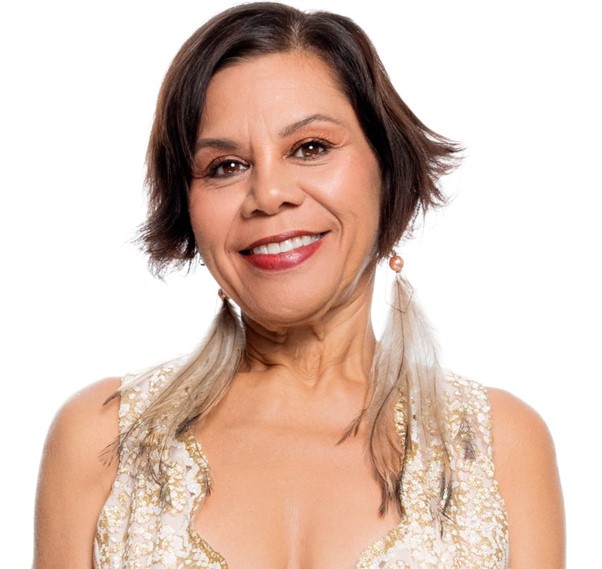
Toni Janke, a celebrated First Nations singer-songwriter with heritage from the Wuthathi, Yadhaigana, and Meriam peoples of Cape York and Murray Island, has had a remarkable career spanning music, arts, and Indigenous affairs. Growing up in Cairns and Canberra, Toni began performing and writing music at a young age, releasing acclaimed works through her independent label, Toni Janke Productions. Her discography includes Hearts Speak Out (1993), The Brink (2000), Jewel of the North (2004), and Eternal (2021).
As a pioneer in Australia’s music industry, Toni has won national awards and performed at major festivals and events. She is an Elder in Residence for QMusic’s BigSound Goolwal Goolwal program, Chairperson of the First Nations Advisory Committee, and a Board Member of Brisbane Powerhouse. She is also a member of the National Indigenous Media Awards (NIMAs) Leadership Group and a member of the Indigenous Advisory Council of Lion Nathan.
Beyond music, Toni has dedicated over 30 years to advancing Indigenous affairs, working across government, law, media, education, and the arts. She runs a Brisbane-based consultancy focusing on inspirational leadership for those wanting to make an extraordinary difference in the world through compassion, social justice and creativity. In 2024, she received an Australian Women in Music Award (AWMA) for her trailblazing contributions to inclusivity and cultural diversity. Toni continues to inspire with her creative projects, including an upcoming 2025 production exploring her life and music as a proud First Nations woman.
Kaytlyn Johnson
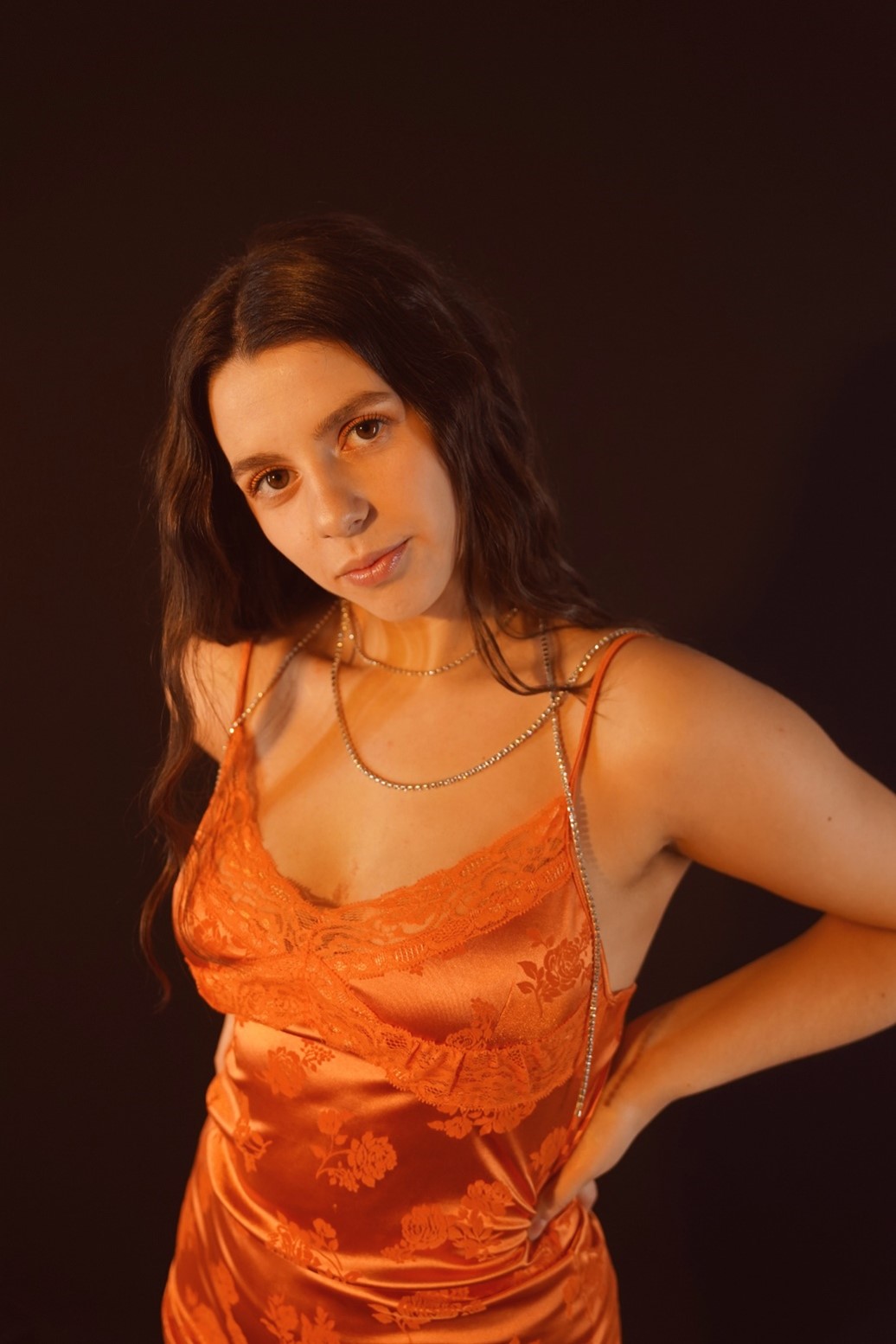
Kaytlyn Johnson is a Palawa singer-songwriter and budding producer from rural North-West Tasmania, blending indie, pop, and rock with heartfelt storytelling. With performances alongside GRAMMY-winning artists Lucky Oceans and Thelma Plum, and her debut single Sunburn co-produced at the Indigenous-led Yil Lull studio, Kaytlyn’s music celebrates her identity, lived experiences, and aspirations.
Davin Ojala
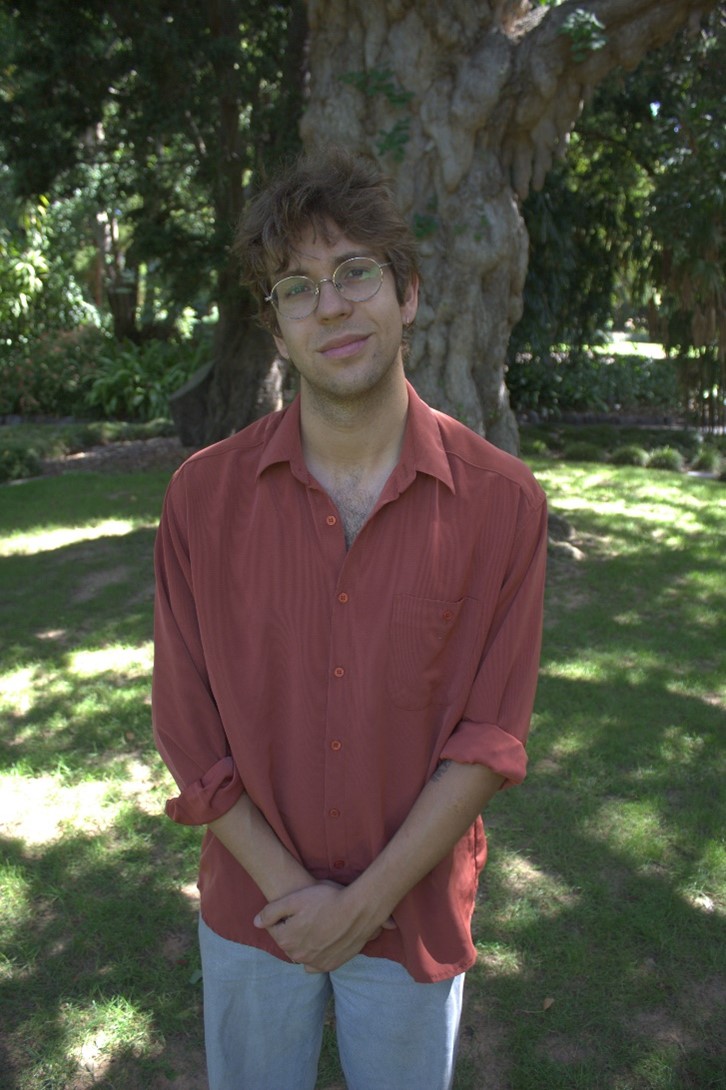
Davin Ojala is an Anaiwan man from the cold Kyuna of the New England tablelands (NSW).
As a musician and composer, Davin uses the electric bass as the driving force behind his compositions and creativity. “I want to be able to shine a light on the beauty and sonic possibilities that lie within an often overlooked instrument,” he says.
After completing an Honours Degree in Music Performance at Te Auaha, Whitireia (Wellington) Davin relocated to Naarm to pursue his musical and cultural journey.
Davin has worked as a professional session bass player for the last four years including live performances, recording, composition, musical direction and arrangements. His last major project included composition and arrangement for Running Into The Sun, which won two awards including “Best Theatre Work” at the 2024 Melbourne Fringe Festival.
Davin continues to forges his path, delivering experiences that resonate far beyond the music itself.
Blake Rhodes
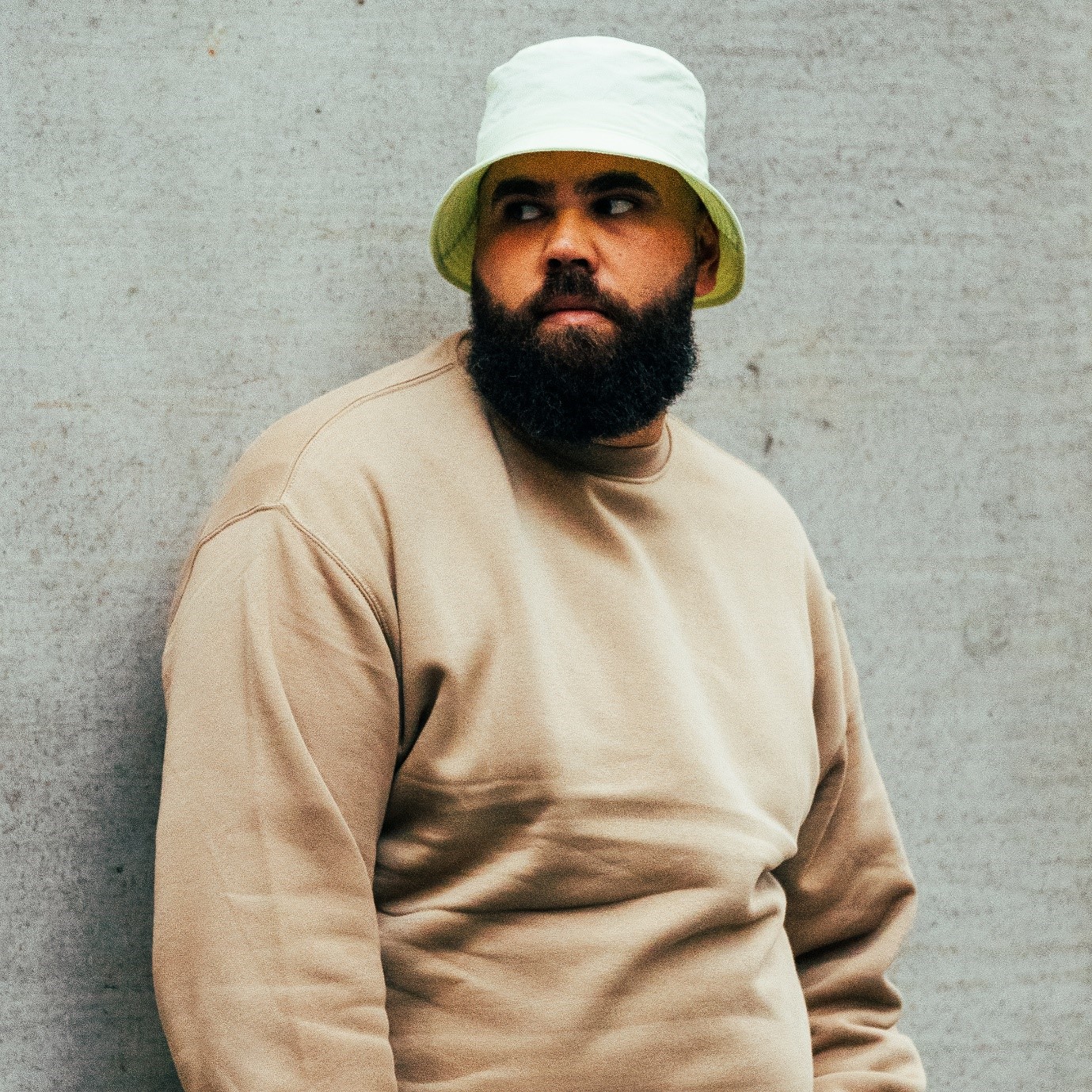
Blake Rhodes blends soulful future hip-hop with unmatched energy, earning recognition on major platforms and on radio. From early hits like Wonderous to the latest release The World is Mine, he continues to push boundaries. Tours with Winston Surfshirt, Horrorshow, and ILLY cement his position at the forefront.
Troy Russell
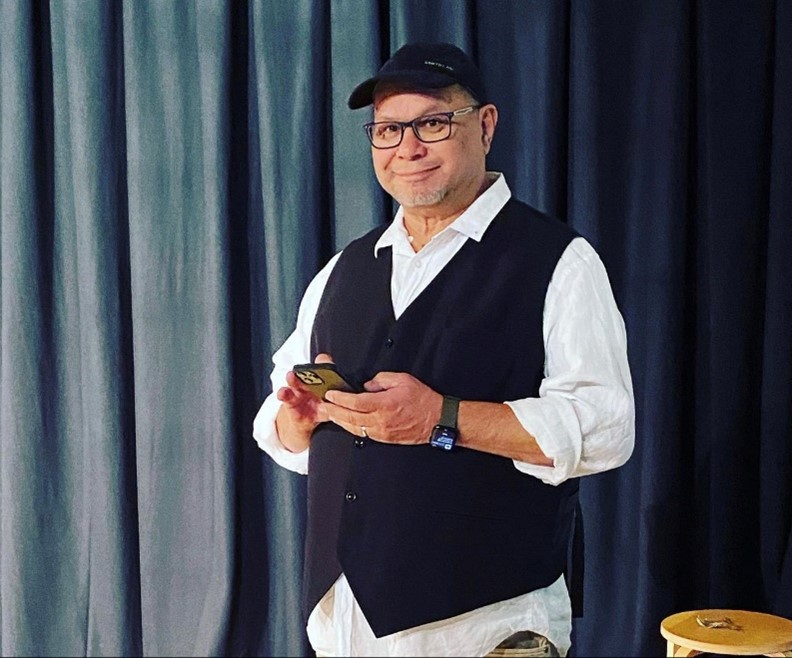
Troy Russell is an accomplished composer and musician of Biripi and Gamillaroi descent. He was born and raised in the Inner West suburbs of Sydney. Troy’s musical journey began at the age of 11 when a neighbour offered to teach him the fundamentals of music.
Troy’s work draws on a range of musical genres, and he often incorporates Indigenous ideas into his compositions. He has collaborated with a variety of artists and organisations, including Bach Akademie, Elysian Fields and Ensemble Offspring.
Troy was one of the inaugural First Peoples Artists-in-Residence along with Nardi Simpson at the Sydney Conservatorium of Music, where he worked on a range of projects that highlight the stories and experiences of First Nations people. His work is powerful and moving, and he is quickly becoming a respected and admired composer.

We acknowledge the many Traditional Custodians of Country throughout Australia and honour their Elders past and present.
We respect their deep enduring connection to their lands, waterways, and surrounding clan groups since time immemorial. We cherish the richness of First Nations peoples’ artistic and cultural expressions. We are privileged to gather on this Country and to share knowledge, culture and art, now and with future generations.
