
Arts Business: First Nations Development Fund
Key dates
Opening: Wednesday 10 December 2025
Closing date: Tuesday 3 February 2026 at 3pm AEDT
Notifications: Late April 2026
Projects can start from: 1 June 2026
Please note: Are you registering to use our Application Management System for the first time? Make sure you register well before the closing date. It can take up to two business days to process your registration.
Contact
Tammy Close
Project Manager, First Nations Arts and Culture
T: +61 02 9215 9145
E: tammy.close@creative.gov.au
About the opportunity
Arts Business: First Nations Development Fund provides grants from $10,000 to $50,000 to build sustainable business practices and support economic and social development opportunities. The opportunity is open to arts and culture First Nations individuals, groups, and micro-organisations.
Grants can be used for professional and workforce development, governance training, capacity building, marketing, seed funding, strategic planning, and building digital capabilities.
Your application should focus on demonstrating a business proposal that outlines the objective and impact of what will be achieved with this funding. This fund should improve skills, capacity, and financial stability to increase growth opportunities and elevate workforce and business capabilities.
The Arts Business: First Nations Development Fund is for activities beginning on or after 1 June 2026. Funded activities must last no longer than 12 months from the proposed start date.
This initiative is part of Creative Australia’s First Nations First industry development programs. The programs have been developed in response to the extensive community consultation on priorities and needs of the sector in response to Pillar 1, First Nations First - Revive, the Australian Government’s shared vision for Australia: a place for every story, a story for every place. These new initiatives aim to elevate existing programs and deliver new funding that builds on a 50-year legacy of First Nations leadership and investment at Creative Australia.
Eligibility
Who can apply
The Individual must:
- be a First Nations artist
- be an Australian Citizen or a Permanent Resident
- be residing in Australia
- be a Sole Trader.
The Group must:
- be all First Nations artists
- be an Australian Citizen or Permanent Resident
- be residing in Australia
- be a Sole Trader for the group or a group partnership.
Organisations must:
- be a First Nations-led small business or micro-organisation that has no more than 5 FTE (full time equivalent) staff
- be based in Australia.
Project Eligibility:
All applicants must:
- apply for funding between $10,000 - $50,000
- complete their activity in a twelve (12) period from your proposed start date
- projects can start from or after 1 June 2026.
Please note: You can only submit one application for this grant initiative.
Who can’t apply?
Individuals and groups can’t apply if you:
- are a non-First Nations individual or group
- are not an Australian Citizen or Permanent Resident
- are based outside of Australia
- are a not Sole Trader or a group partnership
- are a screen or film-based business
- already have received funding for the same project from Creative Australia
- have an overdue grant report with Creative Australia
- owe money to Creative Australia.
Organisations can’t apply if you:
- are a non-First Nations-led organisation
- are a First Nations-led organisation that has more than 5 FTE (full-time equivalent) staff
- are based outside of Australia
- are a screen or film-based organisation
- already have received funding for the same project from Creative Australia
- have an overdue grant report with Creative Australia
- owe money to Creative Australia.
What can the funding be used for?
Activities can include, but are not limited to:
- a First Nations artist or designer purchasing a graphic design program, a short course in the program and a tablet to increase the mobility and quality of their design services
- a First Nations musician purchasing a digital audio workshop, mentoring and studio time to boost the professional quality of their music
- community consultation and temporary marketing staffing to expand the audience and network of a growing organisation
- access costs are legitimate expenses and may be included in your application. We encourage applicants to ensure that their work is accessible to everyone
- build e-commerce and digital platforms to streamline your business activities.
Access Costs
We encourage applicants to ensure that their projects are accessible for everyone. Access costs are a legitimate cost and may include but are not limited to:
- using Auslan interpreters
- captioning
- translation to other languages
- audio description
- temporary building adjustments
- materials in other formats
- specific technical equipment
- carer, or support worker assistance
- sensory spaces for events and festivals
- Arts Access Organisations in Australia.
Below is a list of arts and disability organisations in Australia for you to reach out to regarding access costs:
- New South Wales: Accessible Arts
- Northern Territory: Incite Arts
- Queensland: Access Arts
- South Australia: Access2Arts
- Victoria: Arts Access Victoria
- Western Australia: DADAA
Protocols
Your application must comply with the following protocols (if applicable). We may contact you to request further information during the assessment process, or if successful, and a special condition is required as part of your funding contract.
Protocols for Using First Nations Cultural and Intellectual Property in the Arts
It is recommended to follow these protocols if your project involves working/collaborating/consulting with other First Nations artists, arts and culture workers, organisations, communities, or subject matter.
Resources:
- Protocols for using First Nations cultural and intellectual property in the arts
- Animation on how First Nations Cultural and Intellectual Property Protocols are used in assessments
Commonwealth Child Safe Framework
All successful applicants are required to comply with all Australian laws relating to employing or engaging people who work or volunteer with children, including working with children checks and mandatory reporting. Successful organisations that provide services directly to children, or whose funded activities involve contact with children, will additionally be required to implement the National Principles for Child Safe Organisations.
.
Assessment
The First Nations Industry Advisory Panel will identify as First Nations artists and arts and culture workers, who may represent each state, territory, and areas of artistic and cultural expression, including music, dance, visual arts, theatre, literature, experimental arts, and community arts and cultural development.
The First Nations Industry Advisory Panel will review and score eligible applications against the assessment criteria and attend an assessment meeting to discuss the applications, resulting in the recommendation of the top applications to be funded. The recommendations will be provided to the Executive Director, First Nations Arts and Culture to approve.
Assessment Criteria
Under each criterion are bullet points indicating what Industry Advisors may consider when assessing your application.
Please note: You do not need to respond to every bullet point listed.
Quality
The Industry Advisors may consider:
- the merit of the business proposal provided or examples of previous practice
- the potential, experimentation or ambition of the creative/group/micro-organisation
- the creative skills or engagement to be gained through this opportunity.
Impact
The Industry Advisors may consider:
- the benefit and impact on the career of the people involved and the ongoing development and planning of the organisation/business
- how the activity is relevant to the organisation/business
- the potential to discover and develop new markets, collaborators, relationships, or meet existing market demand
- the extent to which the activity contributes to a sector that is ethical, accessible, inclusive, and equitable.
Viability
The Industry Advisors may consider:
- the relevance and timeliness of proposed activity
- the skills and abilities of the people involved
- realistic and achievable planning and resource use to undertake the activities
- the calibre and track record of your organisation, partners, and collaborators
- your previous experience delivering other projects/activities of similar size and scope.
Applications
The application form includes the following questions:
- Please provide the title of your proposal (100 characters or less)
- Please provide a summary of your arts business and or practice, current activities and key positions (2000 characters or less)
Please consider: Tell us what your business or practice does, where you’re based, and who is involved. Include what kind of business you are (for example, Sole Trader, not-for-profit, company, or collective) and your main creative or commercial work. You can also include your goals, recent achievements, partnerships, and how your work connects with the community and/or audiences.
- Describe your main priorities or needs that this funding will support (2,000 characters or less)
Please consider: Tell us what your biggest needs or challenges are right now, and how this funding will help you address them. You might talk about what stage your business is at (for example, just starting, growing, or changing direction) and what difference this support will make for your plans.
- How will this funding help you grow or strengthen your business or practice (2,000 characters or less)
Please consider: Explain how this funding will make a lasting difference. For example, it could help you plan better, build your team, improve how you run your business, reach more audiences, or create new income. You can also tell us how you’ll know if it’s been successful.
Support material
The Industry Advisors will review your support material to help them gain a better sense of your project.
It is recommended that you provide:
- your individual or organisation’s website
- your individual or organisation’s Business Plan, that includes:
- a description of your arts business, objectives, strategies
- market analysis and target audience information
- short- and long-term goals with measurable outcomes.
- CVs or short biographies of key personnel
- Letters of Support or Endorsement from partners, collaborators, community leaders, or industry professionals
- samples of Previous Work via images, video, or audio files, or digital portfolios showcasing the quality and style of your work.
Ways of providing your support material
You can provide up to three URLs (weblinks) that link to content that is relevant to this program. This may include video, audio, images, or written material.
These URLs can include a total of:
- 10 minutes of video and/or audio recording
- 10 images
- 10 pages of written material
Please note:
- the Industry Advisors will not access any URLs that require them to log in or sign up to a platform
- please do not provide links to Spotify or other applications that require users to log in or pay for access
- if you are linking to media files that are private or password-protected, such as Vimeo, please provide the password in the password field on the application form
- the maximum limit for each single item that can be uploaded is 100mb.
Other accepted file formats:
If you cannot supply support material via URLs, you may upload support material to your application in the following formats:
- video (MP4, QuickTime, and Windows Media)
- audio (MP3 and Windows Media)
- images (JPEG and PowerPoint)
- written material (Word and PDF).
Please note: We do not accept application-related support material submitted via post. Application-related material received by post will not be assessed and will be returned to the sender.
If you think you will have difficulty submitting your support material online or need advice on what type of material to submit, please contact Tammy Close, Project Manager, First Nations Investment and Development.
How to apply
Are you registering to use our Application Management System for the first time? Make sure you register well before the closing date. It may take up to two business days to process your registration.
Once you have logged in, follow the next steps:
- select ‘Apply for a Grant’ from the left grey panel menu
- from the list of opportunities select 'Digital Specialist in Residence – for First Nations Organisations'
- complete the fields and select answers with dropdown menus
- select ‘Save’ as you work through the application
- if you are not ready to submit your application, you can return to it through ‘Your Draft Applications’ in the left panel menu at a later date
- when complete, please select ‘Submit’.
After you apply
- Once you submit your application, we will send you an email acknowledging that we have received your application.
- After we receive your application, we first check it meets the eligibility criteria for the grant or opportunity to which you are applying.
- Applications to our grant programs are assessed by arts practice peer panels using the published assessment criteria for the relevant grant program.
- We aim to notify you of the outcome of your application no later than 13 weeks after the published closing date for the grant round.
Successful applications
- Once all applications have been assessed, you will be contacted about the outcome of your application.
- If you have been successful, you will also be sent a funding agreement. This outlines the conditions of funding, how you will be paid, and your grant reporting requirements.
Unsuccessful applications
- If your application is unsuccessful and you would like to request feedback, please contact Project Manager, Tammy Close: tammy.close@creative.gov.au.
2026 recipients
Alison Page (NSW)
Bagala Aboriginal Corporation (NT)
Binung Boorigan Pty Ltd (VIC)
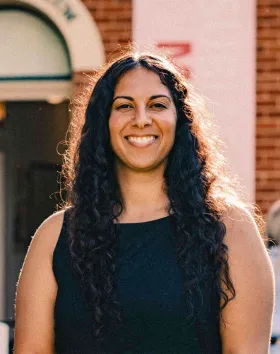
Dana Garlett (WA)
Dusty Feet Mob (SA)
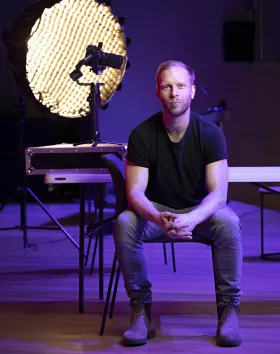
Joel Bray Dance (VIC)
Laundry Gallery (NT)
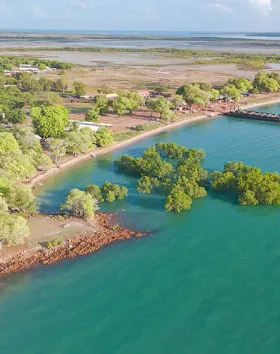
Milingimbi Art and Culture Aboriginal Corporation (NT)
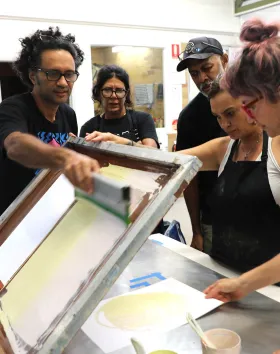
Munimba-ja Arts Centre (QLD)
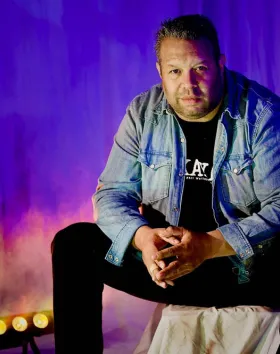
Phillip Walley-Stack (WA)
Saltwater Freshwater Arts Alliance Aboriginal Corporation (NSW)
Singing Our Futures (VIC)
Teagan Cowlishaw – BlakList (WA)
2025 recipients
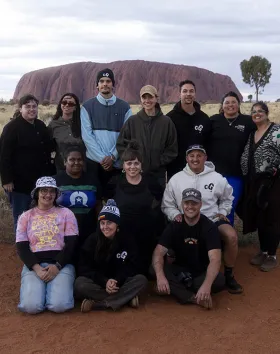
Common Ground

Denni Francisco, Ngali
Ikuntji Artists
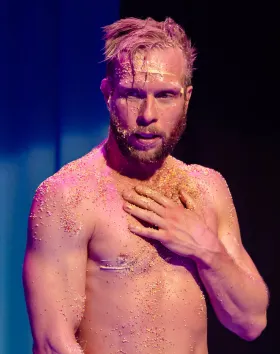
Joel Bray Dance
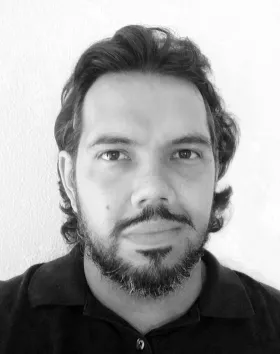
Jonathon Saunders
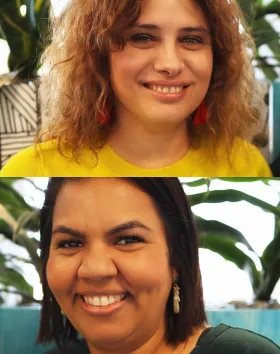
Kinya Lerrk
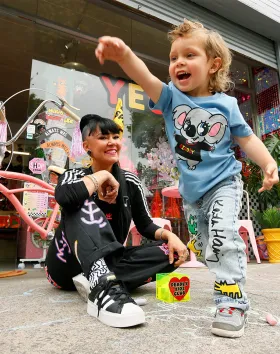
Haus of Dizzy
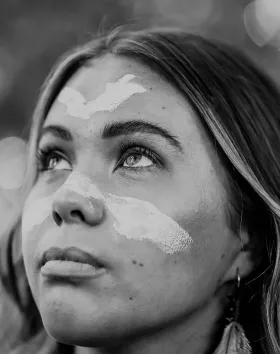
Maddy Hope-Hodgetts
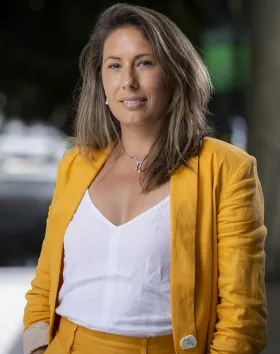
Nicole Monks, mili mili
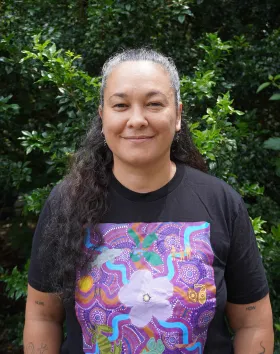
Mim Cole
Mob In Fashion
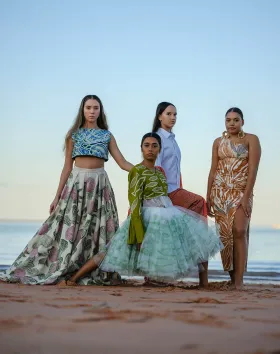
Kimberley Aboriginal Fashion Textiles Art (KAFTA)
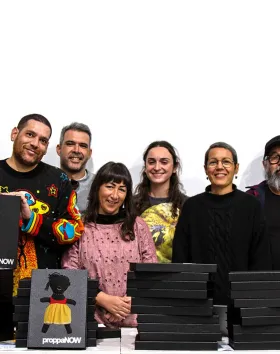
proppaNOW
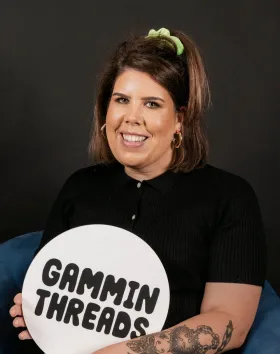
Tahnee Edwards, Gammin Threads
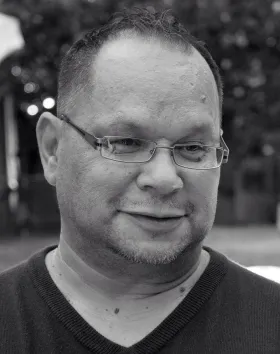
Troy Russell
Frequently asked questions
How many times can I apply?
You can only make one application for each funding round. This means you can apply for other Creative Australia funding rounds at the same time. For other funding opportunities, see this link.
Is this grant right for me?
If you are unsure if your project idea fits this funding round, please contact the Project Manager to discuss your vision.
What if my project starts before the starting date?
The Arts Business: First Nations Development Fund projects can commence on or after 1 June 2026 and must be completed within twelve (12) months from your proposed start date.
Creative Australia does not fund activities retrospectively. You may work on your project before then, but make it clear in your application that you are not seeking support for any stage of the project occurring before 1 June 2026.
Do I have to confirm creatives, partnerships, in-kind support, and venues?
It is best to confirm every creative artist or collaboration, partnership, source of cash or in-kind, or venue, at the time that you apply.
We encourage you to provide an independent financial contribution to your project, whether cash or in-kind.
Income can be your cash or a partner organisation’s cash contribution, box office tickets from a venue or event.
In-kind can be your own time and resources, administration work, and material donations and resources from partners and the community. In-kind still equates to a monetary value.
Please note: If there are too many unconfirmed elements of your proposal, the industry advisors may question its viability.
How do I make my application competitive?
Read and understand the guidelines and assessment criteria and respond with as much information as possible.
A competitive application may include:
- strong, articulated responses to the assessment criteria of quality, impact, and viability
- Sharing who you are, your background and artistry, and the rationale of why it is timely to do your projects now
- detailed activities timeline
- detailed budget breakdown of expenses and include in-kind contributions to increase your viability
- Strong support letters from industry networks and community members including confirmation of collaborations and partnerships.
Support Material may include:
- A basic business plan
- CVs and/or short biographies of key personnel
- financial documents such as recent financial statements (profit and loss, balance sheet) and evidence of other funding or income sources
- marketing and audience development plan, strategies for promoting your business or project, and plans for community engagement and audience growth.
- risk management plan, assessment of potential risks, and mitigation strategies.
- partnership agreements or memoranda of understanding of formal agreements with project partners or collaborators
- letters of support or endorsement from partners, collaborators, community leaders, or industry professionals
- samples of previous work, this can include images, video, audio files, or digital portfolios showcasing the quality and style of your work/business
- quotations of services.
How much detail do I need to add to my activity timeline and budget income and expenses?
The activities timeline and budget are opportunities to show how well you have planned your project, as this will be assessed under the assessment criteria - Viability.
Break down your budget in detail, so the industry advisors can evaluate how realistic your project budget is. Present large budget items in multiple lines and talk about the description next to each dollar ($) amount item.
Show each major project stage and milestone in your Project Timetable. This allows the industry advisors to see what your project plan timeline looks like, so they evaluate how achievable your objectives are.
What costs can I include in my budget?
Any costs that are directly related to your arts business proposal, can be added to your budget, this can include:
- staffing and wages
- market research
- financial advice or general/strategic business advice
- business mentoring
- compliance expenses such as the cost of any licences or registrations required
- insurance
- leasing of property for business purposes
- marketing, software, and website development
- materials associated to your business
Can I withdraw my online application after it has been submitted?
Yes, you can request that your application be withdrawn at any time up to the start of the assessment meeting. You will need to contact the Project Manager with your request, providing your six-digit application ID number.
How do I get in the talent pool for First Nations Industry Advisors?
If you would like to express an interest (EOI) in becoming an Industry Advisor, please speak to the Project Manager.

