

First Nations Arts d/Deaf and/or Disabilities Project Fund
Key dates
Applications close: Tuesday 13 October 2026 (3pm AEDT)
Notifications: December 2026
Activities commencing from: 1 February 2027
Please note: You must register for an account via the Application Management System, which may take two business days to approve. Please contact the First Nations Arts team to confirm your account has been activated.
Amount
Applicants can apply requesting amounts between $5,000-$10,000 AUD.
Need help with your application?
Contact:
Tammy Close
Project Manager, First Nations Arts and Culture
02 9215 9145
tammy.close@creative.gov.au
Easy Read versions
Easy Read Guidelines (PDF)
Easy Read Grant Questions (PDF)
Easy Read FAQs (PDF)
Access and Inclusion
National Relay Service
The National Relay Service is an Australia-wide telephone access service available to anyone who is Deaf or has a hearing or speech impairment.
Creative Australia uses the National Relay Service to increase access to our programs and services for people who are Deaf or have a hearing or speech impairment.
Visit the National Relay Service website to find out more information and register to use the National Relay Service.
Voice Relay number: 1300 555 727
TTY number: 133 677
Email: helpdesk@relayservice.com.au
Auslan Interpreter Service
Creative Australia can provide an Auslan Interpreter for application support meetings.
Please email FirstNationsArts@creative.gov.au with a request to book an interpreter at a suitable date and time for you.
The Interpreter Service is available throughout Australia, including in regional areas.
Please note: You must request the appointment at least one week before the application closing date. This is to make sure an interpreter is available.
About the opportunity
This initiative is part of Creative Australia’s First Nations First industry development programs in response to extensive community consultation on priorities and needs of the sector in response to Pillar 1, First Nations First – Revive, the Australian Government’s shared vision for Australia: a place for every story and a story for every place. These initiatives aim to elevate existing programs and deliver new funding that builds on a 50-year legacy of First Nations leadership and investment at Creative Australia.
First Nations Arts and d/Deaf and/or Disabilities Project Fund
First Nations Arts and d/Deaf and/or Disabilities Project Fund supports projects and professional development opportunities across all art forms, nationally and internationally.
It is open to:
- Australian First Nations d/Deaf artists and arts workers
- Australian First Nations artists and arts workers with disability
- Australian First Nations d/Deaf artists and arts workers groups
- Australian First Nations artists and arts workers with disability groups
- Australian First Nations organisations.
Eligibility
Who can apply?
Individuals/Groups must:
- Identify as First Nations
- Identify as d/Deaf and/or with disability
- Be 18+ years
- Be based in Australia.
Organisations must:
- Identify as Australian First Nations organisations:
- at least 51% First Nations on the board
- be known as a First Nations organisation that provides programs for First Nations communities.
- Demonstrate a history of working with and supporting Australian artists and/or arts workers who identify as:
- First Nations who are d/Deaf and/or with disability
- be based in Australia.
Applications must have:
- eligible funding amount requested ($5,000 - $10,000)
- eligible project’s start date is on or after 1 February 2027, and the end date must be completed within 2 years of your starting date.
Please note: You can only submit one application to this grant initiative.
Who cannot apply?
Individuals cannot apply if:
- you are not an Australian First Nations artist and/or arts worker who is d/Deaf and/or with disability
- you are not an Australian First Nations group of d/Deaf artists and/or arts workers.
- you are based outside of Australia
- you have received funding for the same project from Creative Australia
- you have an overdue grant report with Creative Australia
- you owe money to Creative Australia.
Organisations cannot apply if:
- you are not an Australian First Nations organisation
- you do not work with First Nations d/Deaf artists or arts workers, and/or artists or arts workers with disability
- you are based outside of Australia
- you have received funding for the same project from Creative Australia
- you have an overdue grant report with Creative Australia
- you owe money to Creative Australia.
What can be funded
Activities can take place nationally, internationally, online, or in a combination of in-person and online, and can include, but are not limited to:
- creation of new work
- creative development
- experimental arts
- practice-based research
- skills development
- mentoring
- residencies
- presenting and/or attending conferences and network opportunities
- research into access and inclusion best practice
- presentation and promotion
- collaboration
- productions
- exhibitions
- performances
- publishing
- music recording
- materials costs associated with a particular project/program.
Please note: Organisations can only apply for funding that supports projects that benefit working with First Nations artists who are deaf and/or with disability.
If you are not sure if your project is suitable for this round, please contact the First Nations Arts and Culture Team on: FirstNationsArts@creative.gov.au.
Protocols
Your application must comply with the following protocols (if applicable). We may contact you to request further information during the assessment process, or if successful, and a special condition is required as part of your funding contract.
Protocols for Using First Nations Cultural and Intellectual Property in the Arts
It is recommended to follow these protocols if your project involves working/collaborating/consulting with other First Nations artists, arts and culture workers, organisations, communities, or subject matter.
Resources:
- Protocols for using First Nations cultural and intellectual property in the arts
- Animation on how First Nations Cultural and Intellectual Property Protocols are used in assessments
Commonwealth Child Safe Framework
All successful applicants are required to comply with all Australian laws relating to employing or engaging people who work or volunteer with children, including working with children checks and mandatory reporting. Successful organisations that provide services directly to children, or whose funded activities involve contact with children, will additionally be required to implement the National Principles for Child Safe Organisations.
Assessment criteria
The First Nations Industry Advisory Panel identify as First Nations d/Deaf and/or with disability artists and/or arts workers that may represent each state, territory, and area of artistic and cultural expression. This may include music, dance, visual arts, theatre, literature, experimental arts, and community arts and cultural development.
The First Nations Industry Advisory Panel will review and score eligible applications against the assessment criteria, attend an assessment meeting to discuss the applications, resulting in the recommendation of the top applications to be funded. The recommendations will be provided to the Executive Director, First Nations Arts and Culture to approve.
Under each criterion are bullet points indicating what Industry Advisors may consider when assessing your application. Your answers to the questions do not need to respond to every bullet point mentioned below; please speak only to the bullet points that are relevant to your project.
Project Quality
The Industry Advisory Panel will be looking for:
- a clear project vision, purpose, and outcome
- the artist/group/organisation to demonstrate that they have the skills and experience to deliver the project
- the quality of artistic works previously created or produced by the applicant/group/organisation or people involved in your project
- examples of how your project meets the access needs for your community or targeted group.
Project Impact
The Industry Advisory Panel will be looking for:
- the artist/group to demonstrate what the benefits this project will have on their artistic/cultural practice and skills, professional and career development
- the organisation to demonstrate the benefits of this project will have working with First Nations artists or arts workers who are deaf and/or with disability in support of their artistic practice, skills, and career development.
Project Viability
The Industry Advisory Panel will be looking for:
- realistic and achievable timeline
- realistic and achievable budget which speaks to the:
- project costs
- other income, such as in-kind support
- relevant letters of support and/or confirmation from both First Nations and disability artists and/or organisations, such as:
- Elders
- mentors
- community
- evidence that the Protocols for using First Nations Cultural and Intellectual Property in the Arts have been adhered to (if applicable).
- organisations should demonstrate and evidence:
- a Disability Access Plan (DAP)
- strong record of working with First Nations people with disability.
Assessment questions
Your responses to the Project Quality, Project Impact, and Project Budget questions can be submitted as:
- written responses (provided in the comment boxes)
- video responses (provided as a URL or MP4 format)
- audio responses (provided as a URL or MP3 format).
Please provide the title of your project (100 characters or less)
Please provide a short summary of your project (800 characters or less)
About you: Tell us about your artistic practice, career development, highlights, and key achievements.
Project Quality
- What are the key steps involved and the outcome of the project? How has access been factored into the overall design of the project?
Project Impact
- For Individuals: Tell us about this project's significant impact on your artistic practice, skills, and career development.
- For Organisations: Tell us about this project’s significant impact on your organisation and the First Nations d/Deaf artists or arts workers, or artist or arts worker with disability’s artistic practice, skills, and career development.
Project Viability
- Are you working with other artists or creatives?
- Are you working with other partner organisations as part of this project?
Activity Details
To be eligible for this funding initiative your project start date must be on or after 1 February 2027, and the end date must be completed within 2 years (or, 24 months) of your starting date.
For example, start date - 1 February 2027 and end date – 1 February 2029.
Your Activity Timeline should include:
- dates/activity, title and description, location/state, confirmed (yes/no)
Please note: Break down your activities as much detail as possible.
Your Budget
Your project budget should include:
- Income and in-kind support (Income and in-kind are optional for individuals and groups)
- Expenses
Please note: Break down your budget costs as much as possible.
Support material
Individuals/Group support material may include:
- samples of artistic and or cultural work, past and present
- short bios of artists and creative team
- letters of support/confirmation may include:
- creatives to confirm their support and/or collaboration in the project
- partnerships to confirm their support and/or collaboration in the project
- communities confirming their support and/or collaboration in the project
- First Nations Elders to confirm their support and/or collaboration in the project.
Organisations' support material may include:
- Disability Access and Inclusion Plan (DAIP) for organisations
- samples of programs past and/or present, that evidence that you have worked with First Nations artists and/or cultural workers who are d/Deaf and/or with disability
- short bios of artists and/or cultural workers who are d/Deaf and/or with disability that you will be working with as part of the project.
- letters of support/confirmation from:
- artists and/or cultural workers who are d/Deaf and/or with disability confirming their support and/or collaboration in the project
- partnerships to confirm their support and/or collaboration in the project
- communities confirm their support and/or collaboration in the project
- First Nations Elders to confirm their support and/or collaboration in the project.
Ways of providing your support material
- Our preferred method of receiving support material is via URLs (weblinks).
- You can provide up to three URLs (weblinks) that link to content that is relevant to your project activity. This may include video, audio, images, or written material.
These URLs can include a total of:
- 10 minutes of video and/or audio recording
- 10 images
- 10 pages of written material.
Please note: If you are linking to media files that are private or password-protected, like Vimeo, please provide the password in the password field on the application form.
Other accepted file formats:
- If you cannot supply support material via URLs, you may upload support material to your application in the following formats:
- video (MP4, QuickTime, and Windows Media)
- audio (MP3 and Windows Media)
- images (JPEG and PowerPoint)
- written material (Word and PDF).
Please note: We do not accept application-related support material submitted via post. Application-related material received by post will not be assessed and will be returned to the sender.
If you think you will have difficulty submitting your support material online or need advice on what type of material to submit, please contact the First Nations Arts and Culture Team on: FirstNationsArts@creative.gov.au.
How to apply
Are you registering to use our Application Management System for the first time? Make sure you register well before the closing date. It may take up to two business days to process your registration.
Once you have logged in, follow the next steps:
- select ‘Apply for a Grant’ from the left grey panel menu
- from the list of opportunities select 'First Nations Arts and d/Deaf and/or Disabilities Project Fund
- complete the fields and select answers with dropdown menus
- select ‘Save’ as you work through the application
- if you are not ready to submit your application, you can return to it through ‘Your Draft Applications’ in the left panel menu at a later date
- when complete, please select ‘Submit’.
After you apply
- Once you submit your application, we will send you an email acknowledging that we have received your application.
- After we receive your application, we first check that it meets the eligibility criteria for the grant or opportunity to which you are applying.
- Applications to our grant programs are assessed by arts practice peer panels using the published assessment criteria for the relevant grant program.
- We aim to notify you of the outcome of your application no later than 13 weeks after the published closing date for the grant round.
Successful applications
- Once all applications have been assessed, you will be contacted about the outcome of your application.
- If you have been successful, you will also be sent a funding agreement. This outlines the conditions of funding, how you will be paid, and your grant reporting requirements.
Unsuccessful applications
- If your application is unsuccessful and you would like to request feedback, please contact the First Nations Arts and Culture Team on: FirstNationsArts@creative.gov.au
2026 Fund recipients
The Aboriginal Regional Arts Alliance NSW Aboriginal Corporation (ARAA)
The Aboriginal Regional Arts Alliance NSW Aboriginal Corporation (ARAA) is an Aboriginal owned and led arts organisation dedicated to strengthening and celebrating First Nations arts, culture, and creative industries across regional and remote New South Wales. Through strategic partnerships, advocacy, capacity building, and culturally grounded programs, ARAA empowers Aboriginal artists, arts workers, and communities to thrive through self-determination and cultural leadership. ARAA is committed to creating sustainable pathways for Aboriginal creatives while fostering connection, visibility, economic opportunities, and cultural pride across the sector.
Project title: Here Now & Always: Inclusive Access
Here Now & Always: Inclusive Access will embed meaningful access and inclusion measures into our Here Now & Always Event. The project will support First Nations d/Deaf artists and artists with disability to fully participate in the program through the provision of AUSLAN interpreting for key public events and artist talks, closed captioning for selected recorded content, and the introduction of low-sensory access options. A dedicated access support role will assist artists, arts workers and audiences with access needs throughout the event. These initiatives will strengthen inclusive cultural practice, remove participation barriers, and ensure First Nations artists are supported, visible and valued within regional cultural spaces.
Brianna McCarthy
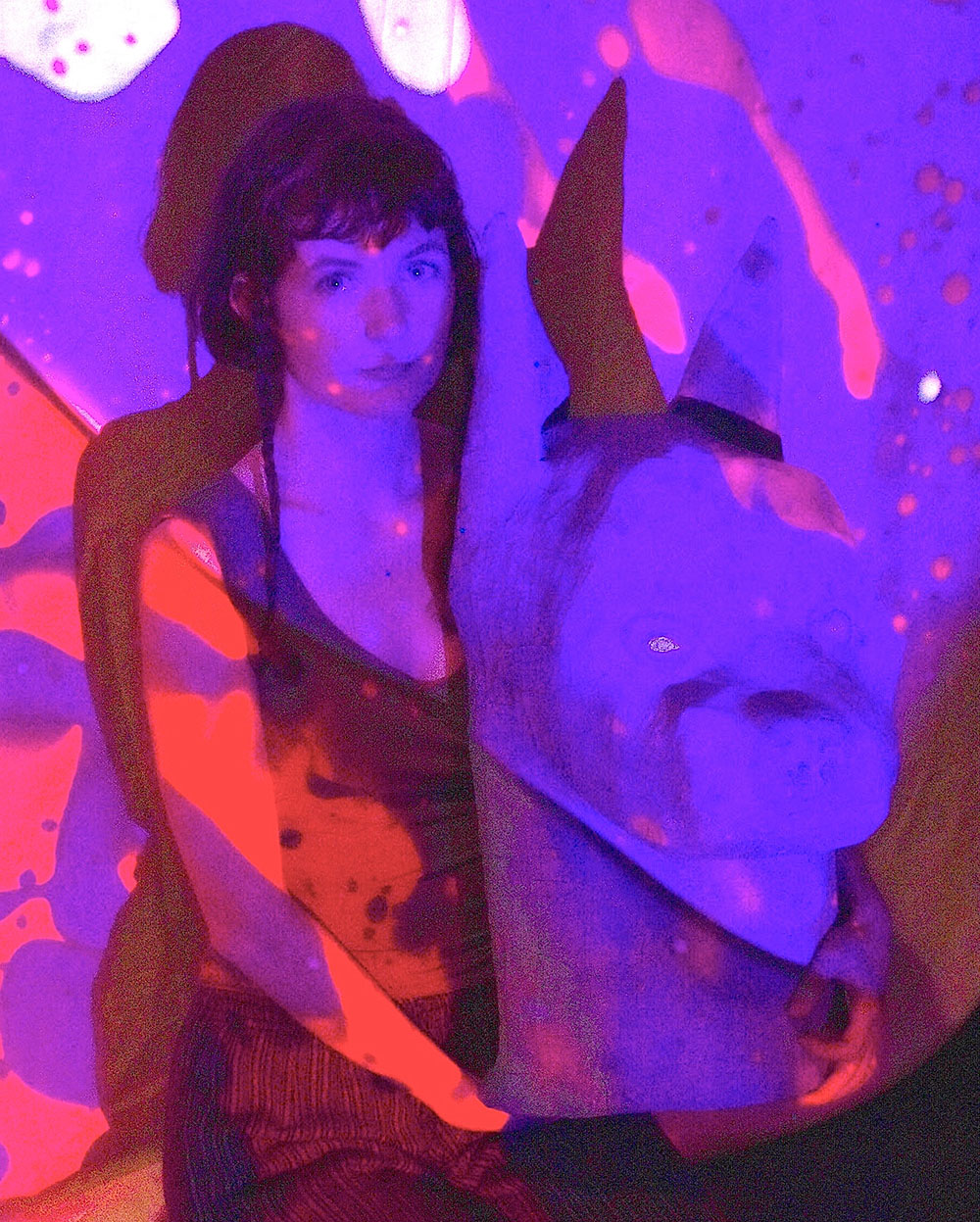
Bria McCarthy creates art for theatre, literature, film and education, specialising in experimental puppetry. She created the ‘Shadow House’, a textile sculpture shown at the Art Gallery of NSW and the National Museum of Australia. She was the recipient of the 2024 Wear it Purple Foundation Grant with her new puppet show in development and her solo show ‘Dragon Hearts’ won the 2023 Sydney Fringe Award for Best Emerging Artist. She was the 2022 ACE Indigenous Artist Resident, and her debut manuscript was shortlisted for the 2022 Text Prize. She is an autistic artist with Wiradjuri and Irish heritage. Her work is characterised by an emphasis on multispecies storytelling, neurodivergent imagination, and it is always a little magical.
Project title: Altitude Exhibition - Animal Dreams
Animal Dreams is a multi-sensory, immersive performance and installation project exploring the dreamscapes of animals through puppetry, poetry, and interactive sculpture, asking the question 'What do animals dream of?'. Created by Aboriginal artist Bria McCarthy, the project combines playful, and sensory-friendly experiences, inviting children, neurodivergent audiences, Aboriginal communities, and local participants to engage with multispecies perspectives, imaginative storytelling, and participatory creative practices. The work will be presented at the Blue Mountains Cultural Centre through the Altitude program, supported by curator Hayley Zena-Poynton, and includes workshops, gallery-based installations, and live performance.
Photo: Geneva Valek
Darwin Aboriginal Art Fair Foundation (DAAF Foundation)
The Darwin Aboriginal Art Fair Foundation (DAAF Foundation) is a First Nations not-for-profit with a membership of 90+ Art Centres and peak bodies. DAAF Foundation exists to support the promotion, protection and preservation of Aboriginal and Torres Strait Islander culture and art, annually delivering the Darwin Aboriginal Art Fair, Country to Couture and National Indigenous Fashion Awards. Through this work, DAAF Foundation seeks to ensure Aboriginal and Torres Strait Islander arts and cultures are strong and celebrated. DAAF Foundation is thrilled to continue to implement its Disability Inclusion Action Plan, incorporate learnings from 2024 and 2025, and deepen engagement with First Nations people living with disability.
Project title: Darwin Aboriginal Art Fair Foundation: Disability Access and Inclusion Plan
In 2026, the Darwin Aboriginal Art Fair Foundation will strengthen accessibility across its major events to better support First Nations artists and audiences who are deaf and/or living with disability. Building on 2025 learnings, the project will hire more wheelchairs, create an at event accessibility desk, secure local Auslan interpreters, implement sunflower lanyards for hidden disabilities and hire an additional Accessibility Liaison to better support accessibility requests. DAAF Foundation will continue to offer the low-sensory Accessibility Hour at DAAF and provide staff and volunteer training. The initiative will improve physical access and communication at events, increasing participation and confidence for First Nations people and the broader disability community.
Darwin Community Arts
Mudul-ma Collective includes around 8 Northern Territory First Nations artists from Free Space Studio at Darwin Community Arts. Mudul-ma refers to the Larrakia word for the mangrove habitat which is geographically and thematically close to the collective and their conceptual interests. Many of the Mudul-ma collective have been practicing with Free Space Studio since inception 11 years ago. Mudul-ma artists have participated in significant exhibitions, prizes, public art projects and commissions within their home on Larrakia country and beyond, warranting the need for their own collective and artistic development opportunities. Mudul-ma Collective is dedicated to developing the individual professional trajectories of these artists as their career progresses, employing an artist-led orientation through creative projects in public art, interdisciplinary mediums, multi-media, textiles and technology.
Project title: Mudul-ma Collective x Qubit Incubator Project 2026
This project will see artists with disability Donovan Mota (Katherine), Roger Yambeing (Yolngu) & Warren Garrawitja (Milingimbi) exhibit together for the first time, developing a multi-sensory experimental art exhibition of digital, installation, audio and hung works at Qubit Incubator in Darwin CBD. All three artists are part of Mudul-ma Collective - a collective formed from the First Nations artists of Free Space Studio, the D/deaf and disabled artists program at Darwin Community Arts. This is Mudul-ma's first invitation to exhibit at Qubit, a regional social enterprise dedicated to technology, accessibility and art.
Artists will develop digital drawings, installations, projections and soundscapes with facilitators to create an unprecedented and accessible exhibition.
Dylan Voller
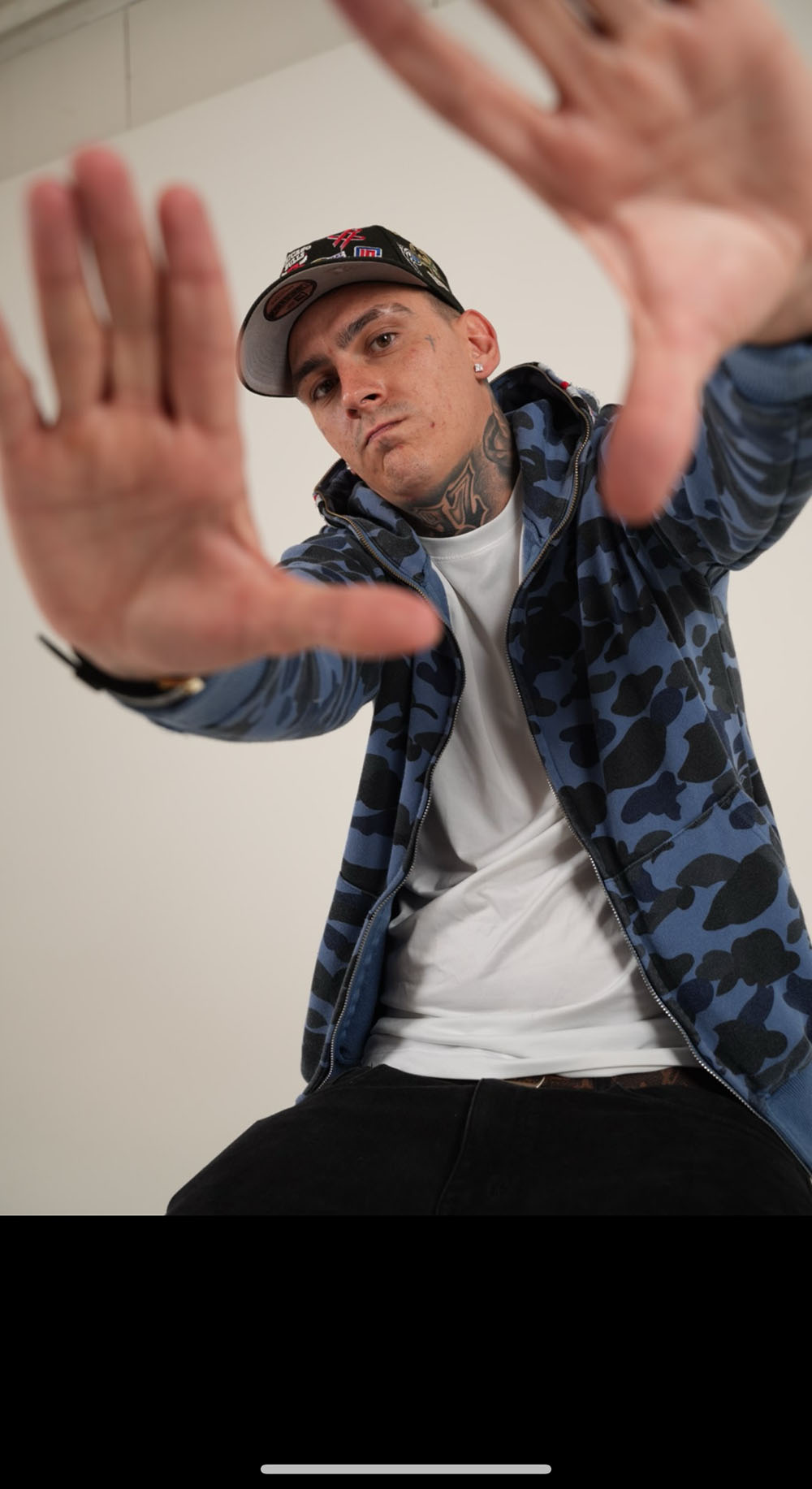
Dylan Voller is an Indigenous hip hop artist from Alice Springs now based in Sydney. In and out of juvenile detention since 11, he became known nationally when images of his criminal mistreatment in Darwin’s Don Dale Youth Detention Centre sparked a royal commission into the treatment of youth in child protection and juvenile justice systems.
His music speaks plainly about the ongoing mental health complications of his traumatic experiences in government care and the injustices of incarceration and the problems of the criminal justice system, and his struggle and mission to rise above a broken system that continues to hold him and many others back.
Project title: STILL STANDING
Funding will support the creative development of five new songs to complete his first EP 'STILL STANDING'. The songs will mark the growth of his practice and artistry, still spitting stories of truth and advocacy. The project will be delivered in 12 months in collaboration with music producer Martin Green.
Edoardo Crismani
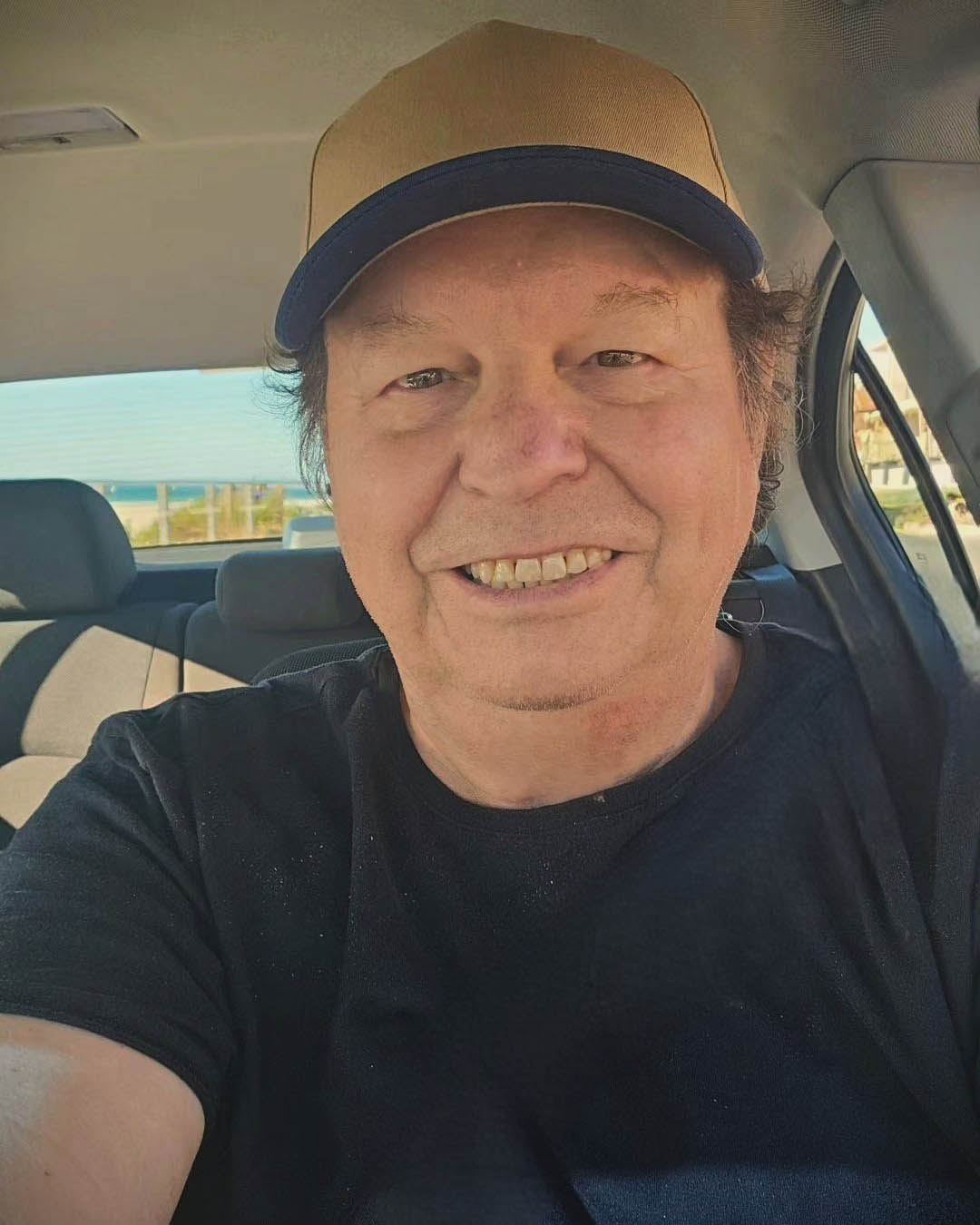
Edoardo Crismani is a Wiradjuri writer, filmmaker, and singer-songwriter living on Kaurna Country in South Australia. He works across film, literature, and music, creating stories that explore identity, memory, resilience, and belonging. He wrote and directed the documentary The Panther Within and won the 2025 David Unaipon Award for his novel Finding Billy Brown. His lyrics and stories flow through everything he creates, from his novels and short films Black to his original songs. He is currently developing an acoustic rock catalogue that blends emotional storytelling with lived experience and interconnected narrative worlds.
Project title: Song development for a 22-song First Nations music catalogue
This project supports a focused period of songwriting development across my catalogue of 22 original songs. Through dedicated time, access-led pacing, rehearsal room testing, and structured creative development, I will refine lyrics, melody, arrangements, keys, tempos and performance delivery, and identify the strongest songs for future professional recording. Outcomes will include a sharpened shortlist, working song drafts, lyric and arrangement notes, and a clear development package that supports the next stage of producer-led recording. This project is distinct from any later recording stage and is designed to strengthen my artistic process, confidence, and readiness as a First Nations songwriter.
Elijah Augustine
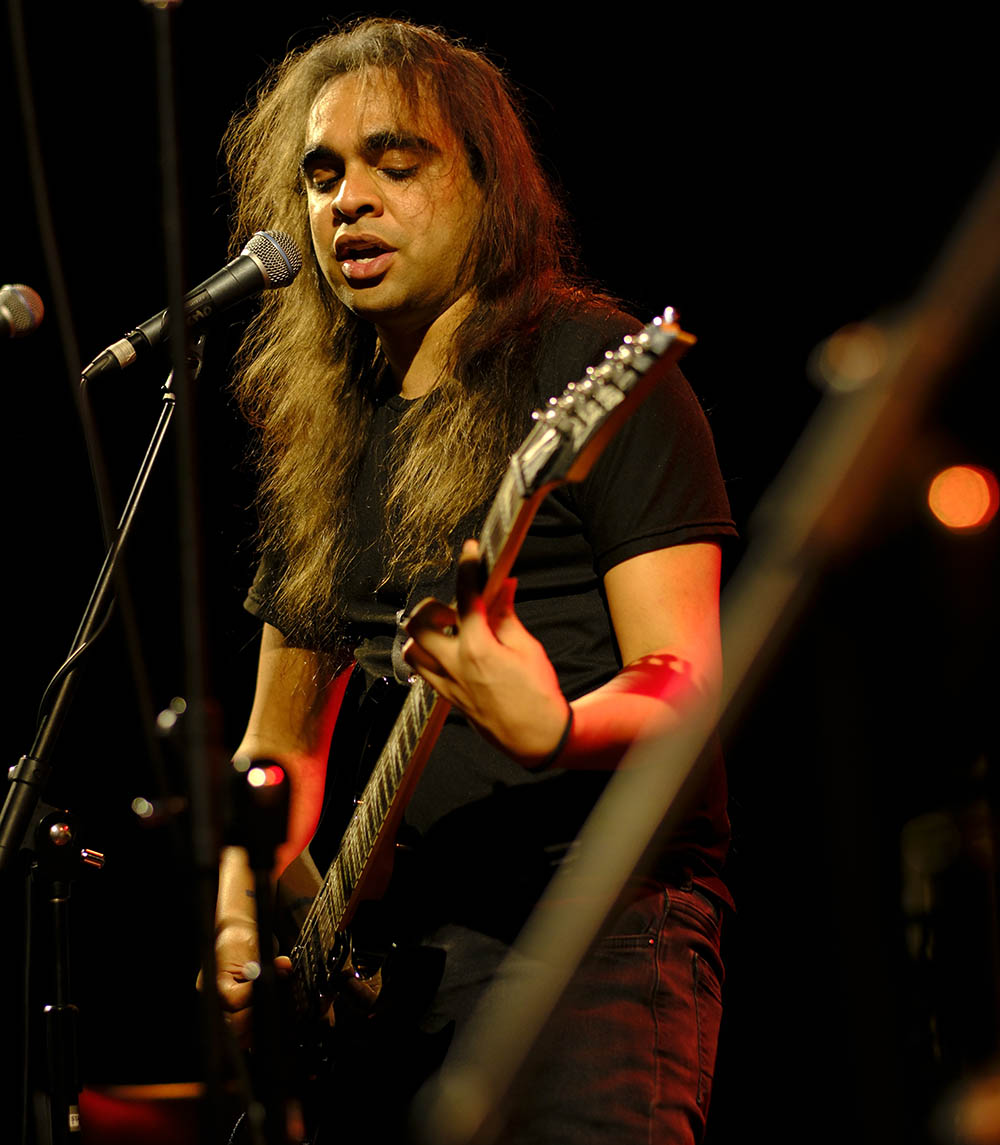
Elijah Augustine is a proud Nyul Nyul, Jabirrjabirr, Ngumbarl and Djugun (Saltwater mob) guitarist, singer, songwriter and radio DJ from north of Broome, Western Australia, and now based in Naarm. Elijah has performed with some of the country’s finest musicians including No Fixed Address, Coloured Stone and Kultcha Edwards. Elijah’s music is entwined with a deep and personal sense of social justice, writing songs that speak of the value and importance of language, Country and culture. Coming from a lineage of peoples who are speaking their truth, Elijah is a great ambassador for his mob.
Project title: My Lyan - My Feelings, In My Language
This project supports the first stage of emerging First Nations musician Elijah Augustine’s debut professional album. Elijah will create and record ten original songs, developing his skills in composition and audio production with mentoring from industry professionals and an established First Nations artist in a culturally safe and accessible studio environment.
Photo: Andrew Chapman OAM
Helen Goudie AKA Samia Goudie
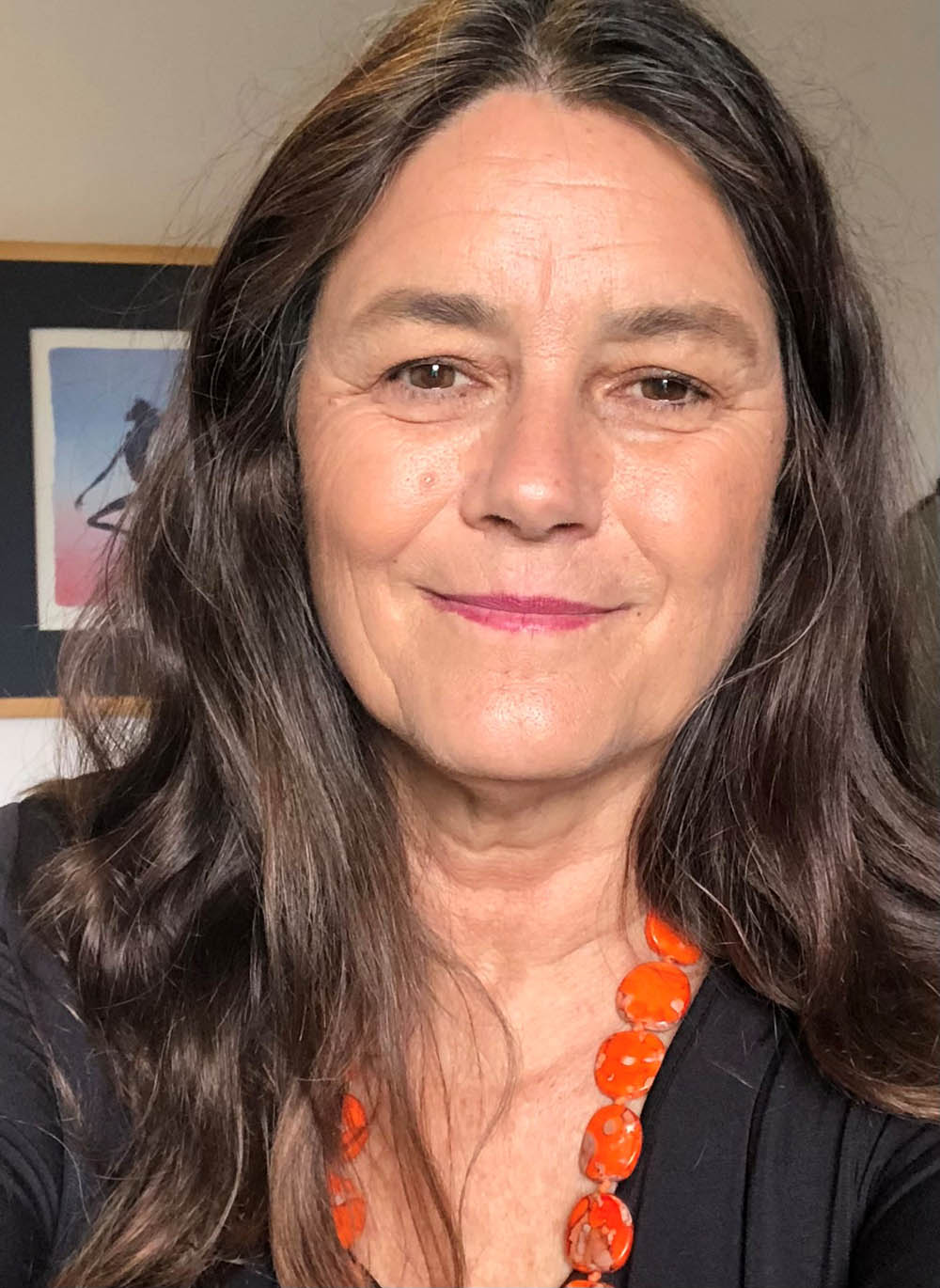
Samia is a Queer Aboriginal woman. She was removed from her family who are from Githabul/Bundjalung country and grew up on Ngunnawal and Ngambri country where she now lives and writes.
Samia’s writing can be found in journals, anthologies, film, digital stories and online publications. Samia’s writing reflects her love of country, her lived experiences, and speaks to historical injustice’s and current social and political issues.
Samia’s works have been published in Southerly, IWP Iowa Press, Wakefield Press, Norton and Norton, 3CCmedia journal, AIATSIS Press, Too Deadly: Our Voice, Our Way, Our Business, (2017), Kurracca, (UsMob+- writers anthology), Running Waters Press, (2023), Giant Steps (2019), What We Carry (2020), Recent Work Press, Rutledge Press, Cordite, Westerly and Denver Quarterly, Australian Poetry Press (2024), and Mascara journal.
She won the Inaugural Aunty Kerry Reed Gilbert poetry prize, (2020), a Varuna First Nations Fellowship, (2025), and has been highly commended for a number of other poetry and literary awards.
Project title: TIDAL Memoir: An Adopted Aboriginal woman travels home after her mother death to connect with Country.
Samia is writing a memoir and wants to ground this work by returning to her birth mother's home on Bundjalung and Githabul country. Her aim is to reflect on the intergenerational threads that run throughout her writing and to ensure her memory and efforts bring integrity to truth telling. She will visit kin along the way to ensure people and country have a voice in the stories she shares. She intends to listen deeply, visit and research historical events, and undertake cultural obligations. In 2020 she became disabled and her mother passed. Her memoir is a work of ceremony that recognises the power of country and that stories live in places. To do this discreet work of her last chapters, she need to be there. Secondly, she wishes to pay an editor for help to read and prepare the final draft for submission to publishers.
Malla Community Arts Aboriginal Corporation
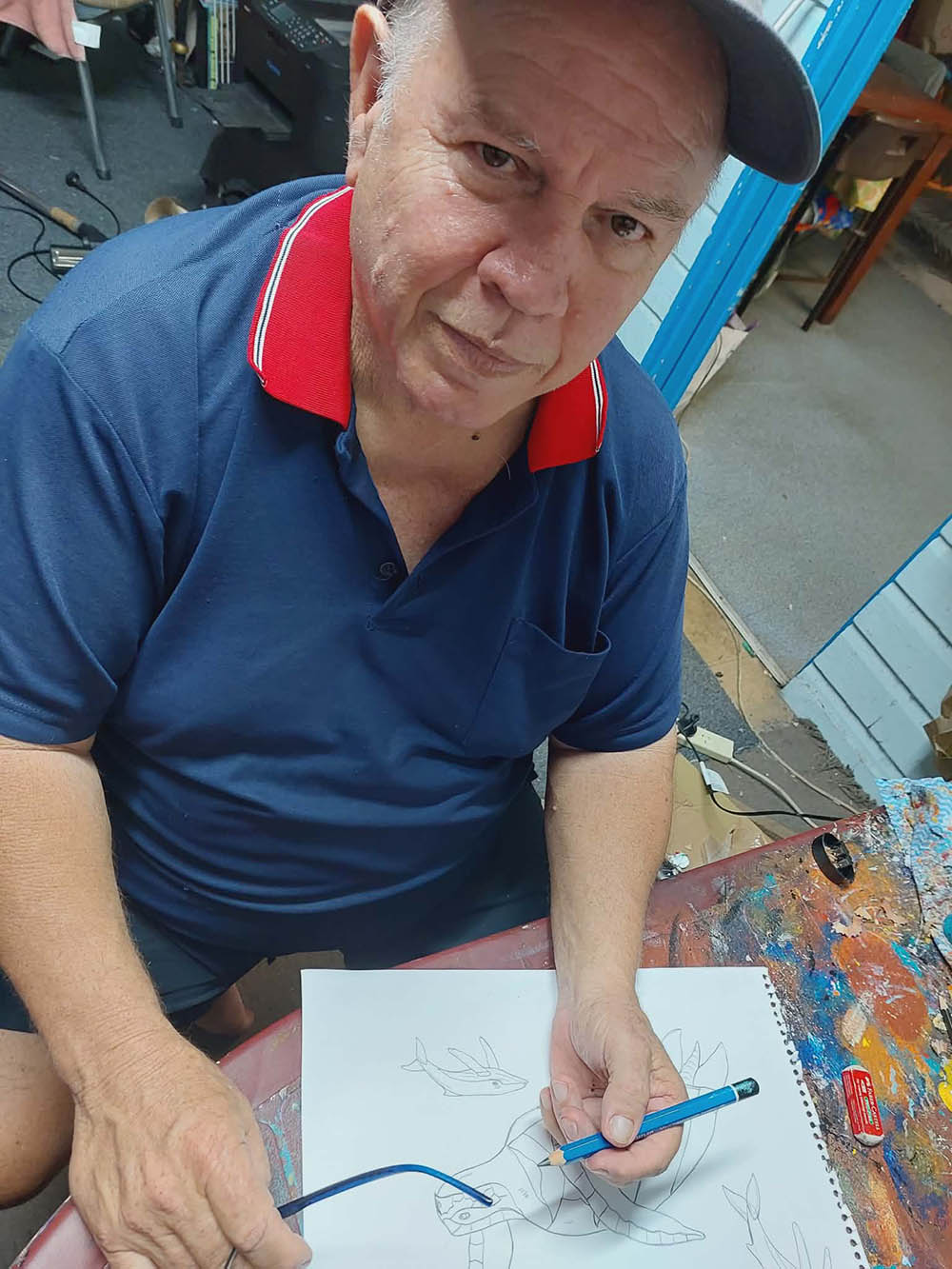
Malla Community Arts Aboriginal Corporation is a First Nations led arts organisation based in Far North Queensland, dedicated to cultural storytelling through visual art, wearable design, digital media, and community engagement. Led by Jordan Oliver alongside senior Aboriginal artist Dale Oliver, the organisation supports the preservation and sharing of First Nations knowledge, lived experience, and artistic practice through culturally respectful and community focused projects that empower Indigenous voices and celebrate contemporary Aboriginal creativity.
Project title: Access-Led Cultural Art Practice: Dale Oliver
This project supports access-led creative development for First Nations cultural artist Dale Oliver, who lives with a long-term non-visible disability that has significantly limited his capacity to participate in standard employment for many years. Delivered by Malla Community Arts Aboriginal Corporation, the project is designed around flexible scheduling, short creative sessions, and locations with immediate access to amenities, enabling safe and sustained artistic practice. The project focuses on the development of new cultural artworks using low-intensity, seated methods and access-adjusted materials. This approach places access at the centre of the creative process, supporting dignity, autonomy, and cultural authority while strengthening disability-inclusive First Nations arts practice.
MJ Anderson-Hyde
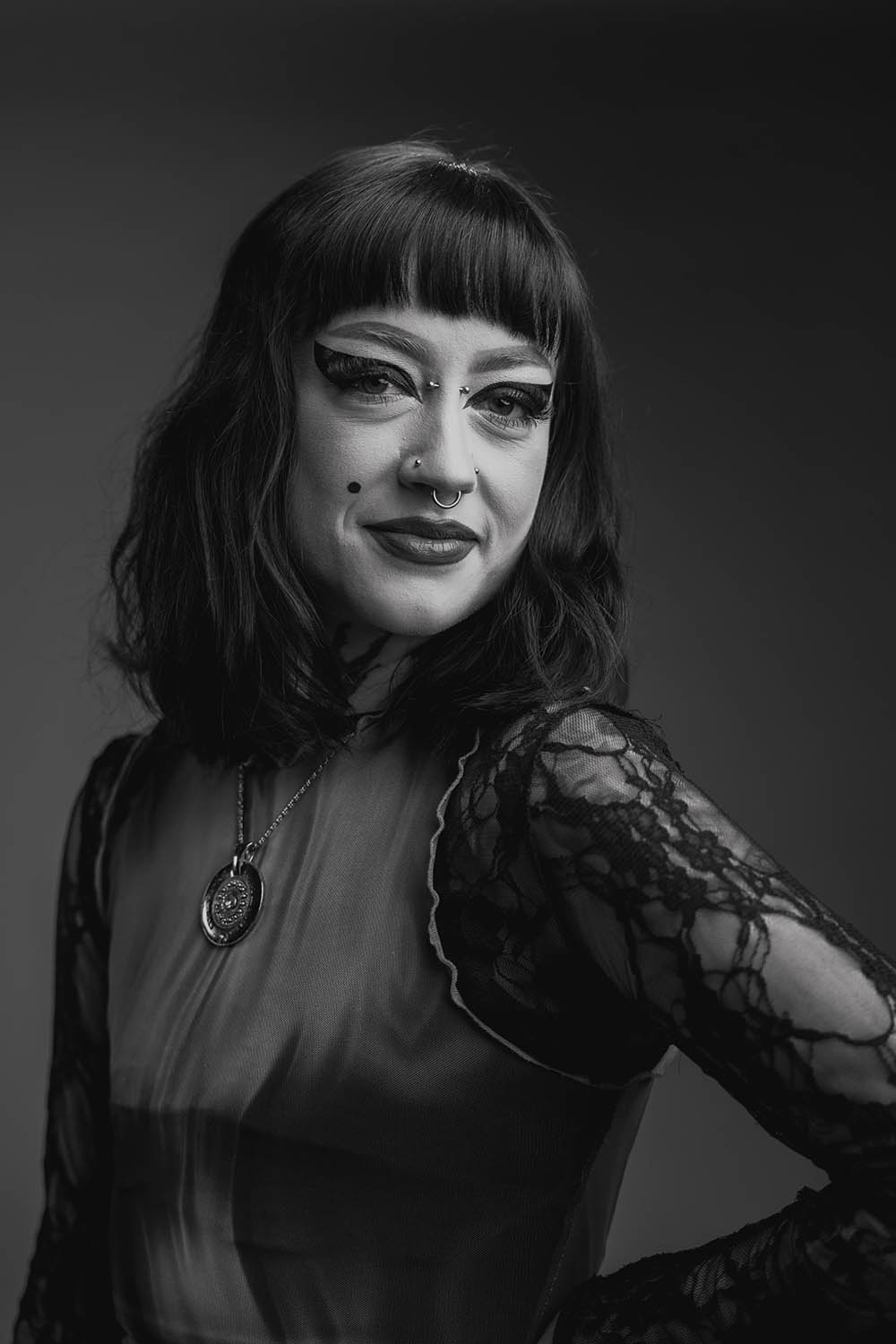
MJ is a non-binary, Disabled, Aboriginal, Kiwi and queer performance artist, dancer and creative. They work and mentor in areas such as dance, movement, drag/burlesque, theatre, producing, directing, devising, dramaturg, choreography, workshops and writing.
Their performance work encompasses a range of styles, including physical theatre, performance art, movement and dance, as well as drag, burlesque and theatre. Their craft aims to display real and raw expressions, telling powerful stories through representation and truth-telling, as well as making it accessible from a community perspective. They are passionate about advocacy, destigmatisation and inclusivity in the arts.
Project title: Vestige
Vestige is a movement-based theatre production which is created, written, directed and developed by MJ. They also have a small team of people who have agreed to contribute to the project.
"The performances delve into the complex dynamics between characters, navigating the emotional and psychological scars they carry from past experiences and how their pain affects one another. Through raw, physical storytelling, Vestige paints an intimate picture of the damage this cycle causes and calls for dismantling these patterns, whilst embracing vulnerability as a pathway to healing, both individually and collectively. At its core, this project is a journey of self-discovery and reconciliation that challenges the audience while being a relatable story with the essence of hope."
Uncle Paul Calcott
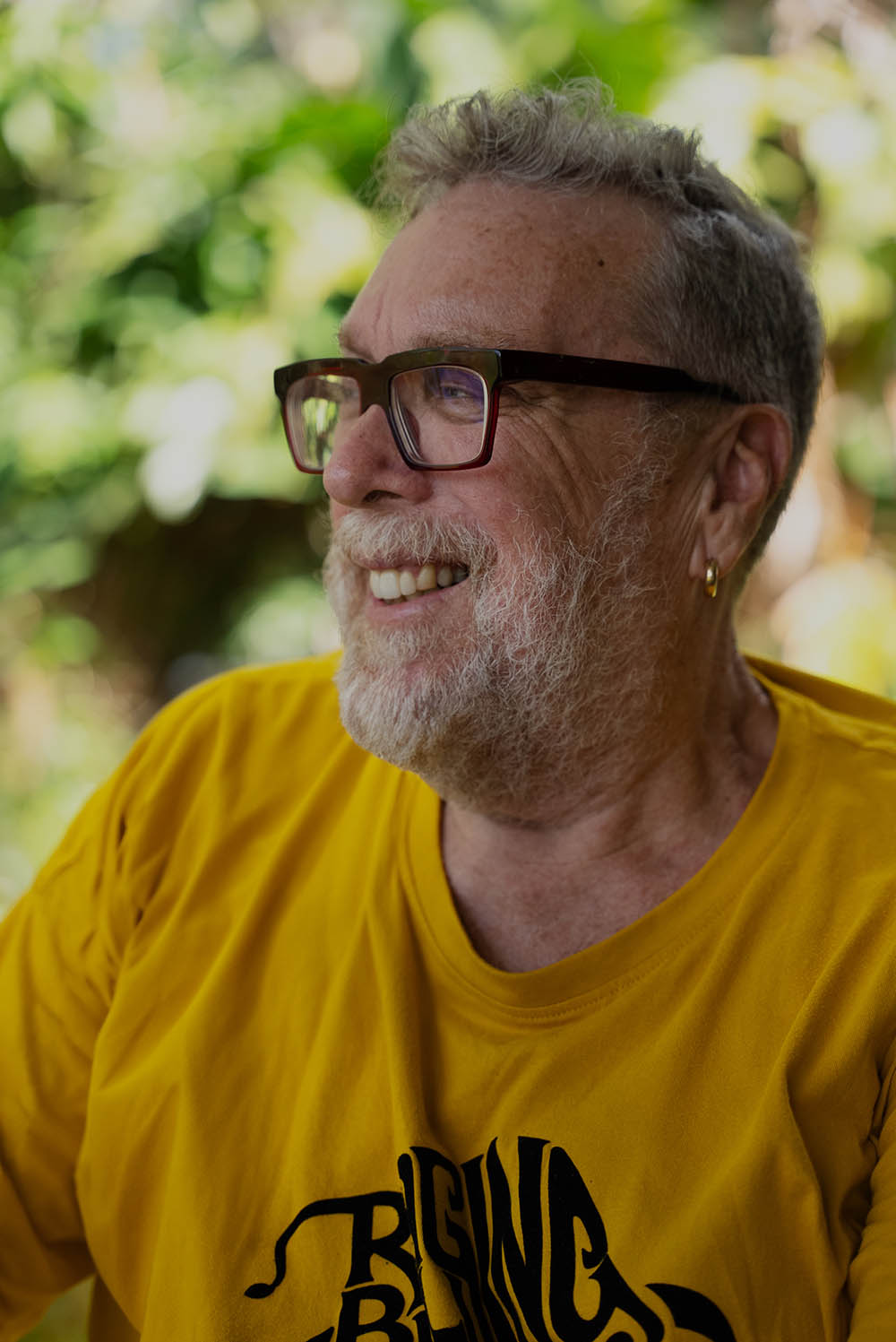
Uncle Paul Calcott is a proud descendant of the Wiradjuri peoples from central NSW, through his father and grandmother, who was born near Bathurst. He contracted polio at the age of 18 months back in 1960, and this is what has driven him as an advocate for his community around disability rights. Uncle Paul Calcott is recognised as a Community Elder with 40 years experience in working in disabilities, and sits on the Murri Court on the Sunshine Coast. Uncle Paul is a renowned Australian artist who has lived with a degenerative disability after he contracted polio when he was 18 months old. As a proud Wiradjuri man growing up with disability and a member of the LGBTIQ+ community, he has first-hand experience of how intersectionality can lead to marginalisation and discrimination.
A long-time advocate for Aboriginal and Torres Strait Islander people with disability, Paul is passionate about supporting Australia's First Peoples living with disability who are LGBTIQ+. He advocates for more culturally appropriate programs and activities for people with disability and facilitates a local art group of First Peoples artists living with disability using traditional art and storytelling to raise awareness around issues such as health, social isolation, economic participation and resilience building. In 2019, his art group held an exhibition at the United Nations in Geneva called 'Culture is Inclusion' and in 2017 spoke at the United Nations Headquarters in New York regarding LGBTIQ+ First Nations Peoples living with disability and the intersectionality between them. In June 2024 he attended the Council of State Parties Conference, on the United Nations Convention on the Rights Of People with Disability at the United Nations Head Quarters in New York, along with members of the NuunaRon art group and Mob4Mob, where he did a number of presentations on Disability rights from a First Nations perspective and presented art work by First nations artist with disability.
He recently attended the Asia Pacific Disabled Peoples Assembly held in South Korea as a key note speaker, and along with members of the NuunaRon art group, held an exhibition of 11 artworks at South Korea Parliament house, along with disabled artists from multiple Asia Pacific countries. He was commissioned to develop the artwork for the Paralympics committee RAP, and design the logo to be used for promotion in 2032. Elements of this artwork are already being used in promotional material. Uncle Paul sees the Paralympians as true role models for the resilience of people with disability and modern day warriors.
Project title: NuunaRon Art Group Mentoring First Nations Artists with Disability
This creative arts workshop aims to offer a culturally safe environment for up to six First Nations artists living with disabilities, providing mentorship in visual arts and storytelling. Participants will develop a collaborative artwork that embodies the United Nations Declaration on the Rights of Indigenous Peoples from the perspective of First Nations individuals with disabilities.
An initial session will introduce participants to the principles of UNDRIP, followed by weekly group meetings to progress the project. The workshop will be facilitated and mentored by Uncle Paul Calcott, who is highly regarded for his work in arts and disability, and has extensive experience delivering initiatives focused on human rights for First Nations people living with disabilities.
Sarah Lane: The Lanes
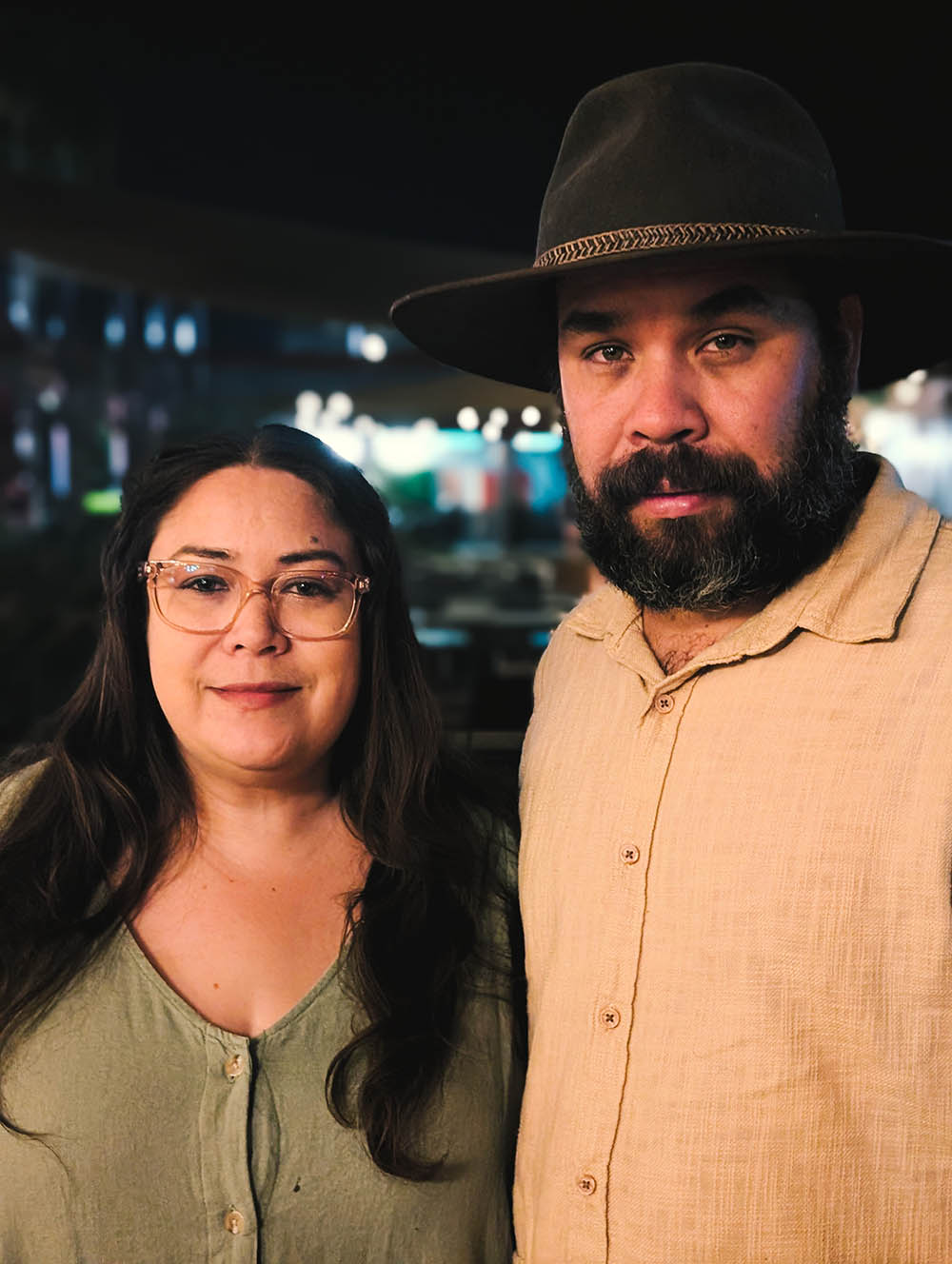
The Lanes are a First Nations folk-country acoustic duo from North Queensland, bringing together over 20 years of live performance experience each. Their music celebrates country, family, and community through heartfelt harmonies, storytelling, and acoustic-driven songs inspired by connection to land and culture. Blending contemporary folk-country influences with authentic lived experience, The Lanes create warm, inclusive performances suited to festivals, community events, and intimate venues. Their work reflects resilience, heritage, and everyday Australian life, creating meaningful connections through music. The duo are currently developing new original material and expanding their presence within the Australian folk-country music scene.
Project title: The Lanes Stories EP
The Lanes Stories EP is a recording project led by The Lanes, co-led by disabled First Nations artist Sarah Lane. Disability leadership is central to the creative vision, shaping process, pacing and storytelling. The project will take place over five days at Mount Kauri Studio in Atherton with engineer Mark Myers, producing a professionally recorded EP grounded in lived experience and intergenerational narrative. The residency model supports sustainable, artist-led practice while advancing visibility and career development for a disabled First Nations artist in regional music contexts.
Sharleigh Crittenden
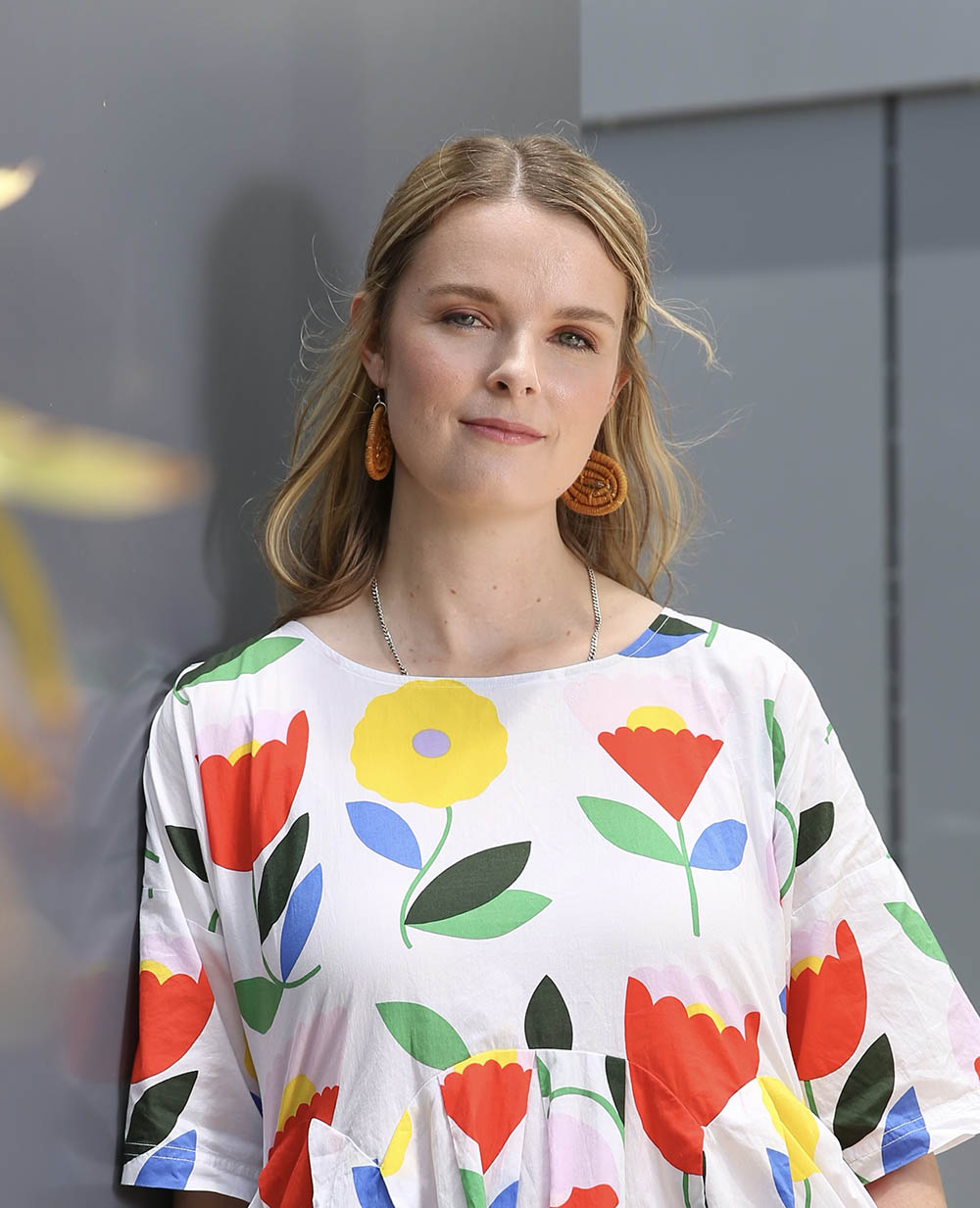
Sharleigh Crittenden is a Wiradjuri writer of essays, poetry and fiction. Her work regularly explores complex grief, disability and chronic illness, and motherhood. Her writing has been recognised in shortlists and prizes, including the inaugural First Nations Storytelling Prize (2023), the Short But Deadly Flash Prize (2024) and the Nakata Brophy Poetry Prize for Young Indigenous Writers (2024). Sharleigh’s debut novel manuscript, a work of literary fiction, was awarded a Magabala Creative Grant (Magabala Books) in 2023 and a First Nations Fellowship (Varuna) in 2024. Her recent work is published in Island, The Suburban Review, Portside Review and The Rumpus.
Project title: Developing Children of Crows for Publication
This project involves the next stage of development, consisting of intensive editorial work undertaken in collaboration with Sharleigh's publisher, for her debut literary fiction novel titled Children of Crows, which is contracted to Magabala Books and scheduled for publication in 2027.
She is seeking funding to pay herself artist fees, to be used as a wage subsidy which, as a disabled writer with caring responsibilities for two young children under age 7, will enable her to reduce her paid work commitments and create protected work time as the novel progresses through the publishing process. She is also seeking funding to purchase accessibility materials to assist with focus deficit.
Photo: Portrait of The West Australian Best Australian Yarn Competition Entrant Sharleigh Crittenden who is one of fifty Finalists photographed in tne Sydney CBD. Sydney. November 9, 2023. Photograph by James Alcock / West Australian
Skye Cusack
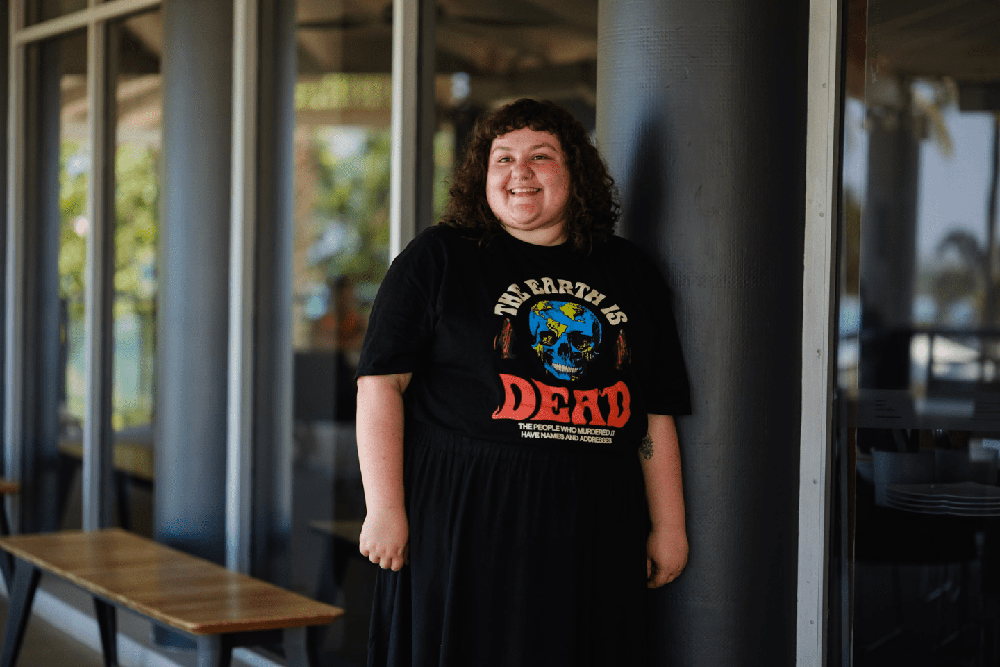
Skye Cusack is a Dulgubarra Yidinji writer, journalist and accidental comedian living in Naarm (Melbourne). Skye shares stories that make you laugh, cry, and call your therapist. Common themes in her writing include mental health, disability, fatphobia, existential Blak crises, and people generally making fools of themselves. Skye is publishing two fiction novels in 2027: Queer romantic comedy Checked Out with Penguin Random House Australia and New Adult novel The Dangers of Just One Person with Magabala Books.
Project title: Horror-fantasy novel ‘Broken Up’
Broken Up is a horror-fantasy novel exploring cycles of domestic abuse through the repeated deaths of Sydney at the hands of her boyfriend. Drawing on her experiences as a First Nations survivor of domestic violence, the story uses psychological horror to represent patterns of violence, forgiveness, and survival. With influences like Stephen King, Our Infinite Fates, and Sweet Pea, this project contributes to First Nations horror (a genre with few existing works) and the national conversation about domestic abuse.
Skye aims to complete the manuscript during an alumni residency at Varuna and further time off, supported by wage subsidy. She would use her annual leave, but as a Disabled and chronically ill person, she uses much of her annual leave and chronic illness leave as sick leave.
2025 Fund recipients
Beau Windon, VIC

Photo: Matt Houston
Project Title: ‘Jax Paperweight and the Neon Starway’
The First Nations Arts and d/Deaf and/or Disabilities Project Fund will support the development of ‘Jax Paperweight and the Neon Starway’, a Middle Grade comedic adventure novel about a young, neurodivergent, Koori boy, Bailey Wailson, and his quest to save his school crush from a mischievous reality hopping rogue named, Jax Paperweight. With the help of some wise talking native animals, Bailey must traverse the ‘Everywhen’ and stop Jax from trapping his school crush in the ‘Lush Nothing’ forever.
This project provides some fun representation from an #OwnVoices perspective of a Koori neurodivergent boy. It utilises Beau Windon’s own social and cultural experiences in primary school and places them in a fun-to-read fantastical comedic world, with the hope of it being a book that can draw in lapsed/non-reading children with similar marginalisations.
Artist
Beau Windon is a neurodivergent writer of Wiradjuri heritage that flirts with all genres of creative writing. He was shortlisted in three categories for the 2022 Lord Mayor’s Creative Writing Awards: winning the Self-Told Stories by Writers Living with Disability category and coming runner-up for Indigenous Life Stories. In 2023, Beau was a winner of Griffith Review’s Emerging Voices competition and in 2024 he was a finalist for the Writers Prize in the Melbourne Prize for Literature. He is currently undertaking his PhD in the aesthetic form of neurodivergent literary memoir.
Darwin Aboriginal Art Fair Foundation, NT

Banumbirr Dancers from Elcho Island, Darwin Aboriginal Art Fair, 2024. Photo by Leicolhn McKellar
Project Title: Darwin Aboriginal Art Fair Foundation: Disability Access and Inclusion Event Improvements
The First Nations Arts and d/Deaf and/or Disabilities Project Fund will support Darwin Aboriginal Art Fair Foundation (DAAFF) to implement accessibility in the following events, Darwin Aboriginal Art Fair (DAAF), Country to Couture, National Indigenous Fashion Awards (NIFA). This will include AUSLAN interpreters, closed captioning on all pre-recorded video content, improvements on existing quiet, low-sensory hour at the Darwin Aboriginal Art Fair, and create a role for a dedicated volunteer with experience in disability to support artists, arts workers, and guests at events.
Organisation Bio
The Darwin Aboriginal Art Fair (DAAF) Foundation is a national non-profit organisation dedicated to celebrating the cultural and artistic diversity of Aboriginal and Torres Strait Islander artists and designers. DAAF Foundation provides platforms for First Nations visual art, craft, design, music, and performance through various events, including the Darwin Aboriginal Art Fair (DAAF), Country to Couture fashion shows, and the National Indigenous Fashion Awards (NIFA). These events have garnered a reputation for innovation, diversity, and cultural integrity, helping to promote Indigenous Art Centres, artists, and designers on both national and international scales.
By providing an annual schedule of renowned events, programs, and activities in Garramilla (Darwin) alongside runway and popup events nationally and internationally, the DAAF Foundation supports the creative, business, and cultural aspirations of Aboriginal and Torres Strait Islander artists and designers. DAAF Foundation provides direct links to integral networks, stakeholders, funders, buyers, and more for all Aboriginal and Torres Strait Islander artists participating in our events.
Desart, NT

Rona Rubuntja of Hermannsburg Potters, Ntaria, NT presenting at the Desert Mob 2023 Artist Talks. Photo: Rhett Hammerton. Courtesy of Desart
Project Title: Desert Mob 2025 - AUSLAN interpreters
The First Nations Arts and d/Deaf and/or Disabilities Project Fund will support the engagement of an AUSLAN service to provide interpreting for artists who are deaf/Deaf at the Desert Mob 2025.
Organisation Bio
Desart is the peak arts body providing resources, support and advocacy for over thirty-member Central Australian Aboriginal owned and governed art centres across the remote desert communities of the Northern Territory, South Australia and Western Australia, and is committed to supporting their continuing autonomy, sustained growth and stability.
A key part of Desart’s work is the presenting of Desert Mob, the second oldest Aboriginal arts festival in Australia. Desert Mob brings together hundreds of First Nations artists from art centres and communities to Mparntwe/Alice Springs every September. Desert Mob features a renowned program of major exhibition, artist talks, presentations, performances and films, market, workshops and satellite events, attracting thousands of attendees. Desart’s mission in programming is always the enhancing and privileging of First Nation’s artist voices. Priding itself on the hundreds of artists, many with accessibility needs, who attend and participate in the event each year, accessibility is a critical consideration of Desert Mob.
Fay Mason, VIC

Photo: Fay Mason
Project Title: paywootta
The First Nations Arts and d/Deaf and/or Disabilities Project Fund will support the project called ‘paywootta’, which is about those who come before us and their stories of survival and joy and loss, it aims to encapsulate an Elder’s life, their living story within a piece of artwork that is a woven shawl made with hand dyed yarn with fibres linked to their country.
Artist Bio
Fay Mason is a proud Palawa (TAS) person who grew up in Bunarong/Boon Wurrung country (South-east Victoria) and has strong ties to the community of that country. Fay identifies as a disabled Deaf and Blind Aboriginal person who is closely intertwined within their art practice of carrying political messages as their existence is inherently political.
Fay has delivered many commissions for various people, artists, events, and private practice that can be seen via their social media, and they work closely with Kayla Cartledge behind Our Songlines with workshops and access for Our Songlines events.
First Storytellers Collective, QLD

Project Title: Cultural Coconut Tree Weaving & Traditional Woodworking Workshops for First Nations Artists
The First Nations Arts and d/Deaf and/or Disabilities Project Fund will support the delivery of targeted First Nations people with disabilities hands-on workshops in cultural coconut tree weaving and traditional woodworking, led by Aboriginal and Torres Strait Islander artists Wasada Gutchen and James De Busch. These workshops will provide an inclusive space for participants prioritising accessibility, offering adaptive tools, support workers, and sign language interpreters to ensure full participation for artists to connect with their cultural heritage, learn traditional crafts, enhance their artistic skills. These workshops will run over 6 months, fostering skill development and cultural pride.
Organisation bio
First Storytellers Collective is a proud First Nations-led arts charity based in Queensland. The collective is dedicated to sharing culture through bold storytelling, theatre, creative development, and community engagement. The collective centres Aboriginal and Torres Strait Islander voices across early childhood programs, youth justice projects, education, and performance work.
First Storytellers Collective's projects celebrate the strength and diversity of First Nations stories and knowledge systems, with a commitment to cultural integrity, accessibility, and community connection. They work in collaboration with mob, artists, educators, and organisations across the state to create meaningful, culturally safe experiences that empower and uplift.
Jamie Garlett, WA

Photo: Kym Redmond
Project Title: Jamie Garlett "The Blind musician"
The First Nations Arts and d/Deaf and/or Disabilities Project Fund will support the pre-production planning, professional studio recordings, and collaboration with skilled musicians and producers. The outcome will be a professionally produced album that reflects Jamie's personal journey and cultural roots, distributed through streaming platforms and physical CDs. This project will not only showcase Jamie's musical talents but also serve as an inspiration to both First Nations and disability communities.
Artist Bio
Jamie is a dedicated father of five and a community Elder who is a musician and songwriter that incorporates his Noongar language into his music. Jamie’s aims to inspire First Nations and disability communities through a blend of traditional and contemporary influences. Jamie has been featured in the Empower Reel (APM) and ABC Interview. He has been recognized by the Moorditj Koort Aboriginal Corporation for cultural heritage and has received the Dream It Forward Grant and was a finalist in Empowerment Reel (APM) and Wheatbelt Has Talent.
Joanna Agius, VIC

Photo: Joanna Agius
Project Title: Narungga Cultural Experience: Flow Festival 2025 Celebrate Deaf Aboriginal Culture and Storytelling
The First Nations Arts and d/Deaf and/or Disabilities Project Fund will support the Narungga Cultural Experience, an immersive project celebrating the stories, language, and resilience of the Narungga mob and Deaf Aboriginal community at the Flow Festival 2025. Led by Joanna Agius, supported by Deaf Aboriginal Services, Flow Festival, and Jacob Boehme, it features interactive storytelling, tactile elements, and Auslan performances. The project promotes inclusivity, cultural respect, and understanding, while breaking down barriers for Deaf and Deaf-Blind communities.
Artist Bio
Joanna Agius’s artistic practice combines Deaf culture, First Nations heritage, and accessibility, focusing on immersive experiences that highlight Deaf Aboriginal stories. Joanna directed the Flow Festival Australia (2021-2023) and is currently developing the Narungga Cultural Experience for Flow Festival 2025, featuring storytelling and Auslan performances. Joanna also advocates for representation in the arts and facilitate workshops to inspire cultural pride.
Joshua Button, WA

Photo: Carolina Furque
Project Title: The Buttonverse Expansion
The First Nations Arts and d/Deaf and/or Disabilities Project Fund will support the creative development of ‘The Buttonverse Expansion’ a parallel and imaginary multiverse where all Joshua Button’s alter egos lives and interact in a space of healing, forgiveness and becoming better, a universe where one can conjure the past, the present and desires for the future.
Joshua will collaborate and be mentored by multimedia artist Bernadette Trench-Thiedeman to create more characters, (art works on paper), further develop the script and undertake training in animation to produce a one/two-minute pilot. The ‘Buttonverse Expansion’ is an expansion of Joshua’s art skills.
Artist Bio
Joshua Button is an artist, writer, and illustrator from Broome, Western Australia, and a member of the Walmajari People. Joshua has published three children’s books with Magabala Books: Joshua and the Crabs (2010), Steve Goes to Carnival (2016), and At the Zoo I See (2017).
Joshua’s second book, Steve Goes to Carnival was co-authored with Robyn Wells, won the White Raven Award in 2016 and is published in the USA. Joshua has collaborated with Aboriginal graphic novelist Brenton McKenna and developed storytelling skills with the Centre for Stories in Perth. Recently. Joshua received funding for projects on his family history, Tracking Kanyngnarri and Button, and my new adventure, The Buttonverse.
Michelle Hyde, ACT

Photo: Michelle Hyde
Project Title: Writing Grace - Story Sovereignty and Voice
The First Nations Arts and d/Deaf and/or Disabilities Project Fund will support the completion of a novel, ‘Grace’, and self- residency on Country (Tamworth), consultations with Elders and Cultural lived-experience knowledge-holders and residency at Varuna, the Writers House, for writing time.
The project will benefit Michelle Hyde, as a woman of First Nations (Gamilaraay) descent, who lives with Disability, the larger First Nations community, and wider communities, with and without Disability.
Artist Bio
Michelle Hyde is a communicator, speaker, coach, writer, editor and author of Gamilaraay (Tamworth, NSW) descent. She engages with community and culture in many ways including via learning and practicing language and in the creative writing field. Michelle is an active member of the First Nations Australia Writing Network (FNAWN) and Us Mob Writers (ACT) as well as MARION Writers (ACT). Michelle is a member of the MARION Writers Board.
Michelle is a proud inaugural recipient of the FNAWN Varuna Residency Fellowship (2024), longlisted for the Richell Prize 2024 and a recipient of a 2025 Writers Space Residential Fellowship at Varuna the Writers House, as well as Magabala Discretionary Professional Development Funding 2025.
Michelle strives to always ensure that her practice and work is culturally responsive and safe. Michelle is a person with Disability and a disability and neurodiversity advocate, who is an active member of People with Disability Australia (PwDA) and was a member of the PwDA Board in 2022-2023.
Michelle’s writing engages with themes related to inclusion and diversity and tackles questions of story sovereignty – who has the right to tell a story, and what does this mean?
Michelle believes that storytelling is connecting, and connecting is healing.
Ngaruwanajirri Incorporated. NT

Artists: Lillian Kerinaiua, Gordon Pupangamirri, Ken Wayne Kantilla, Marie Yvonne Tipuamantumirri, Alphonso Puautjimi Jnr. Courtesy Ngaruwanajirri Arts Centre
Project Title: 2025 Darwin Aboriginal Art Fair and exhibitions travel support
The First Nations Arts and d/Deaf and/or Disabilities Project Fund will support travel and accommodation for Ngaruwanajirri Art Centre artists with disability to attend their men’s and women’s exhibition and participate in the Darwin Aboriginal Art Fair (DAAF).
Organisation Bio
Ngaruwanajirri Incorporated is an Aboriginal Art Centre in Wurrumiyanga on the Tiwi Islands, Northern Territory. Since 1994 Ngaruwanajirri has supported Tiwi people with disabilities to make jilamara (Tiwi art).
Working from the historic, heritage listed Keeping Place Ngaruwanajirri’s artists and carvers maintain and develop Tiwi cultural practices through their artmaking using locally sourced ochres on canvas, paper and stringybark and on ironwood carvings. Other mediums embraced by the artists include batik on silk and block prints.
The artists connect with Tiwi culture and arts practices with subject matter drawn from Tiwi culture, animal life on the islands and include quirky wood carvings, notably Tiwi ancestor figures, pukumani tutini (burial poles) as well as tokwampini (birds) which are central to Tiwi stories.
Many artists are represented in collections in museums and galleries across Australia and have been selected for major awards including in 2024 and 2025 Telstra NATSIAA.
Saltwater Freshwater Arts Alliance Aboriginal Corporation, NSW

Saltwater Freshwater Festival, Smoking Ceremony. Photo: And The Trees Photography
Project Title: Expression Unbound: Digital & Traditional Art for Empowerment
The First Nations Arts and d/Deaf and/or Disabilities Project Fund will support a pilot project of four-sessions of art therapy initiatives designed for up to 5 First Nations artists with disability to explore self-expression and well-being through both traditional and digital art. Using Wacom tablets, styluses, and traditional materials, participants will create artworks that culminate in a professional exhibition at The Gallery of Saltwater Freshwater Arts Alliance.
This initiative integrates psychological interventions, technological accessibility, and community-driven collaboration to ensure that the voices of artists with disabilities are heard and celebrated. This project merges therapy, technology, advocacy, and artistic innovation to ensure that every artist, regardless of ability, can create, heal, and inspire.
Org Bio
Saltwater Freshwater Arts Alliance is an Aboriginal-owned and led nonprofit dedicated to strengthening culture and community on the Mid North Coast of New South Wales. Representing the Worimi, Biripi, Dunghutti, and Gumbaynggirr nations (NSW), it supports Aboriginal artists and encourages intergenerational knowledge sharing.
The annual Saltwater Freshwater Festival is a key event, celebrating Aboriginal culture with music, dance, and art. The organisation also features The Gallery in Coffs Harbour for artists, the biennial Saltwater Freshwater Aboriginal Art Award, and the National Aboriginal Design Agency (NADA), which promotes sustainable Aboriginal design practices.
Sethy Willie, QLD

Photo: Caitlin Murphy
Project Title: Aunt Martha’s Calling
The First Nations Arts and d/Deaf and/or Disabilities Project Fund will support the creative development and production of a social media video series in the style of voicemails left by ‘Aunt Martha’, a fictional character inspired by Sethy Willie’s late Nan. In 12 short videos (2-3 minutes long), the series will explore themes around everyday issues that a fictional small country town faces. The series aims to share some unique insights, knowledge, and perspectives that an aunt knows all too well. Using a blend of wisdom and humour, the series will explore some serious issues while aiming to leave the audience with an uplifting, feel-good message. The series will be published under a new social media business account called Voice Threads.
Artist’s Bio
Sethy is a proud Wiradjuri and Ni-Vanuatu woman born in Dubbo, NSW, raised on Wiradjuri Country and now living in Magandjin (Brisbane), Queensland. Sethy grew up surrounded by inspiring and comical storytellers in her community. Nanima Mission (NSW), or ‘The Mish’ as Sethy calls it, is where she developed an array of unique character voices by working on imitating those around her.
Sethy graduated from the Australian Film, Television and Radio School, where she studied professional sound recording in Film, Television, and Radio. Sethy worked as a voiceover artist on creative and corporate projects, from ads and educational content to animated projects. Sethy is known for her quirky characters, specializing in vibrant tapestry voices, with her natural ability to adapt, perform on cue, and improvise. Sethy admits that she is a big kid who always brings dynamic energy to each performance.
Tracy Gray, NSW

Photo: Tracy Gray
Project Title: 'Elder's Love' - Tracy Gray and Daughters
The First Nations Arts and d/Deaf and/or Disabilities Project Fund will support Tracy Lee Gray’s new work with her two daughters and a music producer to record 3 original country blue and rock songs; her daughters will record 2 cover songs. Songs will be published online to create interest from wider audiences.
Artist’s Bio
Tracy Gray grew up Coonabarabran, singing in church at 8 years old and her idol was Aunty Linda Walker who mentored her in singing country blues and rock music.
In 1980, Tracy won the Aboriginal Country Music Talent Quest at the Tamworth Country Music Festival. Her prize was a recording contract and tour singing on the Brian Young (Youngie) Show taking country music along with other entertainers to the cities and towns of the Australian Outback. Tracy’s recorded songs were published in the Koori Classics, and included 'Clicketty Clack', 'Streets of Tamworth', 'I'm Not Your Jukebox' and 'Use to be a Gold Song'.
Tracy has worked with Buddy Knox, John English, Casey Chambers, Auriel Andrews, Jimmy Little, Vic Simms, Bobby McLeod, Christine Anu, and Johnny Green's Blues Cowboys.
Frequently Asked Questions (FAQs)
How many times can I apply?
You can only make one application for each funding round. This means you can apply for other Creative Australia funding rounds at the same time if they are open.
You can check what other rounds are currently open via this link: Investment and development.
If I have an overdue grant report (acquittal), am I still able to apply?
You will still have time to complete and submit your grant report before the closing date of the round. If you have an overdue grant report at the time of the pre-eligibility check, you will not be eligible to apply for any further grants at Creative Australia.
What is the difference between a ‘group’ and an ‘organisation’?
We define a ‘group’ as two or more individuals who do not form a legally constituted organisation. This can include co-collaborators and collectives.
An ‘organisation’ is a legally constituted organisation that is registered or created by law. For example, incorporated associations, companies limited by guarantee or government statutory authorities are all defined as organisations.
Organisations that are not legally constituted are not eligible to apply for funding in grant categories that are open to organisations only. Organisations may be required to provide a certificate of incorporation or evidence of their current legal status. Funding programs for organisations are not intended for sole traders or partnerships.
Can I have my grant auspiced?
Yes. Having your grant ‘auspiced’ or ‘administered’ means that you are nominating another person or entity to receive the grant funds on your behalf.
You must decide when applying whether you want your grant to be administered. If your application is successful and you change your mind, we can only change these arrangements in exceptional circumstances.
Whether or not your grant will be administered is not part of the First Nations Industry Advisors’ considerations. You do not need to provide a letter of confirmation from the entity that will administer your grant.
Do you fund short films, feature films, documentaries or television?
While we can support screen-based art, we do not generally support activities associated with short and feature films, television, or documentaries. Please contact your state Screen organisation or Screen Australia, the Federal Government’s primary agency for the production of Australian screen activity.
Do you fund study?
Applications that focus solely on academic studies or are for activities that are part of assessable coursework are unlikely to be successful with our assessment panels. Assessment panels are also unlikely to support applications requesting the costs of academic fees or courses.
If you wish to apply for study costs, explain to the panel how your project extends, or supplements, the course’s standard curriculum requirements. Also, bear in mind that your project will be assessed on the artistic merit of the work.
If you are applying for an art project grant for funding to complete a training program, course, workshop, or diploma, explain how doing so will impact positively on your career or practice.
Can I submit my application after the closing date and time?
No, you must submit your application by the closing date stated in the Guidelines, Tuesday 13 October 2026 at 3pm (AEDT).
Administrative and technical support is only available during office hours (Monday-Friday) 9:00am to 5:00pm AEDT.
What if my project starts before the starting project date?
First Nations Arts and d/Deaf and Disability Project Fund can commence on or after 1 July 2026 and must be completed within 2 years from your proposed start date.
Creative Australia does not fund activities retrospectively. You may work on your project before then but make it clear in your application that you are not seeking funding support for any stage of the project occurring before 1 July 2026.
Do I have to confirm creatives, partnerships, in-kind support, and venues?
It is best to confirm creative artists or collaborations, partnerships, sources of cash or in-kind, or venue at the time that you apply.
If there are too many unconfirmed elements of your proposal, the assessors may question its viability.
How much detail do I need to add to my activity timeline and budget income and expenses?
The activities timeline and budget are an opportunity to show how well you’ve planned your project. Complete these as thoroughly as you can to show the assessors that your project is organised, well-planned, and viable.
Break your budget down, so that assessors can evaluate how realistic your budgeting is. Present large budget items in multiple lines and talk about the description next to each dollar ($) amount item.
Show each major project stage and milestone in your Project Timetable. This allows assessors to see how you plan to work and evaluate how achievable your objectives are.
What costs can I include in my budget?
Any costs that can be directly related to the project you are proposing are eligible. They may include artist fees, venue hire, consultation fees, childcare costs, travel costs, and costs associated with providing access for people with disability can all be included if they are directly related to your project.
Can I pay myself as an artist?
Creative Australia expects to see artists paid for their work. There is no need to cut back on these expenses or forgo your own fees. We can’t tell you what rate of pay to use. You should consult the relevant representative association for guidance on this question. Whatever rate you use, be clear about how you have calculated your figures, and what rate of pay you are using, and refer to any standards or industry rates in your application.
What happens to my online application after I have submitted it?
You will receive an ‘Acknowledgement of submission’ email from us acknowledging our receipt of your online application. You should keep a copy of this email as proof of your submission.
There will be no further communication from us until a decision has been made on your application. We aim to notify you of the outcome of your application no later than 12 weeks after the published closing date for the grant round.
Who will be assessing my application?
All applications that are submitted to the First Nations Arts and Culture Strategic Funding will be assessed by a First Nations Panel.
The First Nations Industry Advisors are contacted to participate in the First Nations Panel for First Nations Arts and Culture Strategic Funding Arts. These First Nations Industry Advisors have experience and experience on specific art forms and provide a breadth of knowledge in those art form sectors. Some Industry Advisors can be the previous recipients of past funding rounds.
The First Nations Panel will assess your application on their Assessment Criteria of Project Quality, Project Impact, and Project Viability.
If I am successful, when will I receive the grant payment?
You will receive your grant payment within two weeks of accepting your funding agreement.
If I am successful will this funding impact my Centrelink payment?
Grants may be considered part of your income in a financial year and may be subject to tax. You must determine your taxation liabilities. We suggest you consult your financial adviser or contact the Australian Taxation Office.
If my application is unsuccessful, can I request feedback?
Yes, if you have been notified that your application was unsuccessful, you can request feedback on your application.

We acknowledge the many Traditional Custodians of Country throughout Australia and honour their Elders past and present.
We respect their deep enduring connection to their lands, waterways, and surrounding clan groups since time immemorial. We cherish the richness of First Nations peoples’ artistic and cultural expressions. We are privileged to gather on this Country and to share knowledge, culture and art, now and with future generations.
